SHRI SHIVAJI SCIENCE COLLEGE, AMRAVATI
DBT STAR COLLEGE PROJECT ACTIVITY
ACTIVITY REPORT

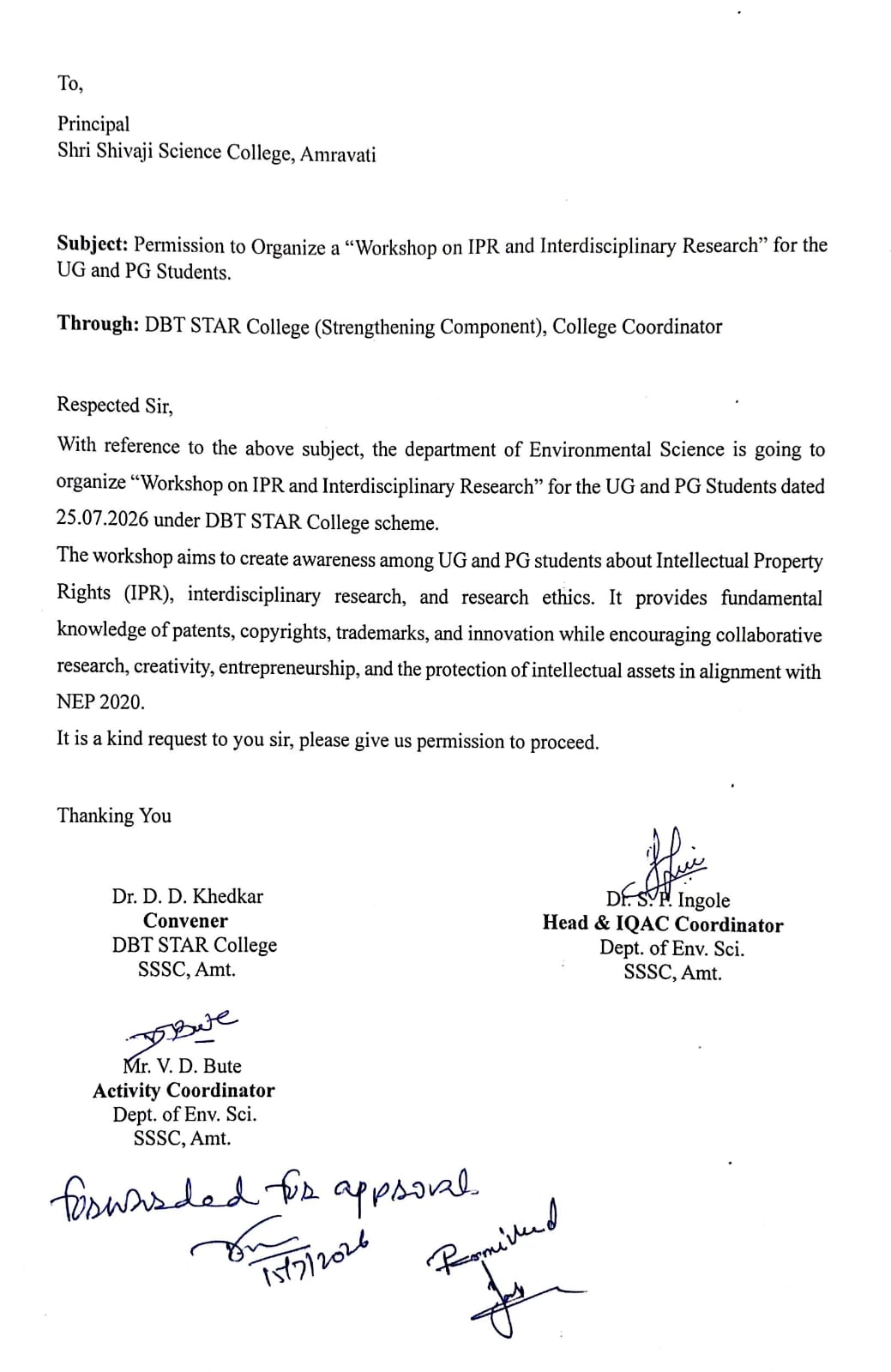
Workshop on IPR and Interdisciplinary Research
Activity Dates: 25/07/2026
Type of Activity: Students Workshop
Organizing Department: Department of Environmental Science
Program Coordinators: Mr. V. D. Bute
Head of the Department: Dr. S. P. Ingole
External Collaborator (if any): Technominds IP Solutions
Objectives:
- • To create awareness about Intellectual Property Rights (IPR) and their importance in academic, scientific, and research activities.
- • To familiarize students with different forms of IPR, including patents, copyrights, trademarks, geographical indications, and industrial designs.
- • To develop understanding of the patenting process, including identification of novel ideas, patentability criteria, and basic patent filing procedures.
- • To promote interdisciplinary research by encouraging collaboration among different disciplines for solving complex environmental and societal problems.
- • To encourage innovation and entrepreneurship among students by helping them identify, protect, and commercialize innovative research ideas.
No of Beneficieries: 102
Classes Involved: UG Students of Life Science Dept.
Venue of the Activity: A. V. Theater
Activity Report:
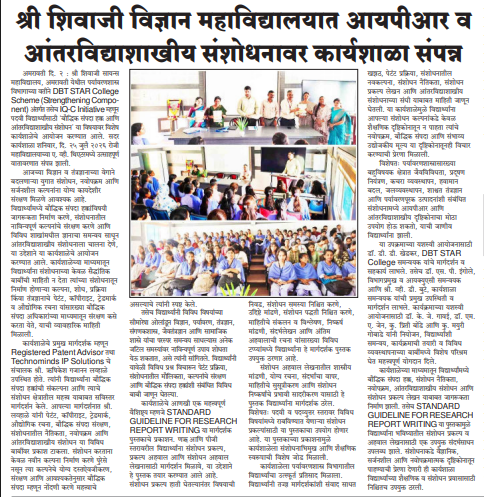
The Department of Environmental Science, Shri Shivaji Science College, Amravati, organized a special workshop on “Intellectual Property Rights (IPR) and Interdisciplinary Research” for undergraduate students on Saturday, 25 July 2026, at the A. V. Theatre, Shri Shivaji Science College, Amravati. The workshop was organized under the DBT STAR College Scheme (Strengthening Component) and as an IQAC Initiative of the college. The programme was conducted in an enthusiastic and academically enriching environment with the active participation of students and faculty members from the Life Sciences Department.
In the present era of rapid scientific and technological advancement, research, innovation, creativity, and knowledge generation have acquired significant importance in higher education. At the same time, the protection of innovative ideas, inventions, research findings, technologies, designs, and other intellectual creations through appropriate legal mechanisms has become increasingly important. Students involved in academic projects and research activities need to understand the significance of Intellectual Property Rights and the ways in which their original ideas and innovations can be protected and appropriately utilized. Keeping this in view, the workshop was organized to create awareness among students about IPR, encourage protection of innovative research ideas, promote interdisciplinary thinking, and provide practical exposure to various aspects of intellectual property and research.
The workshop was conducted under the expert guidance of Shri Rushikesh Gajanan Lavhale, Registered Patent Advisor and Director, Technominds IP Solutions. He provided students with detailed and practical information regarding the concept, scope, importance, and application of Intellectual Property Rights in academic and research activities. During his session, he explained various forms of intellectual property, particularly patents, copyrights, trademarks, and industrial designs, and highlighted their relevance to scientific research, innovation, technology development, and entrepreneurship.
Shri Lavhale emphasized that merely generating a new idea is not sufficient in the research process. Proper documentation, assessment of originality and novelty, protection of the intellectual creation, and appropriate registration are equally important. He explained that students engaged in academic research, innovative experiments, product development, environmental solutions, software development, and other creative activities may generate ideas having potential intellectual property value. Therefore, students should develop the habit of identifying innovative components of their research and documenting them systematically.
The resource person provided an overview of the patent system and explained the importance of originality and novelty in protecting an invention. He discussed how a new invention or technological development can be considered for intellectual property protection and highlighted the importance of proper documentation before disclosure of an innovative idea. The students were also introduced to the basic concept of copyright protection for literary, artistic, academic, software, and other creative works. Similarly, the significance of trademarks in establishing the identity of products and services and the role of industrial designs in protecting the distinctive visual appearance of products were explained.
A significant part of the session focused on research ethics, originality, and responsible research practices. The resource person emphasized that researchers must maintain originality in their work, appropriately acknowledge the contributions of other researchers, avoid plagiarism, provide proper references and citations, and maintain accurate research records. Students were informed that originality is important not only for academic quality and publication but also from the perspective of intellectual property protection. Proper documentation of research ideas, methodologies, observations, experimental results, and innovations can play an important role in establishing the development and originality of research work.
The workshop also gave considerable emphasis to the concept of interdisciplinary research. It was explained that many contemporary scientific, environmental, technological, and social problems are complex and cannot be effectively addressed through a single academic discipline. Therefore, integration of knowledge, skills, technologies, and methodologies from different disciplines is essential for developing innovative and practical solutions. Students were encouraged to move beyond conventional disciplinary boundaries and explore opportunities for collaboration among areas such as Environmental Science, Biology, Chemistry, Biotechnology, Computer Science, Information Technology, Engineering, Data Science, and Social Sciences.
The importance of interdisciplinary research is particularly relevant to Environmental Science because environmental problems are inherently complex and interconnected. Issues such as climate change, biodiversity conservation, air pollution, water pollution, solid waste management, natural resource conservation, environmental monitoring, and sustainable development require knowledge from multiple disciplines. For instance, environmental monitoring can be strengthened by integrating Environmental Science with sensor technology, Internet of Things (IoT), Artificial Intelligence, Geographic Information Systems (GIS), and data analytics. Similarly, innovative solutions in waste management, bioremediation, environmental biotechnology, sustainable products, and pollution control can be developed through collaboration among Environmental Science, Biotechnology, Chemistry, Engineering, Computer Science, and Social Sciences.
The interactive session was one of the important components of the workshop. Students actively interacted with the resource person and raised questions related to patent procedures, originality of research ideas, protection of innovations, patentability, copyright, research ethics, documentation, and interdisciplinary research. Shri Lavhale addressed the queries of students and explained the concepts through practical examples. The interaction helped students understand that IPR is not restricted to industries or professional researchers but is also relevant to students undertaking academic research projects and innovative activities.
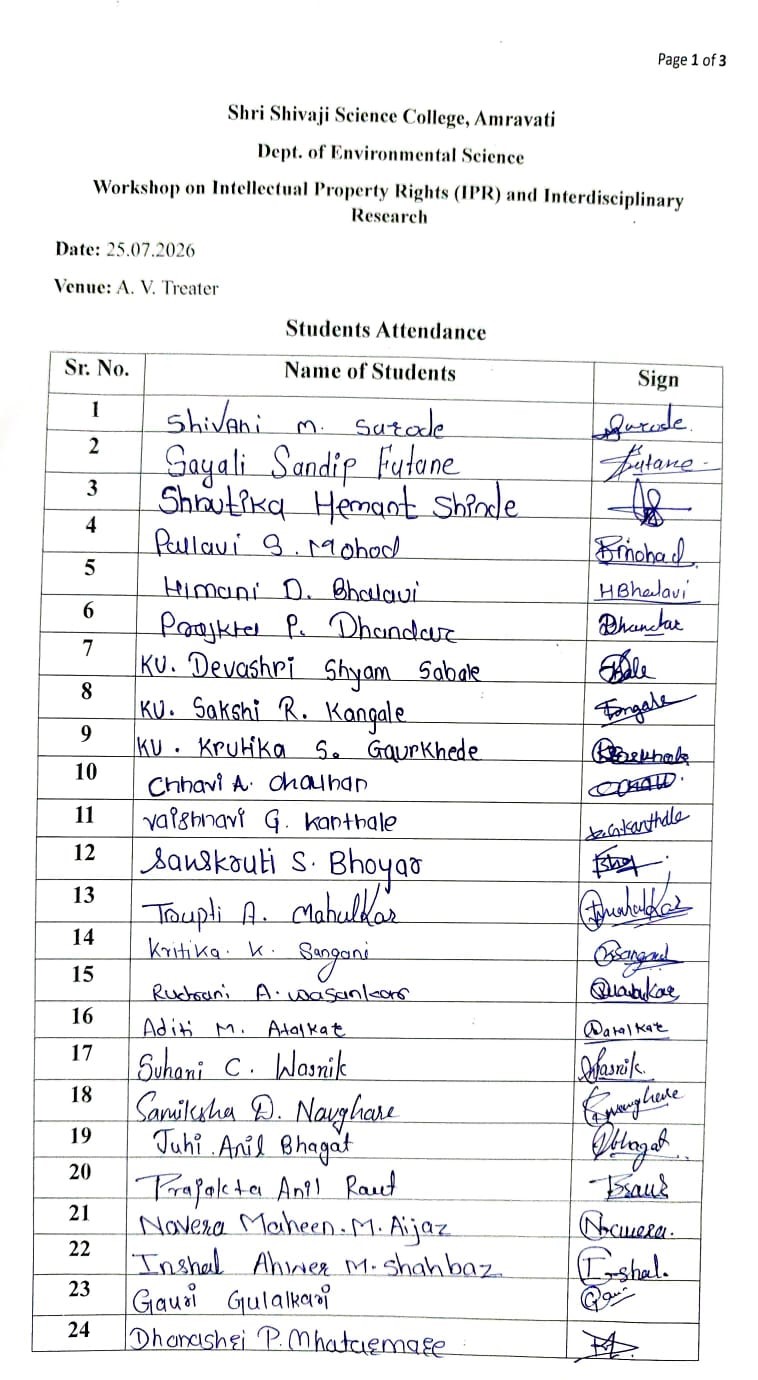
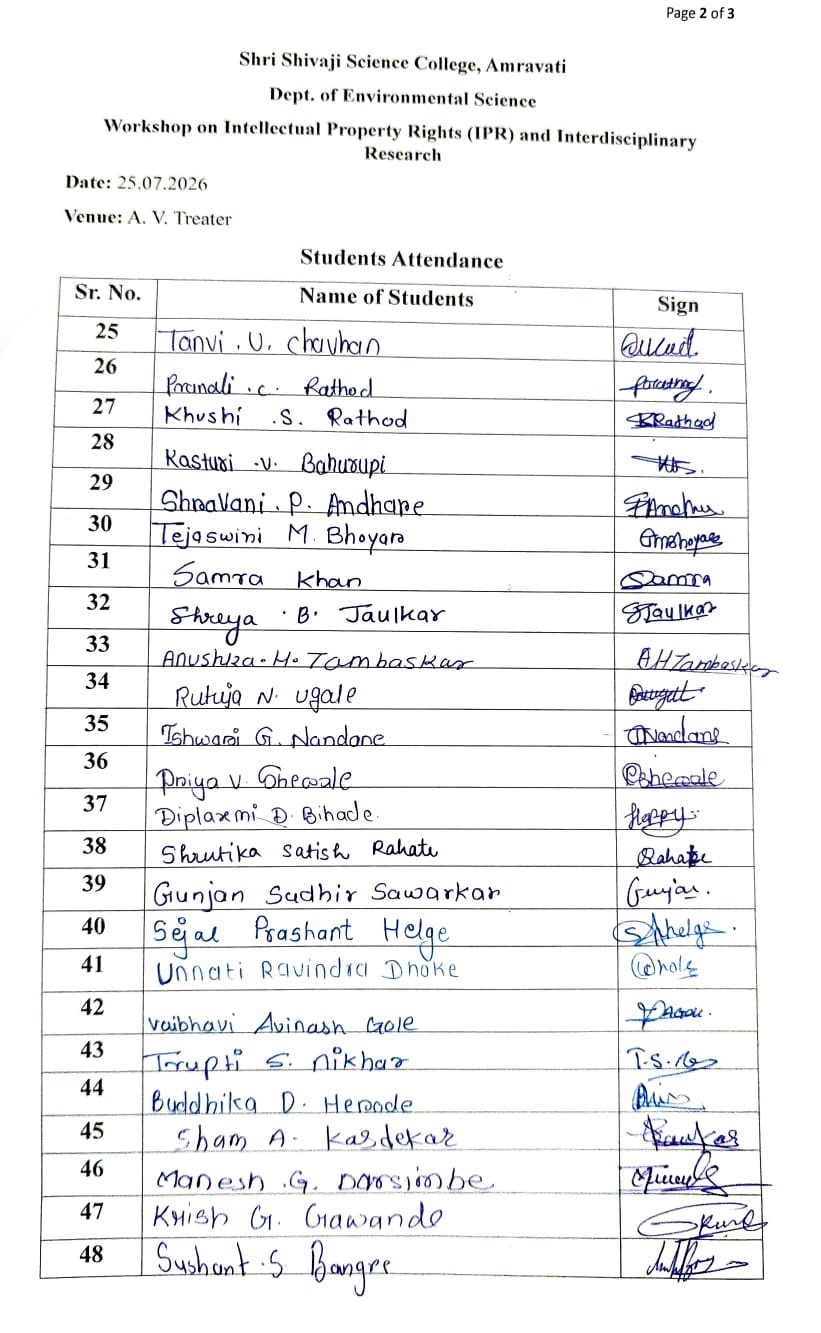
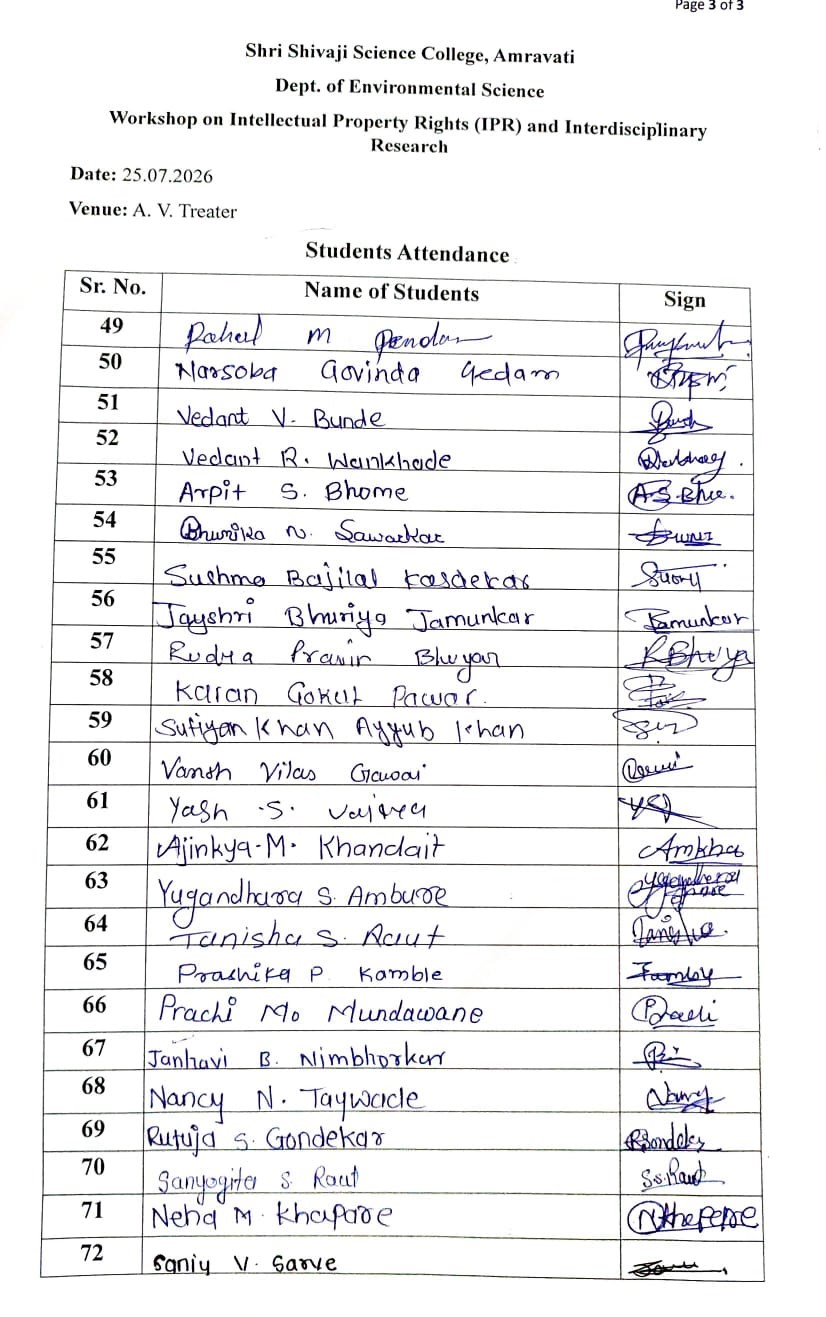
The workshop received an enthusiastic response from the Department of Life Sciences, with a total of 102 participants attending the programme. The participation of students reflected their keen interest in understanding Intellectual Property Rights, patent procedures, research originality, protection of innovative ideas, research ethics, interdisciplinary research opportunities, and scientific report writing. Students actively participated in the technical session and interacted with the expert resource person by raising questions related to patentability, originality of research ideas, intellectual property protection, documentation, and interdisciplinary approaches to research. The active participation and interaction of the students contributed significantly to the academic value and success of the workshop.
The participation of 102 students from the Life Sciences Department also highlighted the relevance of the workshop to students pursuing various areas of life sciences and related disciplines. The workshop provided them with an opportunity to understand how innovative research in areas such as biotechnology, environmental science, microbiology, zoology, botany and microbiology can be connected with intellectual property protection and interdisciplinary research. The programme encouraged students to recognize the potential of their academic and research activities for innovation, intellectual property development, and future entrepreneurial opportunities.
The workshop also highlighted the importance of viewing research from the perspective of innovation, intellectual property, and entrepreneurship. Students were encouraged to examine whether their research findings or project ideas could have practical applications or potential for further development. The session motivated students to think about how innovative ideas developed during academic projects can be transformed into useful products, technologies, processes, services, or solutions for environmental and societal problems. This approach encouraged students to consider research as not merely an academic exercise but also as a potential source of innovation and entrepreneurship.
Another significant feature of the workshop was the publication of the academic guidebook titled “STANDARD GUIDELINE FOR RESEARCH REPORT WRITING.” The guidebook has been prepared with the purpose of providing systematic guidance to UG and PG students undertaking research projects, academic projects, field studies, and research report writing. It is intended to serve as a useful reference resource for students during different stages of the research process.
The guidebook provides guidance on important components of research and research report preparation, including selection of a research topic, identification and formulation of a research problem, formulation of objectives, development of research methodology, collection of information and data, data analysis and interpretation, presentation of results, discussion, conclusion, referencing, citation, and overall organization of a research report. It also emphasizes scientific presentation, systematic organization of information, appropriate use of references, and effective communication of research findings.
The publication of “STANDARD GUIDELINE FOR RESEARCH REPORT WRITING” added a significant academic and research-oriented dimension to the workshop. The guidebook is expected to assist students in developing a systematic approach towards research project preparation and scientific report writing. It will be particularly useful for undergraduate and postgraduate students undertaking research projects across different disciplines. By providing structured guidance for preparing research reports, the publication is expected to support students in improving the quality, organization, and scientific presentation of their academic work.
The workshop also created awareness about the relevance of IPR in various areas of Environmental Science and Life Sciences. Students were encouraged to identify possible innovative research areas related to biodiversity conservation, pollution control, waste management, climate change, water quality management, environmental monitoring, sustainable technologies, renewable energy, bioremediation, biotechnology, and eco-friendly products. Such research areas have considerable scope for interdisciplinary collaboration as well as innovation and intellectual property development.
The programme was successfully conducted with the valuable guidance and support of Dr. D. D. Khedkar, DBT STAR College Coordinator. The workshop also received important guidance from Dr. S. P. Ingole, Head, Department of Environmental Science and IQAC Coordinator, and Shri V. D. Bute, Workshop Coordinator. Their guidance and support were instrumental in planning and successfully conducting the programme.
Dr. K. J. Gawai, Dr. M. A. Jane, Ms. Priti Bonde, and Ms. Mayuri Gobade made significant contributions towards the planning and execution of the workshop. They actively supported student coordination, programme preparation, organizational arrangements, and various management-related activities. The collective efforts of the faculty members contributed significantly to the smooth and successful conduct of the workshop.
The workshop provided students with valuable exposure to Intellectual Property Rights, research ethics, originality, innovation, interdisciplinary research, and scientific report writing. It encouraged students to approach their research projects from a broader perspective and to consider the scientific, practical, innovative, intellectual property, and entrepreneurial dimensions of their work. The expert interaction helped bridge the gap between theoretical understanding and practical application of IPR concepts.
The workshop also strengthened the research-oriented academic environment of the Department of Environmental Science. The combination of an expert session on IPR, discussion on interdisciplinary research, interactive student participation, and publication of a research report writing guidebook made the programme academically significant. It provided students with knowledge and motivation that can be useful for their future research projects, higher studies, innovation activities, and professional careers.
Overall, the Workshop on “Intellectual Property Rights (IPR) and Interdisciplinary Research” was a significant academic initiative aimed at developing awareness about intellectual property protection and promoting a culture of innovation and interdisciplinary research among undergraduate students. The programme successfully emphasized that modern research should not be limited to generating knowledge but should also focus on originality, ethical practices, innovation, protection of intellectual creations, practical applications, and societal relevance.
The workshop was particularly valuable for students of the Life Sciences because of the interdisciplinary nature of contemporary biological, environmental, and technological research and the increasing need for innovative and sustainable solutions. Through the workshop, students were encouraged to integrate knowledge from different disciplines and explore innovative approaches to scientific and environmental challenges. The publication of “STANDARD GUIDELINE FOR RESEARCH REPORT WRITING” further provided them with a useful academic reference for undertaking research projects and preparing scientific reports.
Thus, the workshop served as a meaningful platform for enhancing students’ awareness of Intellectual Property Rights, strengthening their research orientation, encouraging interdisciplinary thinking, promoting innovation and entrepreneurship, and improving their understanding of scientific research and report writing. With 102 participants from the Department of Life Sciences, the programme received a positive and enthusiastic response and contributed significantly towards creating a research-oriented, innovation-driven, and interdisciplinary learning environment at Shri Shivaji Science College, Amravati.
Outcomes:
- • IPR Awareness: Students understood patents, copyrights, trademarks, and industrial designs.
- • Patent Knowledge: Students gained basic knowledge of novelty, documentation, patentability, and patent protection.
- • Interdisciplinary Research: Students understood the importance of integrating knowledge from different disciplines for innovative solutions.
- • Research & Innovation: Students were encouraged to identify innovative ideas and explore their practical and entrepreneurial potential.
- • Research Report Writing: Students gained guidance on research planning, scientific writing, referencing, and report preparation through the published guideline.
Photos:
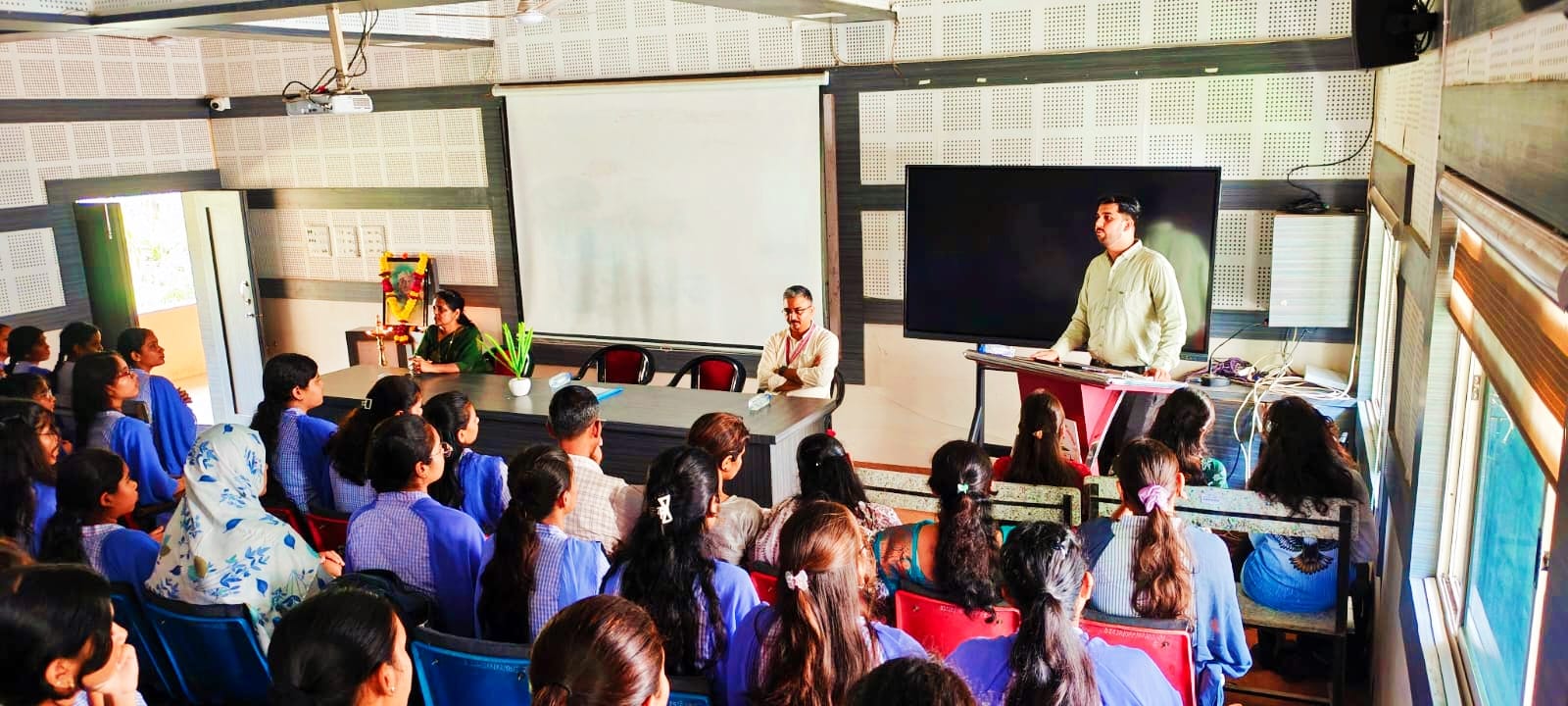 Mr. Rushikesh Lavale delivering lecture | 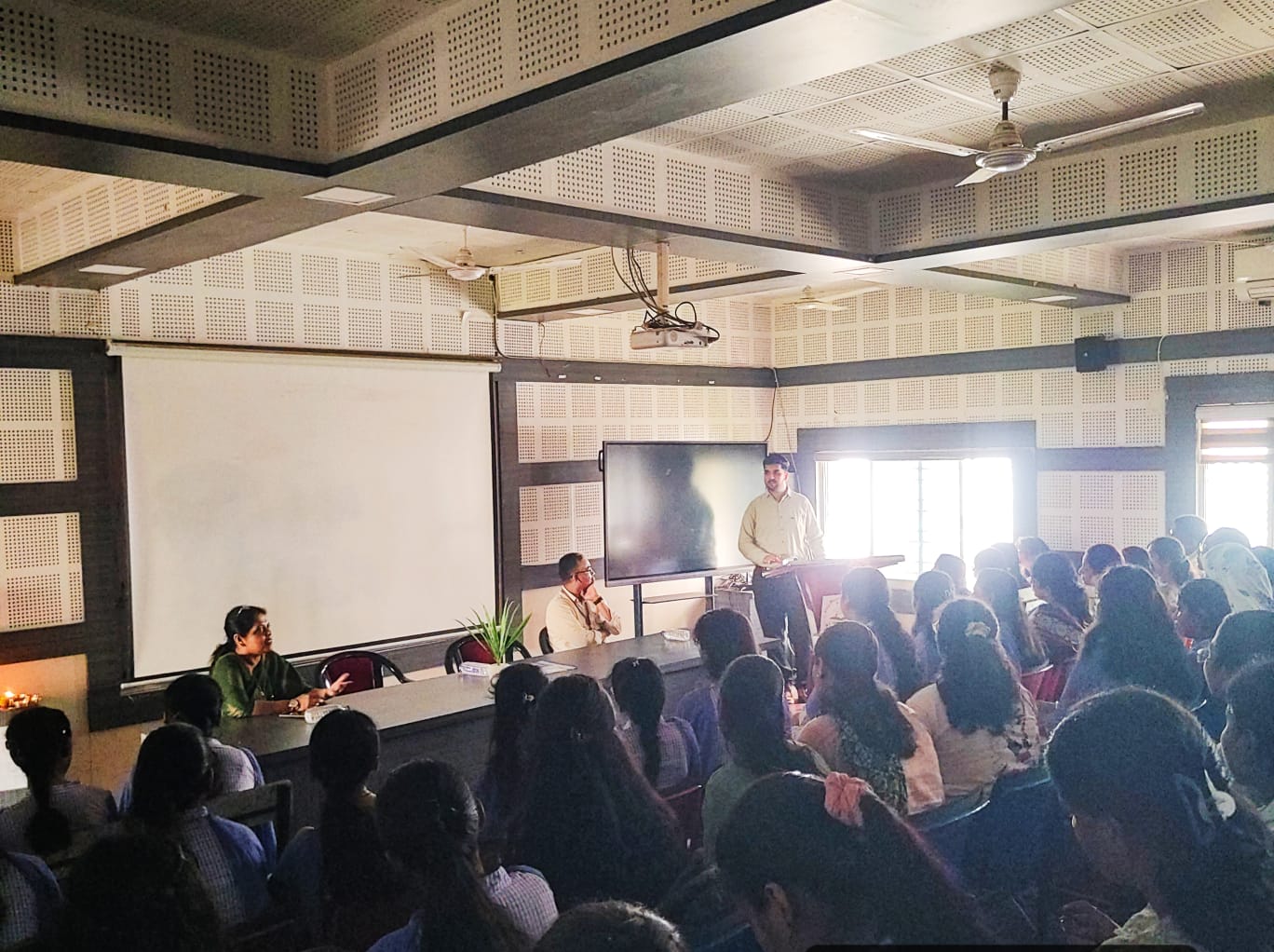 Mr. Rushikesh Lavale delivering lecture |
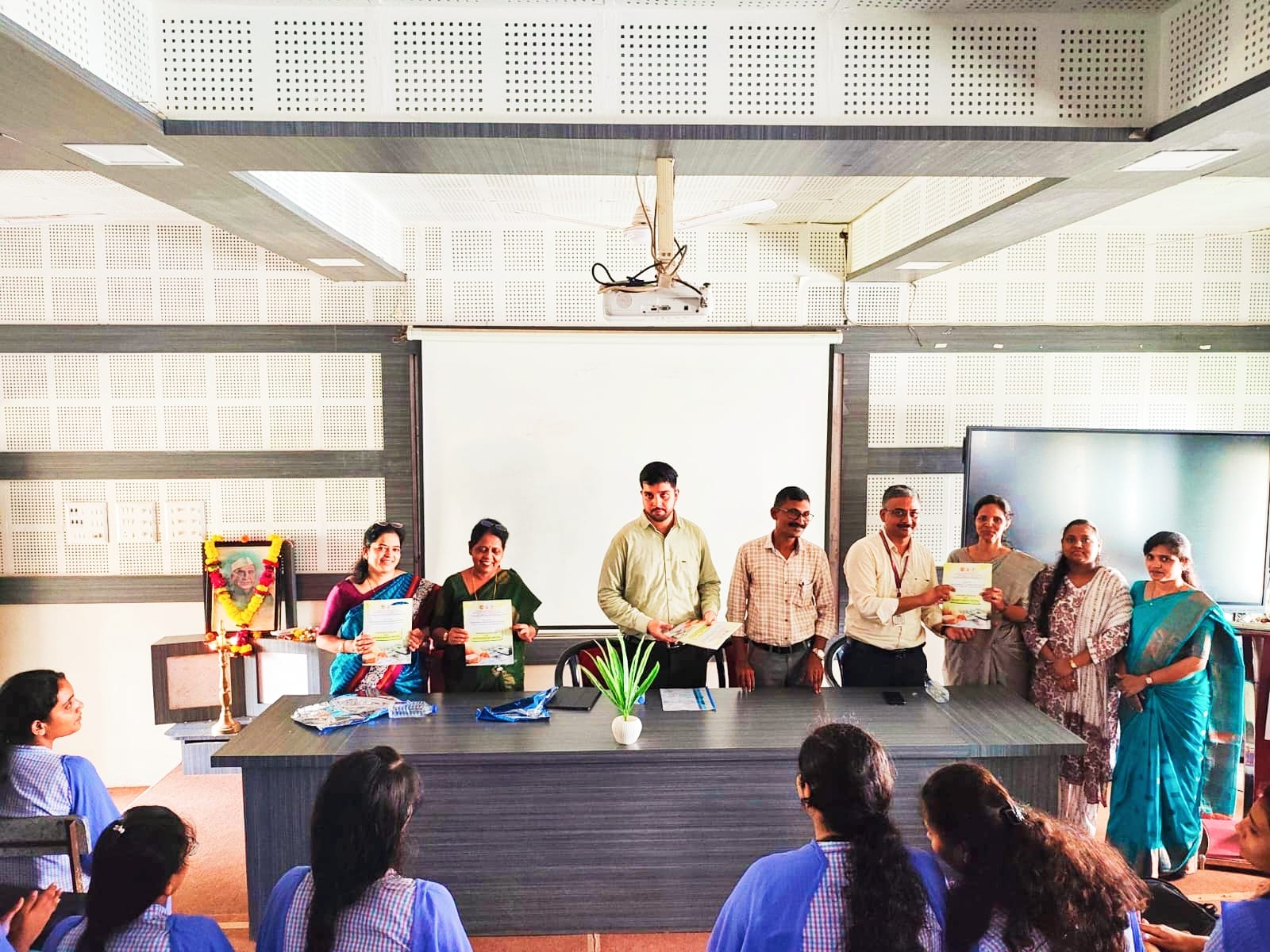 The publication of “STANDARD GUIDELINE FOR RESEARCH REPORT WRITING” booklet | 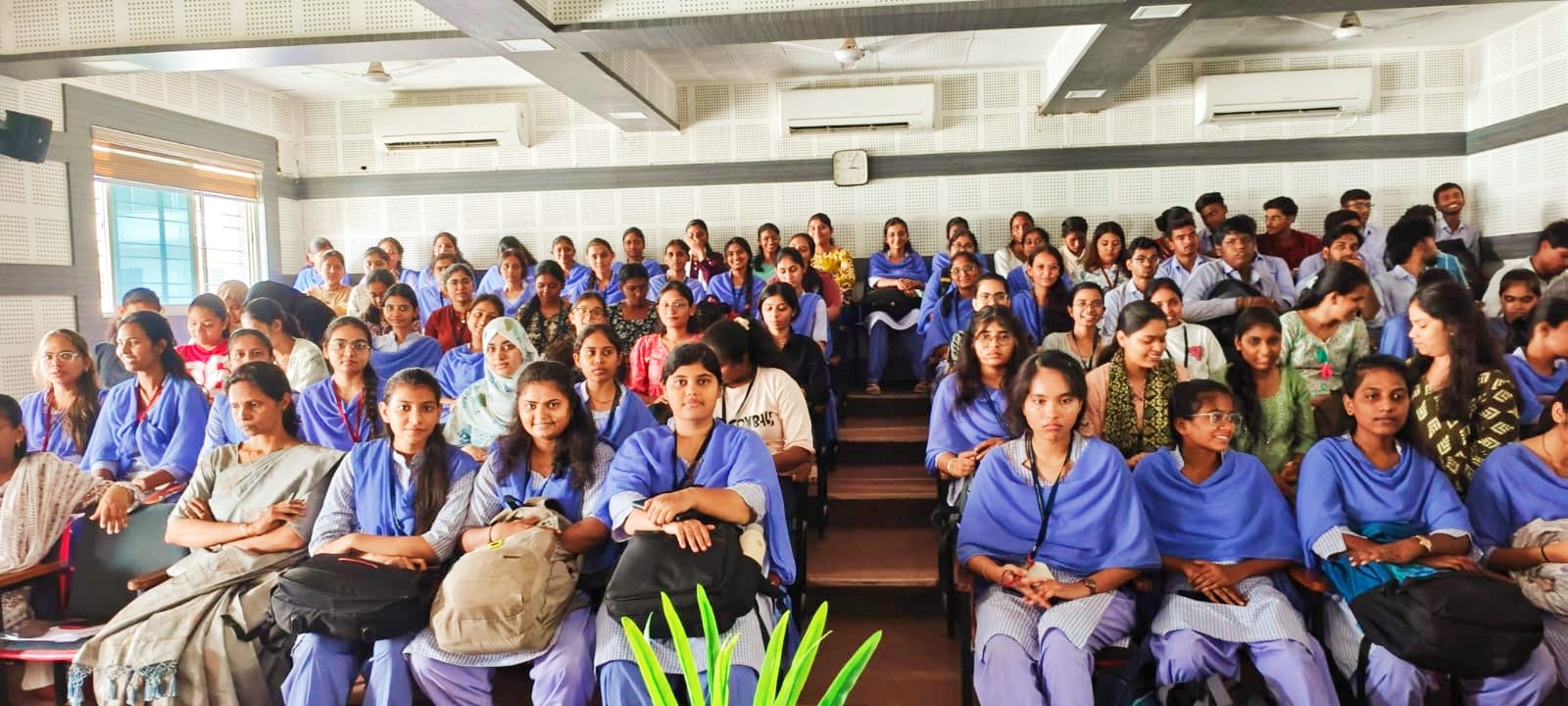 Student Participation |
 Blank |  Blank |
Attendance Sheet:
 |
 |
 |
 |
 |
 |