SHRI SHIVAJI SCIENCE COLLEGE, AMRAVATI
DBT STAR COLLEGE PROJECT ACTIVITY
ACTIVITY REPORT

Comparative Study of Environmental Parameters Inside and Outside Selected Green Spaces of Amravati City
Activity Dates: 1 Nov. to 30 Nov. 2026
Type of Activity: Minor Research Project
Organizing Department: Department of Environmental Science
Program Coordinators: Dr. K. J. Gawai
Head of the Department: Dr. S. P. Ingole
External Collaborator (if any): No
Objectives:
- 1. To assess and compare environmental parameters such as CO₂ concentration, temperature, wind speed, light intensity, relative humidity, and canopy cover inside and outside selected green spaces of Amravati City.
- 2. To evaluate the influence of green spaces on local microclimatic conditions.
- 3. To understand the ecological importance of urban green spaces in environmental quality improvement.
- --
- --
No of Beneficieries: 8
Classes Involved: B.Sc.I st
Venue of the Activity: 1. Shri Shivaji Science College Garden 2. Maltekadi 3. Shri Shivaji Horticulture College Campus 4. Shri Shivaji Agriculture College Campus
Activity Report:
Comparative Study of Environmental Parameters Inside and Outside Selected Green Spaces of Amravati City
Introduction
The world is facing numerous, urgent and diverse challenges. Extreme weather, biodiversity loss and rising competition for natural resources all feature amongst the top 10 global risks over the next 10-years, with the primary threat identified as failure to mitigate climate change (WEF, 2023—World Economic Forum—Global Risks Perception Survey 2023). Environmental challenges threaten the long-term viability of the horticulture industry directly (Webster et al., 2017).
Environmental factors play a vital role in determining the health, biodiversity, and sustainability of ecosystems. Gardens and green spaces act as “green lungs” of urban areas and significantly influence microclimatic conditions such as temperature, humidity, soil moisture, and air quality.
Biodiversity loss is increasingly recognized as a major threat to human well-being (Cardinale et al., 2012; Díaz et al., 2006; Sandifer et al., 2015). One of the main drivers of biodiversity loss is the destruction of habitats, which is caused by, among other anthropogenic factors, ongoing global patterns of urbanization (Dirzo and Raven, 2003; Johnson Christopher et al., 2017; McKinney, 2006). McDonald et al. (2020) estimate that urban growth accounts for 16 % of the global natural habitat loss between 1992 and 2000. While urban areas cover a relatively small proportion of the global land area, they are often located in geographical areas that were originally biodiversity-rich and provided habitats for a variety of species (Kühn et al., 2004).
Urbanization increasingly impacts protected areas in many parts of the world and threatens rare species within and nearby urban areas, especially the ones that are geographically restricted (Ives et al., 2016; Kühn et al., 2004; Luck, 2007; McDonald et al., 2008). Biodiversity loss has adverse effects on the well-being of urban dwellers and their willingness to protect nature, as it changes the way people experience and interact with nature in their daily lives (Fuller et al., 2007; Miller, 2005; Pyle, 1993; Soga and Gaston, 2016). In light of growing concerns about global biodiversity loss and the importance of urban biodiversity for human and environmental health, there is growing interest in the enhancement of urban biodiversity through the design and management of urban green spaces (Aronson et al., 2017; Beninde et al., 2015; Lepczyk et al., 2017; Threlfall et al., 2017).
Urban growth in hot, arid regions intensifies the urban heat island effect, making green spaces vital for climate mitigation.
Urban expansion, particularly in hot and arid regions, has led to substantial alterations in local climate conditions. One of the most prominent effects is the Urban Heat Island (UHI) phenomenon, where urban areas experience higher temperatures than their surrounding rural regions (6,7). This occurs mainly due to the replacement of natural vegetation with hard surfaces such as roads, concrete structures, and buildings, which absorb and retain heat (8,9). As a result, cities face elevated temperatures that contribute to increased energy demand, deteriorated air quality, and adverse impacts on human health and overall comfort. To address these challenges, public green spaces like parks and gardens have emerged as essential components in reducing urban heat by enhancing the local microclimate (12,13).
Urban green spaces help in reducing temperature, increasing humidity, and improving environmental quality, thereby mitigating urban heat island effects (Springer Link). Vegetation cover in gardens also contributes to soil health, water retention, and biodiversity conservation.
At present, landscaping projects are continuously promoting the process of urbanization. As an important project to improve the urban ecological environment and enhance the image of the city, the construction of landscaping projects must fully consider the project benefits and incorporate the low-carbon concept, so as to allow urban garden plant landscape plays a greater role.
This study focuses on comparing environmental factors inside and outside four selected garden areas to understand how vegetation influences environmental conditions.
Objectives
1. To assess and compare environmental parameters such as CO₂ concentration, temperature, wind speed, light intensity, relative humidity, and canopy cover inside and outside selected green spaces of Amravati City.
2. To evaluate the influence of green spaces on local microclimatic conditions.
3. To understand the ecological importance of urban green spaces in environmental quality improvement.
Review of Literature
Several studies have highlighted the environmental benefits of urban green spaces and gardens.
Marouane Samir Guedouh et al. (2025) reported that public gardens play a significant role in reducing urban heat by improving the thermal microclimate of surrounding areas. The study emphasized the need for long-term field measurements, ground validation, and improved garden design and vegetation management to enhance cooling benefits under increasing urbanization and climate change.
Mark B. Gush et al. (2023) stated that environmental horticulture is an important tool for climate change adaptation, biodiversity conservation, and the improvement of environmental and human health. The authors emphasized the importance of developing “Green Skills” through research, education, and public engagement.
Yuan W. et al. (2024) highlighted that effective garden design should consider local environmental conditions, plant characteristics, and user needs. Proper plant landscape planning improves garden quality, functionality, and ecological performance.
Previous studies have also shown that urban green spaces reduce temperature and increase humidity, improving local microclimatic conditions (CET Journal); gardens act as cooling zones in urban environments (MDPI); vegetation helps mitigate urban heat and supports environmental sustainability (Springer Link); soil moisture and vegetation cover influence ecological functioning (Nature); and green spaces provide ecosystem services such as air purification, biodiversity conservation, and climate regulation (Frontiers).
Overall, these studies confirm that gardens and urban green spaces significantly improve environmental conditions compared to non-vegetated areas.
Study Area:
The study was conducted in four locations:
1. Shri Shivaji Science College Garden
2. Maltekadi
3. Shri Shivaji Horticulture College Campus
4. Shri Shivaji Agriculture College Campus
Each site includes vegetated (inside green space) and non-vegetated (outside green space) areas for comparison.
Materials and Methods
Instruments Used
• Thermometer – for temperature measurement
• Psycrometer – for Relative Humidity measurement
• Lux meter – for light intensity measurement
• Anemometer – for wind speed measurement
• Portable air sampler – for CO2 measurement &
• Measuring tape
Methodology
• Observations were taken during morning and afternoon in the month of November
• Measurements recorded inside and outside each green space.
• Average values calculated for comparison.
• Data represented using tables & graphs.
Environmental Parameters Studied
1. CO2 (ppm)
2. Temperature (°C)
3. Wind Velocity (m/s)
4. Light Intensity (Lux)
5. Relative Humidity (%)
6. Canopy cover (m²)
Observations & Results
Table No. 1: Observations Recorded from Shri Shivaji Science College Garden
Parameters Inside Garden Outside Garden
CO2 ~428 ppm ~500 ppm
Temperature 29.8 °C. 32.8 °C.
Wind Speed 0.5 m/s 3.5 m/s
Light Intensity 30. 9 klux 1150 lux
Relative Humidity 45 % 43%
Canopy Cover (Average) 19.88 m2 (Average) -
TableNo.2: Observations Recorded from Maltekadi
Parameters Inside Garden Outside Garden
CO2 ~432 ppm (Average) ~508 ppm (Average)
Teperature 26.5 °C. 27.6 °C.
Wind Speed 0.4 m/s 4.0 m/s
Light Intensity 18.9 klux 980 lux
Relative Humidity 49 % 40 %
Canopy Cover (Average) 22.45 m2 (Average) -
Table No.3: Observations Recorded from Horticulture College Campus
Parameters Inside Garden Outside Garden
CO2 ~425 ppm (Average) ~502 ppm (Average)
Temperature 28 °C. 38 °C.
Wind Speed 0.6 m/s 2.8 m/s
Light Intensity 14.64 klux 920 lux
Relative Humidity 51 % 47 %
Canopy Cover (Average) 18.88 m2 (Average) -
Table No. 4: Observations Recorded from Agriculture College Campus
Parameters Inside Garden Outside Garden
CO2 ~430 ppm (Average) ~500 ppm (Average)
Temperature 30 °C. 34 °C.
Wind Speed 0.5 m/s 3.2 m/s
Light Intensity 17.62 klux 960 lux
Relative Humidity 61 % 51 %
Canopy Cover (Average) 24.88 m2 (Average) -
Table No. 5: Comparative Readings of Parameters Inside Garden areas/Green space
Parameters /Site CO2
(PPM) Temperature (oC)
Wind Speed
(m/s) Light Intensity
klux Relative Humidity
(%) Canopy Cover (Average)
Shri. Shivaji Science College Garden ~428 ppm
(Average) 29.8 0C 0.5 m/s 30.9 klux
(Average) 45 % 19.88 m2 (Average)
Maltekadi ~432 ppm
(Average) 26.5 0C 0.4 m/s 18.9 klux
(Average) 49 % 22.45 m2 (Average)
Horticulture College Campus ~425 ppm
(Average) 28 0C 0.6 m/s 14.64 klux
(Average) 51 % 18.88 m2 (Average)
Agriculture College Campus ~430 ppm
(Average) 30 °C. 0.5 m/s 17.62 klux
(Average) 61 % 24.88 m2 (Average)
Graph: 1
Graph: 2
Graph: 3
Graph: 4
Graph: 5
Graph: 6
Table No. 6: Comparative Readings of parameters Outside Garden areas/Green space
Parameters /Site CO2
(PPM) Temperature (oC)
Wind Speed
(m/s) Light Intensity
(lux) Relative Humidity
(%) Canopy Cover (Average)
Shri. Shivaji Science College Garden ~500 ppm
(Average) 32.8 0C 3.5 m/s 1150 lux
(Average) 43 % --
Maltekadi ~508 ppm
(Average) 27.6 0C 4.0 m/s 980 lux
(Average) 40 % --
Horticulture College Campus ~502 ppm
(Average) 38 0C 2.8 m/s 920 lux
(Average) 47 % --
Agriculture College Campus ~500 ppm
(Average) 34 °C. 3.2 m/s 960 lux
(Average) 51 % --
Graph: 7
Graph: 8
Graph: 9
Graph: 10
Graph: 11
Discussion of Results
The observations clearly indicate that:
• Temperature inside gardens is lower due to shade and evapotranspiration.
• Humidity is higher inside due to plant transpiration.
• Soil moisture is better maintained in vegetated areas.
• Light intensity is reduced inside gardens because of tree canopy.
• Wind speed inside the garden area was generally lower than outside the green space.
• Birds Diversity is found more in gardens/ green spaces.
• CO₂ concentration inside the garden area was comparatively lower than outside the green space.
• Higher canopy cover inside the green space contributes positively to environmental quality.
These findings align with previous research showing that vegetation regulates microclimate and improves environmental conditions (CET Journal).
Conclusion:
The study concludes that:
• Gardens significantly improve environmental conditions.
• Vegetation plays a crucial role in temperature regulation and moisture retention.
• Green spaces are essential for sustainable urban environments.
• Conservation and development of garden areas should be encouraged.
Suggestions:
• Long-term monitoring should be conducted.
• Plantation drives should be encouraged.
Outcomes of the Project:
1. Enhanced understanding of environmental monitoring techniques.
2. Developed skills in field data collection and analysis.
3. Learned the importance of urban green spaces in microclimate regulation.
4. Gained experience in scientific report writing and presentation.
5. Improved awareness regarding biodiversity conservation and sustainable urban planning.
References :
1. Oke, T.R. (1987). Boundary Layer Climates (2nd ed.). Routledge, London, UK.
2. Santamouris, M. (2015). Analyzing the heat island magnitude and characteristics in one hundred Asian and Australian cities and regions. Science of the Total Environment, 512–513, 582–598.
3. Armson, D., Stringer, P., & Ennos, A.R. (2012). The effect of tree shade and grass on surface and globe temperatures in an urban area. Urban Forestry & Urban Greening, 11, 245–255.
4. Meili, N. et al. (2021). Tree effects on urban microclimate: Diurnal, seasonal, and climatic temperature differences. Urban Forestry & Urban Greening, 58, 126970.
5. Semeraro, T. et al. (2021). Planning of Urban Green Spaces: An Ecological Perspective on Human Benefits. Land, 10, 105.
6. Guedouh, M.S., Youcef, K., & Hadji, R. (2025). Public Garden Environmental Factors Impact on Land Surface Temperatures of Adjacent Urban Areas. Urban Science, 9(10), 391.
7. Gush, M.B. et al. (2023). Environmental horticulture for domestic and community gardens—An integrated and applied research approach. Plants, People, Planet.
8. Cardinale, B.J. et al. (2012). Biodiversity loss and its impact on humanity. Nature, 486, 59–67.
9. Díaz, S., Fargione, J., Chapin III, F.S., & Tilman, D. (2006). Biodiversity loss threatens human well-being. PLoS Biology, 4(8), e277.
10. Sandifer, P.A., Sutton-Grier, A.E., & Ward, B.P. (2015). Exploring connections among nature, biodiversity, ecosystem services, and human health. Ecosystem Services, 12, 1–15.
11. McKinney, M.L. (2006). Urbanization as a major cause of biotic homogenization. Biological Conservation, 127(3), 247–260.
12. McDonald, R.I. et al. (2020). Research gaps in knowledge of the impact of urban growth on biodiversity. Nature Sustainability, 3(1), 16–24.
Outcomes:
- 1. Enhanced understanding of environmental monitoring techniques.
- 2. Developed skills in field data collection and analysis.
- 3. Learned the importance of urban green spaces in microclimate regulation.
- 4. Gained experience in scientific report writing and presentation.
- 5. Improved awareness regarding biodiversity conservation and sustainable urban planning.
Photos:
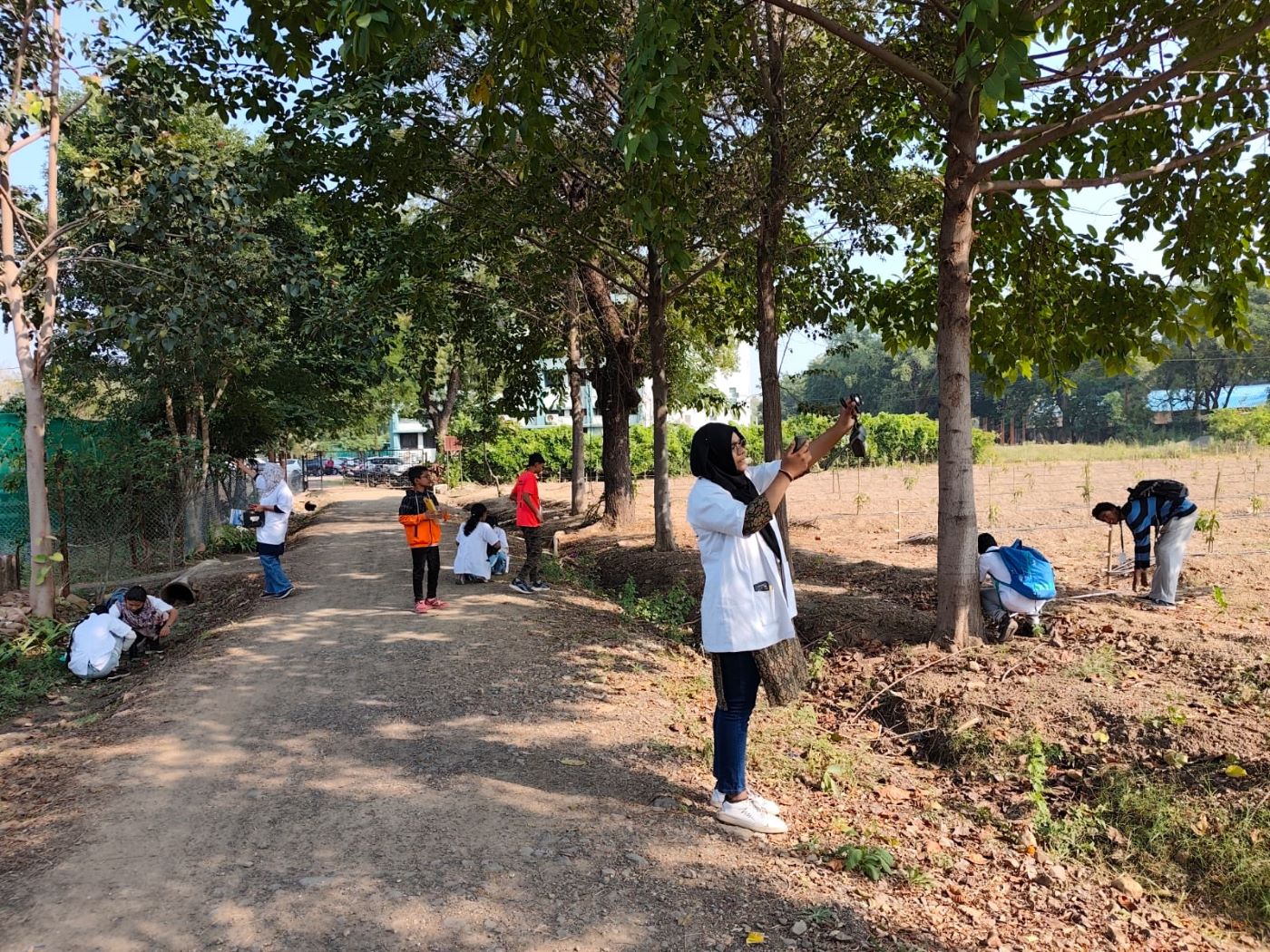 Students taking readings at Horticulture College Campus== | 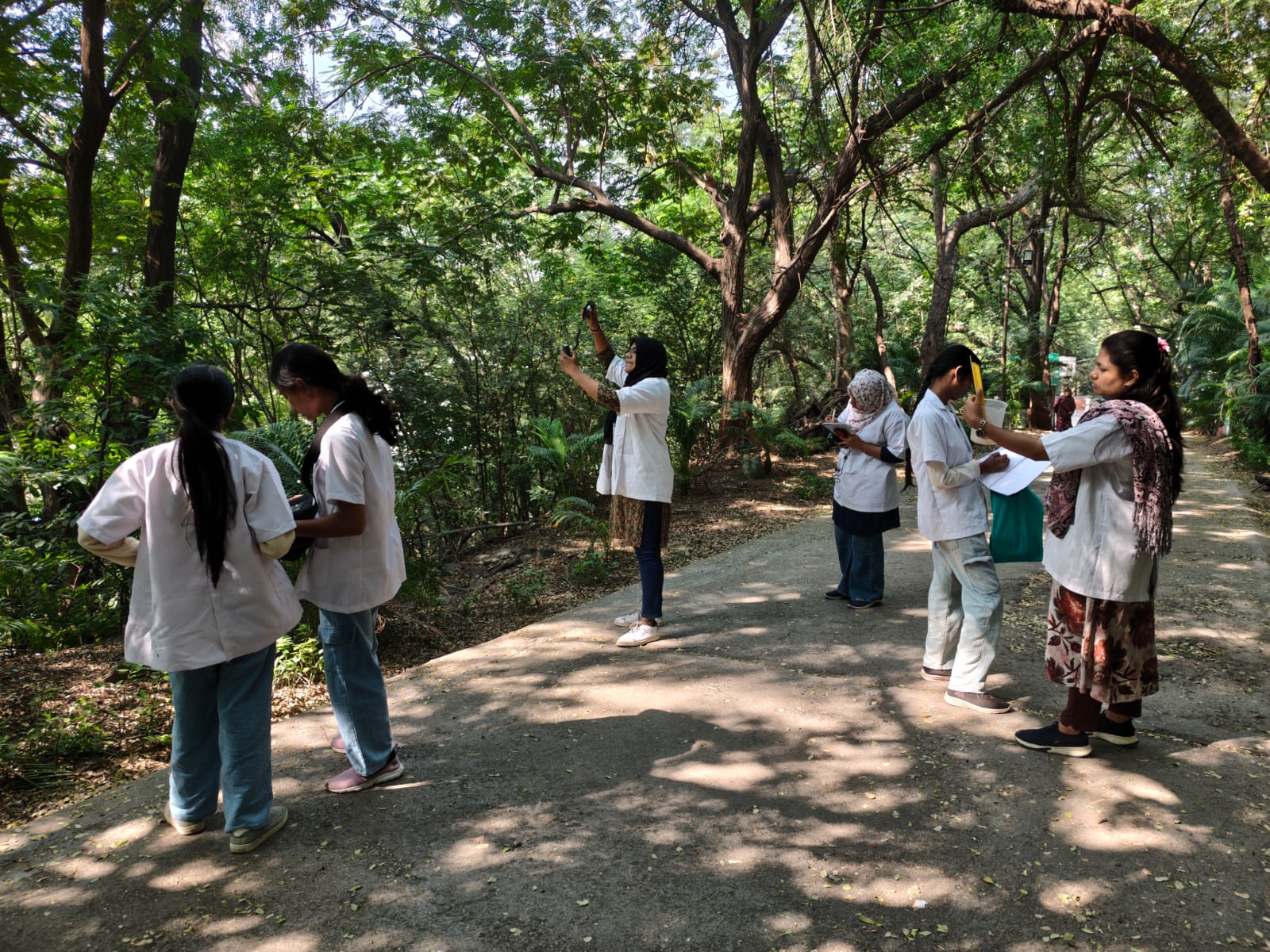 Students taking readings at Maltekadi |
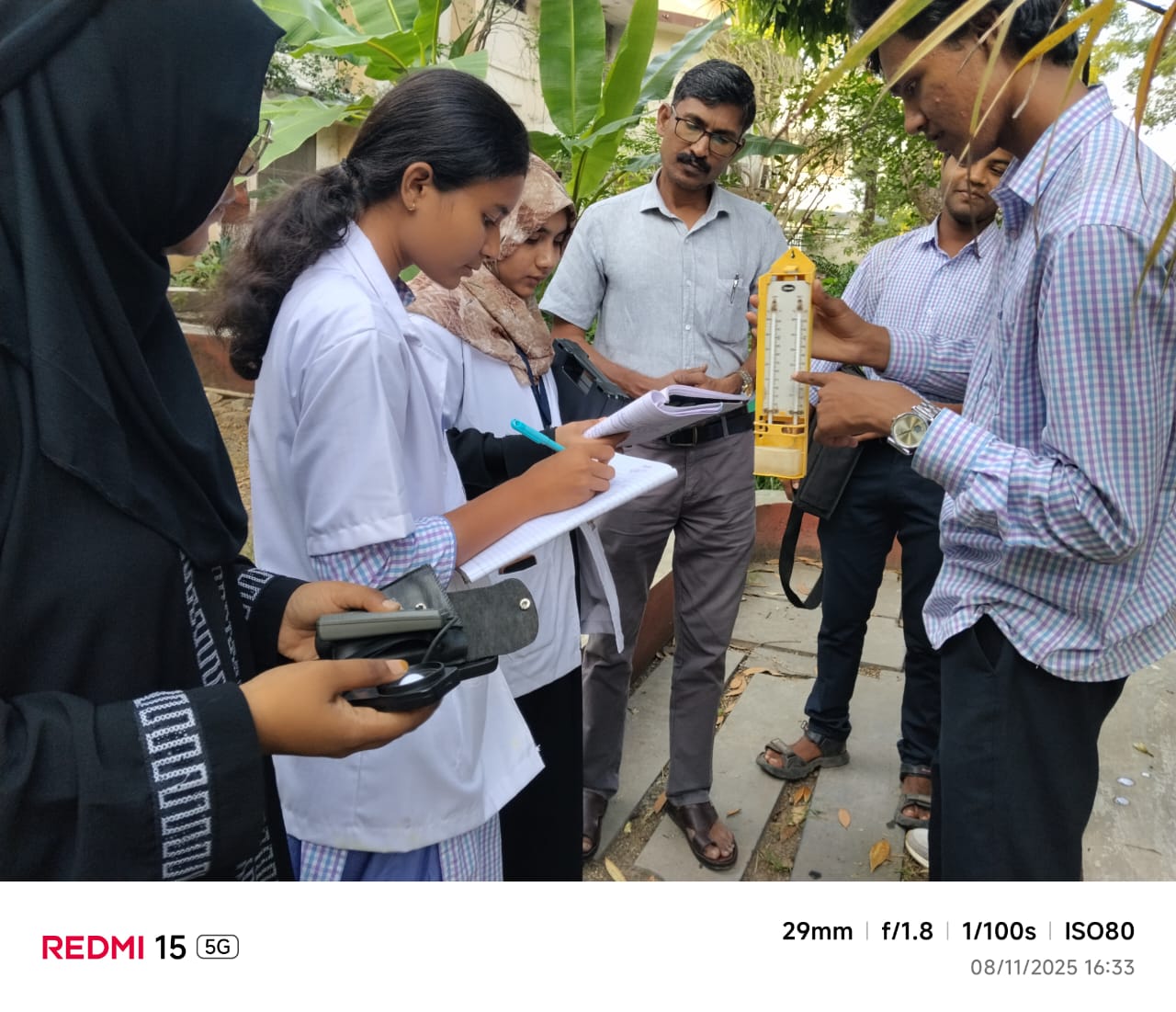 Measurement of relative humidity with psycrometer in College Campus | 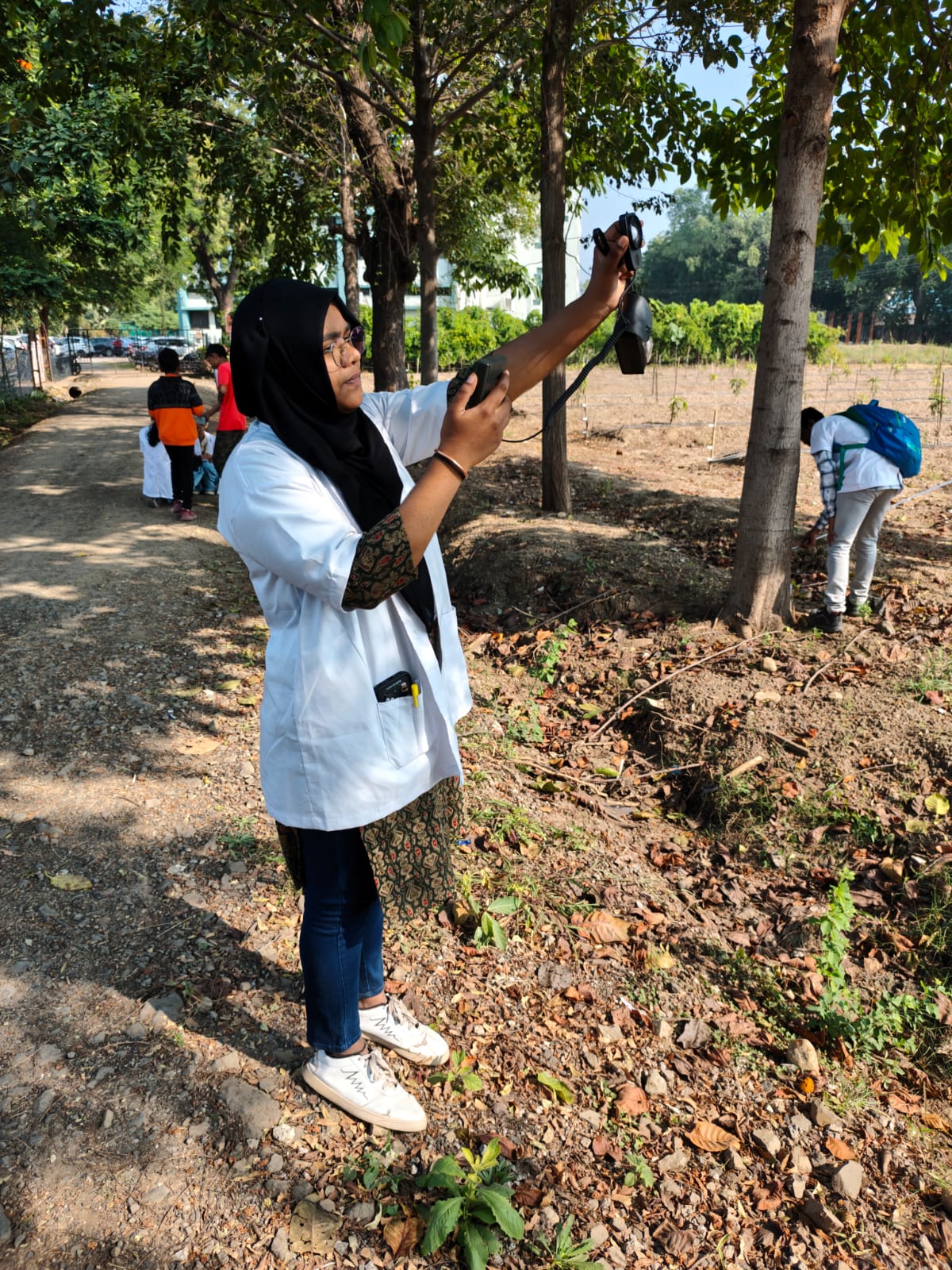 Measurement of light intensity at Horticulture |
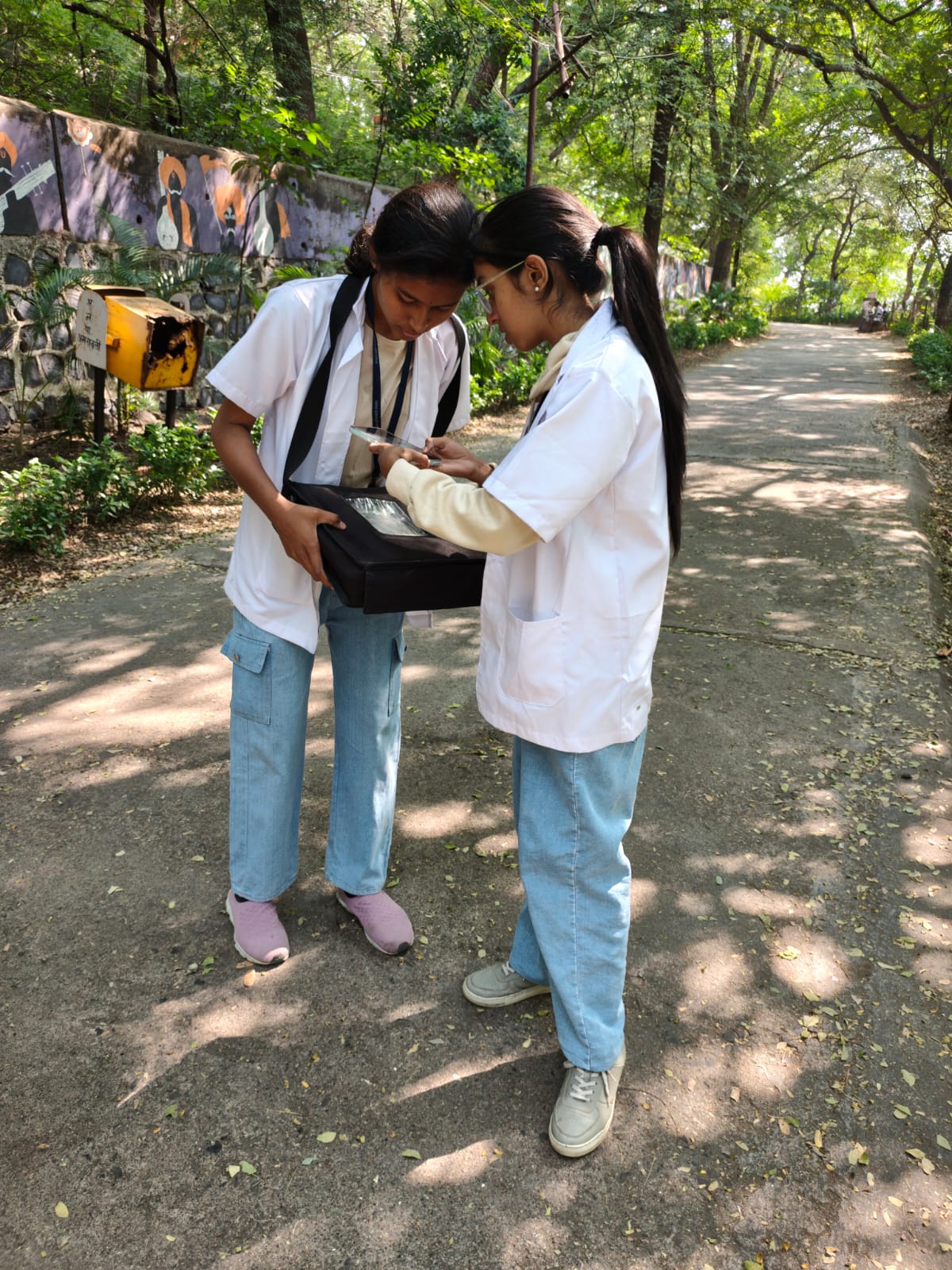 CO2 measurement at Maltekadi | 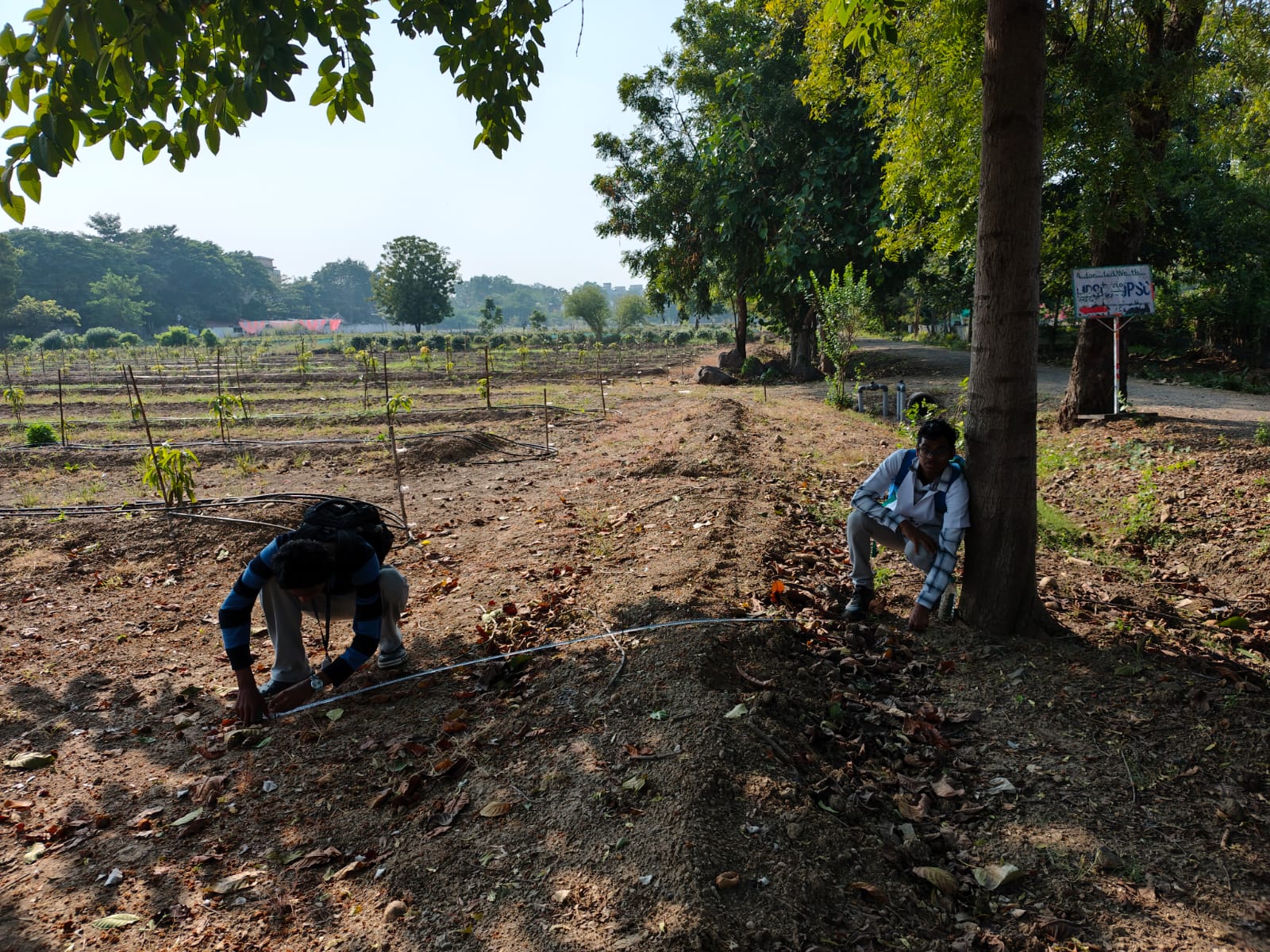 Canopy determination at horticulture |
Attendance Sheet: