SHRI SHIVAJI SCIENCE COLLEGE, AMRAVATI
DBT STAR COLLEGE PROJECT ACTIVITY
ACTIVITY REPORT

Food Zone Activity
Activity Dates: 25th December, 2025
Type of Activity: Other
Organizing Department: Department of Microbiology
Program Coordinators: Dr. Ashruta A. Gawali
Head of the Department: Dr. R. C. Maggirwar
External Collaborator (if any): No
Objectives:
- 1. To create awareness about the nutritional importance of fermented food items in day-to-day life.
- 2. To educate the public on how fermented foods benefit gut health and metabolism.
- 3. To showcase traditional Indian food practices in a modern context, highlighting their relevance in contemporary health-conscious living
- 4. To provide students with an opportunity to engage in experiential learning through organizing and managing an event.
- 5. To promote team-building and leadership skills by assigning specific roles and responsibilities to each student participant.
No of Beneficieries: 200
Classes Involved: B.Sc students
Venue of the Activity: Chhatrapati Shivaji Maharaj Sabhagruh, Amravati
Activity Report:
Report on Food Zone Activity Held at Chatrapati Shivaji Maharaj Sabhagruh
Event Date: 25th December, 2025
Venue: Chatrapati Shivaji Maharaj Sabhagruh, Amravati
Occasion: Birth Anniversary Week of Dr. Panjabrao Alias Bhausaheb Deshmukh
Organized by: Students of Department of Microbiology & Biotechnology
Introduction
The Food Zone Activity held at Chhatrapati Shivaji Maharaj Sabhagruh was organized as part of the celebrations marking the Birth Anniversary Week of Dr. Panjabrao Alias Bhausaheb Deshmukh, a renowned social reformer, visionary leader, and educationist who made significant contributions to agriculture, education, and public welfare. This activity was designed to create awareness about the importance of fermented food items in daily diets and their role in improving gut metabolism and overall health.
In addition to its educational objective, the activity was conducted as an extended component of a Food Festival initiative, aimed at developing an entrepreneurial approach among students. The students not only prepared and presented food items but also sold them, gaining exposure to real-time commercial practices such as pricing, customer interaction, and product presentation. This initiative enabled them to understand how scientific knowledge can be applied in developing small-scale food-based enterprises.
The event was successfully organized by a team of 10 students who managed five different food stalls, each showcasing a popular fermented food item from Indian cuisine, including Dhokla, Idli, Appe, Idli Chat, and Kanji.
Importance of Fermented Foods
Fermented foods have been an integral part of traditional diets across cultures, particularly in India, where they are valued not only for their taste but also for their immense health benefits. Fermentation is a natural biochemical process carried out by microorganisms such as bacteria and yeast, which convert carbohydrates into simpler compounds like acids, gases, or alcohol. This process enhances the nutritional quality, digestibility, and shelf life of food.
One of the most significant benefits of fermented foods is their probiotic content, which plays a crucial role in maintaining a healthy gut microbiome. A balanced gut microbiota is essential for proper digestion, absorption of nutrients, and overall metabolic functioning. Regular consumption of fermented foods helps in improving digestion, reducing bloating, and preventing gastrointestinal disorders such as constipation and indigestion.
Fermentation also increases the bioavailability of essential nutrients, including vitamins such as B-complex and minerals like iron and zinc. It breaks down anti-nutritional factors, making nutrients more accessible to the body. Additionally, fermented foods contribute to strengthening the immune system, as a large portion of immune activity is linked to gut health.
In modern times, where lifestyle-related disorders and digestive issues are becoming increasingly common, fermented foods offer a natural and cost-effective solution. The Food Zone Activity effectively highlighted these benefits and encouraged visitors to incorporate such foods into their daily diets.
Objectives of the Activity
The main objectives of the Food Zone Activity were:
1. To create awareness about the nutritional and health benefits of fermented foods.
2. To educate the public about the role of fermented foods in improving gut health and metabolism.
3. To promote traditional Indian food practices in a modern context.
4. To provide students with hands-on experience in organizing and managing an event.
5. To develop teamwork, leadership, and communication skills.
6. To foster an entrepreneurial mindset by involving students in the preparation, marketing, and sale of food products.
Description of the Activity
The event was well-organized and efficiently managed by the student team. Each student actively participated in the preparation of food items, arrangement of stalls, and interaction with visitors.
The stalls featured the following fermented food items:
Dhokla: A steamed snack made from fermented rice and chickpea flour, known for its light texture and digestive benefits.
Idli: A soft and nutritious South Indian dish made from fermented rice and lentil batter, providing energy and supporting gut health.
Appe: Protein-rich fermented fritters made from rice and urad dal, beneficial for metabolism and digestion.
Idli Chat: A modern variation of idli topped with chutneys and spices, combining traditional nutrition with innovative presentation.
Kanji: A fermented beverage prepared from mustard seeds and vegetables, known for its detoxifying and probiotic properties.
Each stall was creatively designed to attract visitors and provide both sensory and educational experiences. Students used charts, posters, and direct interaction to explain the science behind fermentation and its health benefits.
Entrepreneurial Approach and Skill Development
A distinctive feature of this activity was its focus on developing entrepreneurial skills among students. By selling their prepared food items, students gained practical experience in aspects of business such as cost estimation, pricing strategies, marketing, and customer engagement.
This approach transformed the activity from a simple educational event into a mini entrepreneurial model, where students experienced the process of converting raw materials into marketable products. They learned how to present their products attractively, maintain quality standards, and interact professionally with customers.
The activity also highlighted the potential of fermented foods as commercial products with growing demand in health-conscious markets. Students were encouraged to think innovatively about scaling such food items into small business ventures, thus linking microbiology with entrepreneurship.
Furthermore, this experience helped students build confidence, improve decision-making abilities, and understand the importance of customer satisfaction in any business model. It served as a valuable platform for experiential learning beyond the classroom.
Student Participation and Contribution
The students demonstrated remarkable teamwork and dedication throughout the event. Despite limited preparation time, they managed all aspects effectively, from food preparation to stall management and sales.
Each student was assigned specific roles, ensuring smooth coordination. Their ability to explain scientific concepts in simple terms and engage with visitors contributed significantly to the success of the activity.
Response from the Public
The activity received an overwhelmingly positive response from faculty members, students, and local visitors. The attractive stalls and delicious food items drew significant attention.
Visitors appreciated the informative approach adopted by the students and showed keen interest in learning about the health benefits of fermented foods. Many expressed their willingness to include such foods in their daily diet.
The commercial aspect of the activity also enhanced public engagement, as visitors actively participated by purchasing the food items and supporting the students’ initiative.
Outcomes of the Activity
1. Enhanced Awareness: Increased understanding of fermented foods and their health benefits.
2. Skill Development: Improvement in communication, teamwork, and event management skills.
3. Entrepreneurial Exposure: Practical experience in selling products and managing basic business operations.
4. Cultural Appreciation: Promotion of traditional Indian dietary practices.
5. Health Education: Better awareness of gut health and nutrition among the public.
Conclusion
The Food Zone Activity held at Chhatrapati Shivaji Maharaj Sabhagruh was a great success, effectively combining education, health awareness, and entrepreneurship. It aligned with the vision of Dr. Panjabrao Alias Bhausaheb Deshmukh by promoting knowledge dissemination and community welfare.
The inclusion of an entrepreneurial component added significant value, enabling students to gain real-world experience and practical skills. The positive response from the public and the active involvement of students reflect the success and impact of the event.
Overall, the activity served as an excellent platform for promoting healthy eating habits, preserving traditional food knowledge, and encouraging entrepreneurial thinking among students. It stands as a model for future initiatives aimed at holistic student development.
Outcomes:
- 1. Increased Awareness: The activity led to increased awareness about the role of fermented foods in promoting gut health and digestive well-being. Many attendees indicated that they would include fermented foods in their daily meals.
- 2. Student Development: The students developed essential skills such as event management, public speaking, and team coordination. They learned how to work under pressure and complete tasks within tight timelines, thus enhancing their problem-solving and time-management abilities.
- 3. Engagement with Traditional Food Practices: The event allowed attendees to rediscover and appreciate the traditional food practices of India, showing how these foods align with modern health trends. Visitors learned that these foods, which have been part of Indian culture for centuries, are not only tasty but also beneficial for modern lifestyles.
- 4. Health Education: The primary goal of educating the public on the importance of fermented foods was met successfully. People left with a clearer understanding of how these foods contribute to overall well-being, specifically in terms of digestive health and metabolism.
- Students develop practical life skills such as basic cooking, teamwork, and hygiene awareness while gaining a better understanding of nutrition and healthy eating habits.
Photos:
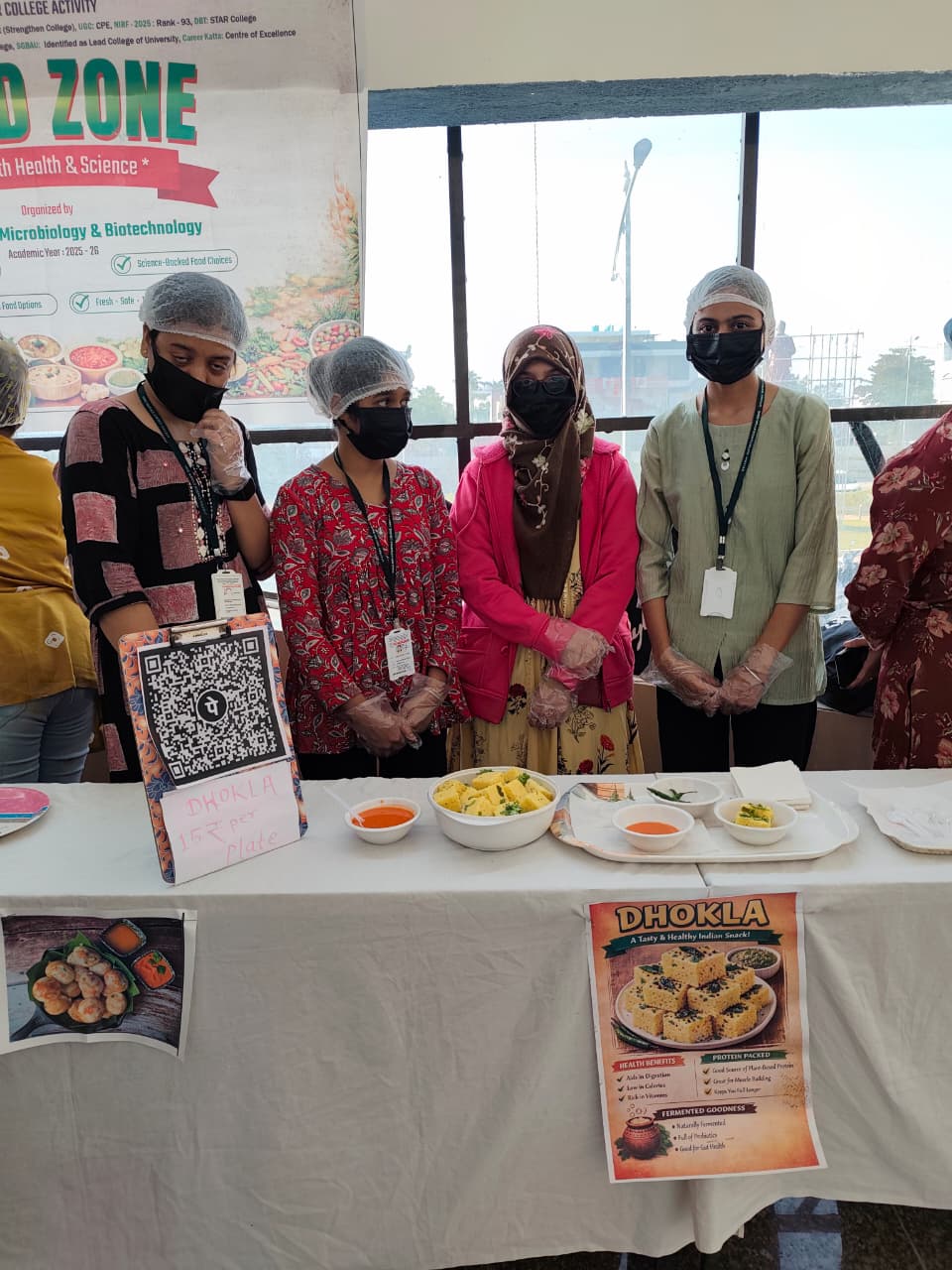 Serving up smiles, one bite at a time! | 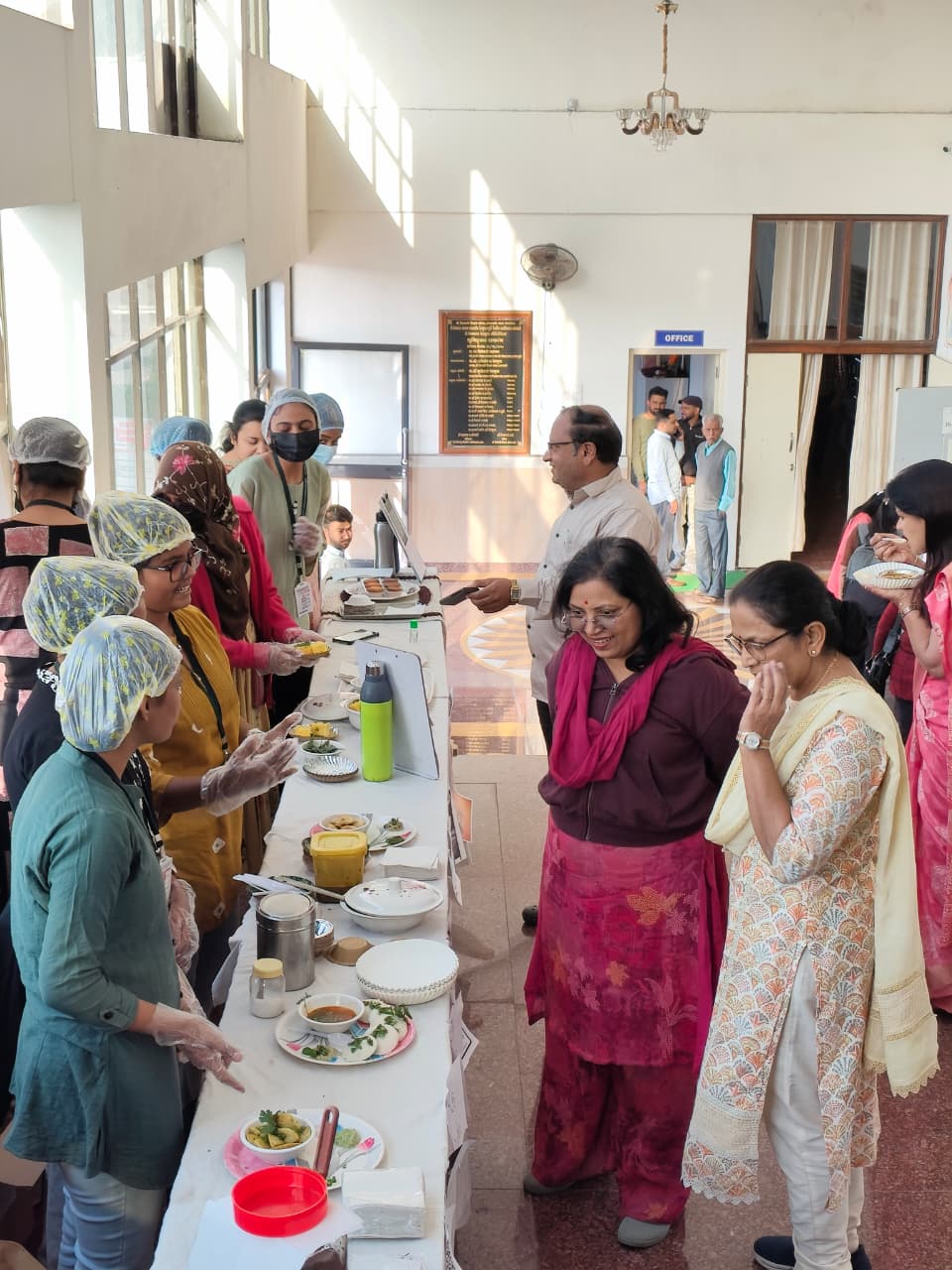 When the classroom turns into a cafeteria, everyone’s a chef! |
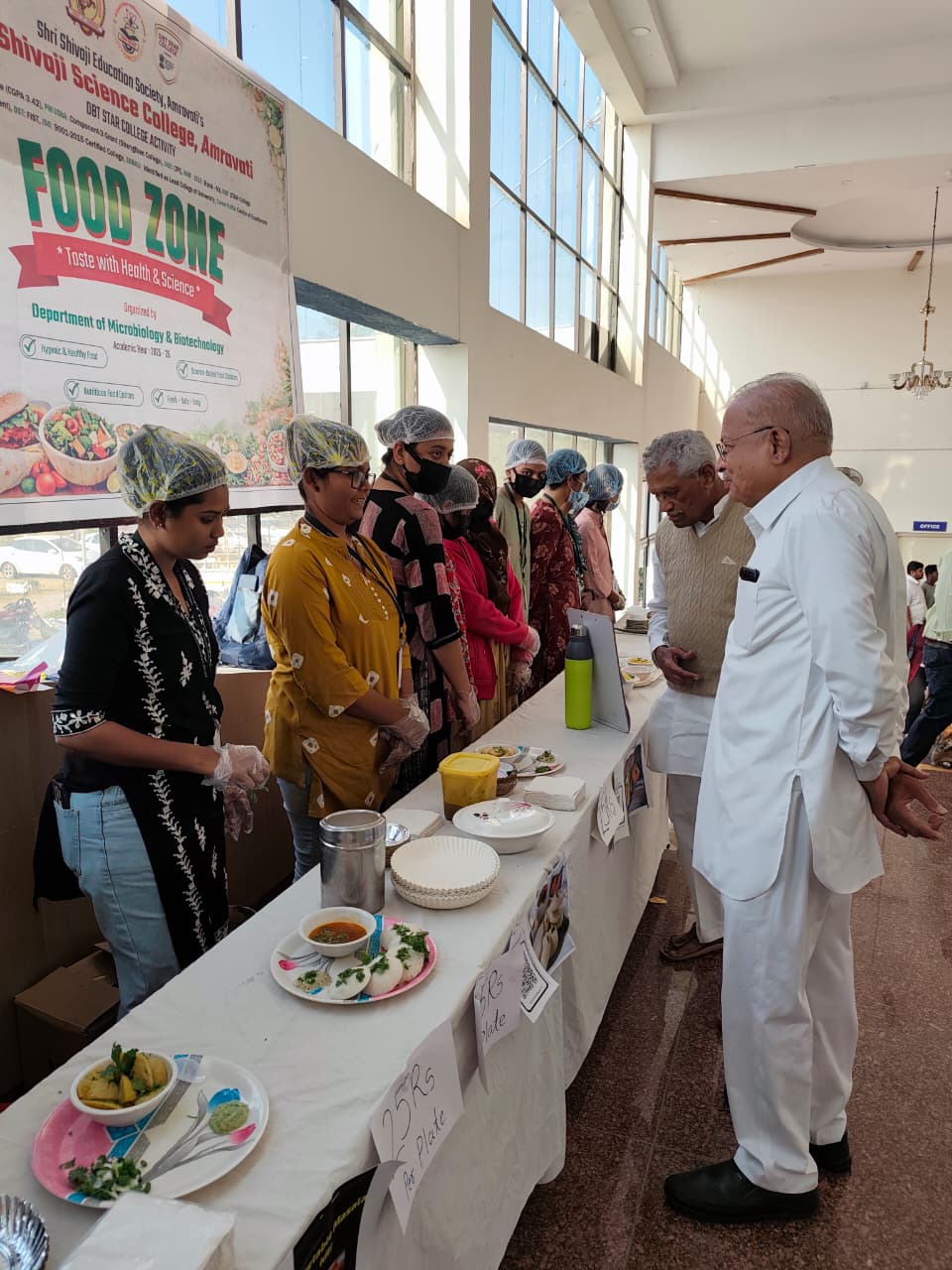 Teamwork makes the food work! |  Brain food in the making! |
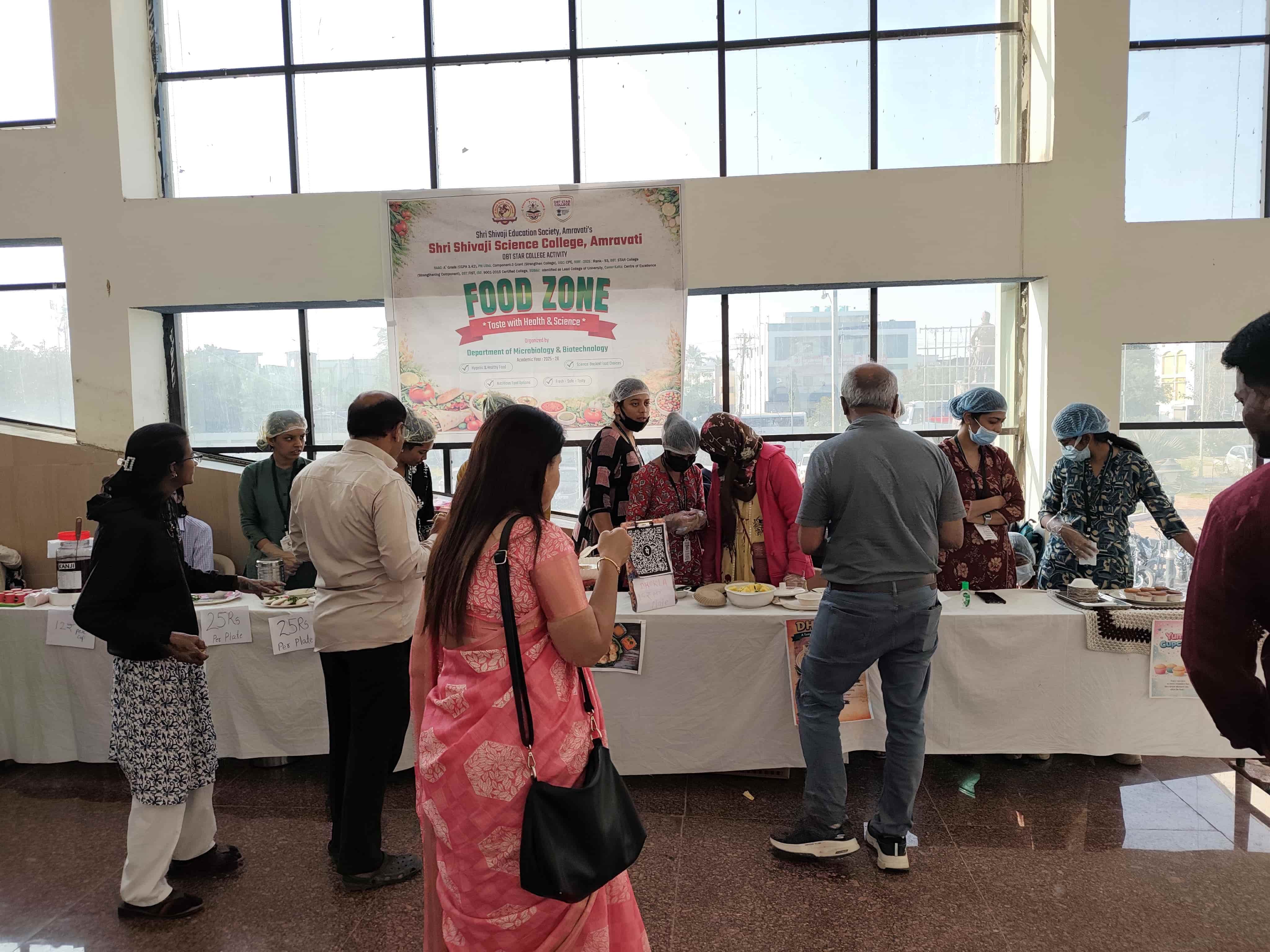 Cooking up creativity and good vibes! | 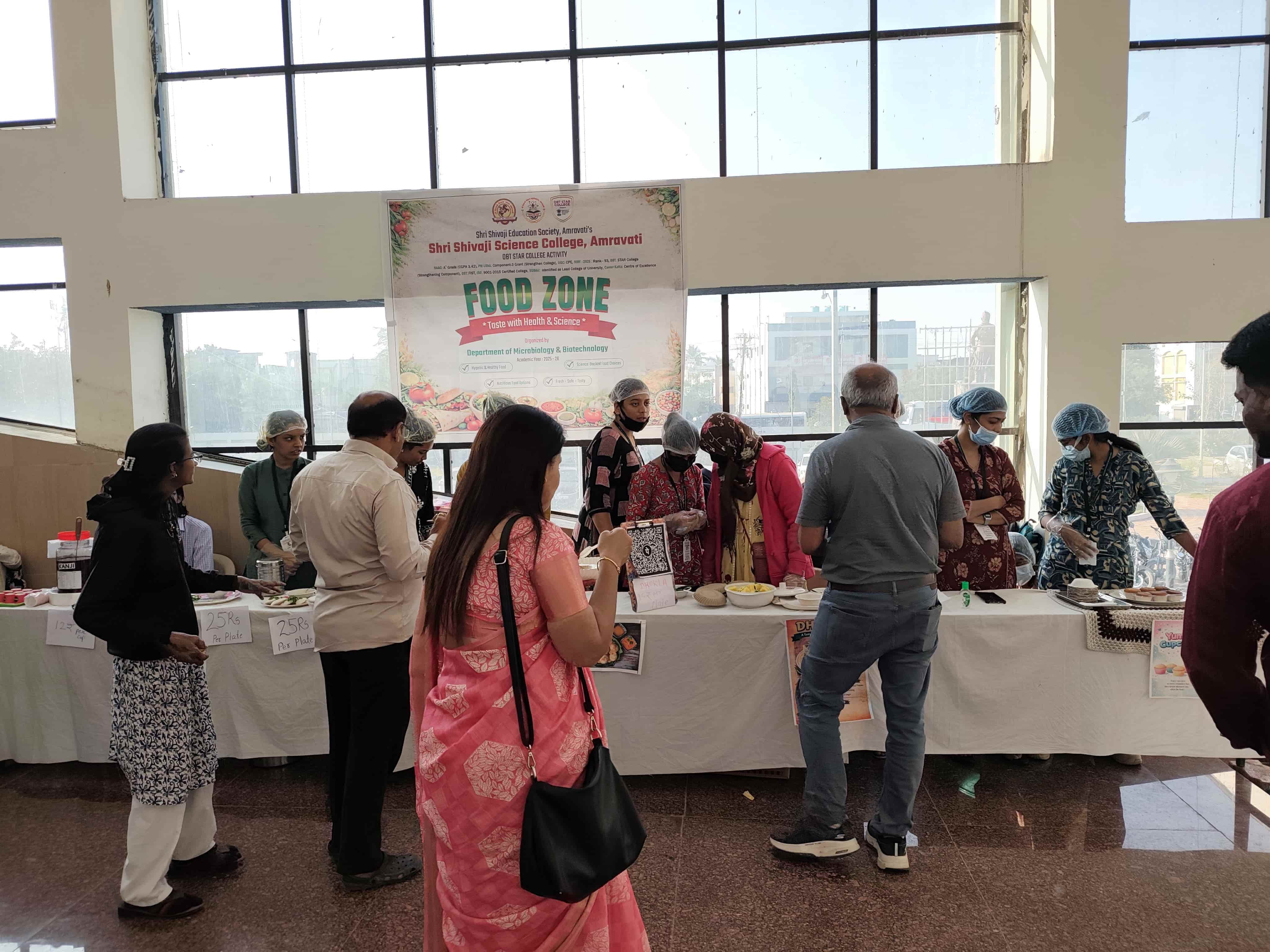 Fueling minds and appetites! |
Attendance Sheet:
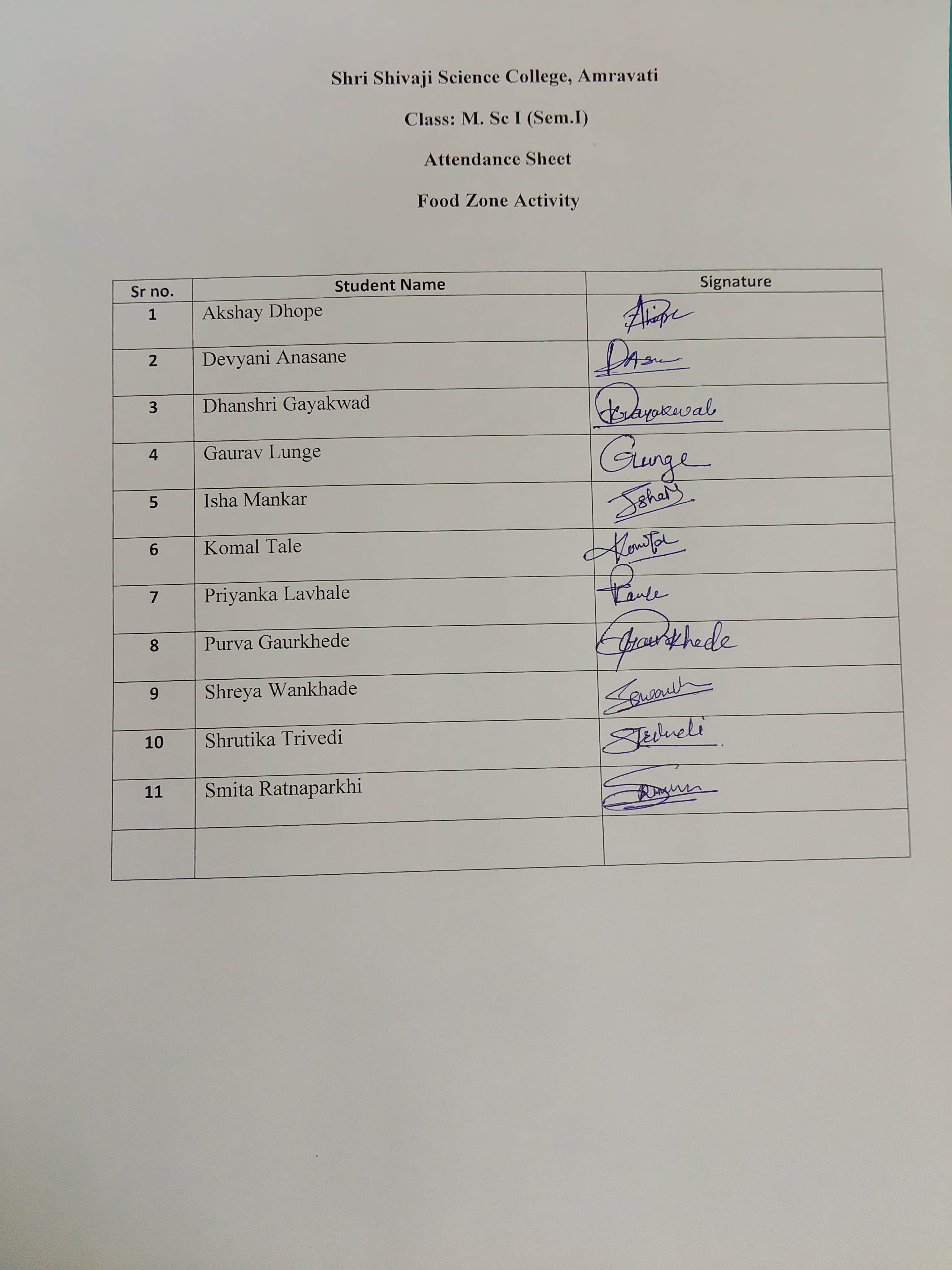 Sheet |