SHRI SHIVAJI SCIENCE COLLEGE, AMRAVATI
DBT STAR COLLEGE PROJECT ACTIVITY
ACTIVITY REPORT

CSIR -NEERI Visit for UG Students
Activity Dates: 25 Feb 2026
Type of Activity: Outreach Activity
Organizing Department: Department of Chemistry
Program Coordinators: Dr. N. H. Bansod
Head of the Department: Dr. P. R.Mandlik
External Collaborator (if any): CSIR NEERI
Objectives:
- 1. To gain practical exposure
- 2. To learn about pollution control technologies
- 3. To understand sustainable development concepts
- 4. To interact with scientists and experts
- 5. To know the role of NEERI in society
No of Beneficieries: 100
Classes Involved: B.Sc.III & B.Sc.II (NEP) Students
Venue of the Activity: CSIR -NEERI Nagpur & Balasaheb Thackeray Gorewada International Zoological Park
Activity Report:
•
Introduction
The Department of Chemistry organized an educational visit under DBT Star Project to the National Environmental Engineering Research Centre (NEERI),Nagpur on 25thFebruary 2026, to provide students experiential learning, enhanced knowledge and comprehension and exposure to modern research and development activities in the field of environmental science and engineering. NEERI is a constituent laboratory of the Council of Scientific and Industrial Research (CSIR), New Delhi, and plays a key role in promoting environmental sustainability in India through scientific research and technological innovation.
The primary purpose of this visit was to enhance our understanding of how theoretical concepts studied in chemistryare applied in real-world situations. NEERI serves as a hub for research on water and wastewater treatment, air pollution control, solid waste management, and environmental chemistry. This visit gave students a unique opportunity to observe how environmental problems are addressed scientifically to create a sustainable and cleaner environment with the help of interdisciplinary application of chemistry in this field.
This educational visit played a very important role from a student perspective, as it connects classroom theory to real-world experience and also bridges the gap between academic theory and practical application, allowing students to witness how scientific concepts are applied in the real world. This visit also provided the opportunities to interact with researchers and professionals which allowed students to ask questions and gain insight into their work and learn about the latest research findings. This visit offered practical career exposure, motivating students by demonstrating how theoretical knowledge is applied and sparking curiosity about future paths.
Objectives of Visits
• The main objectives of the educational visit were as follows:
To gain practical knowledge of modern technologies used in environmental monitoring and control.
To observe the functioning of advanced laboratory instruments and analytical methods.
To understand how environmental pollution is assessed, treated, and managed.
To study the role of chemistry in solving environmental issues through sustainable development and development of remediation technologies.
To encourage students to explore careers and research opportunities in chemistry discipline.
Activities Conclude
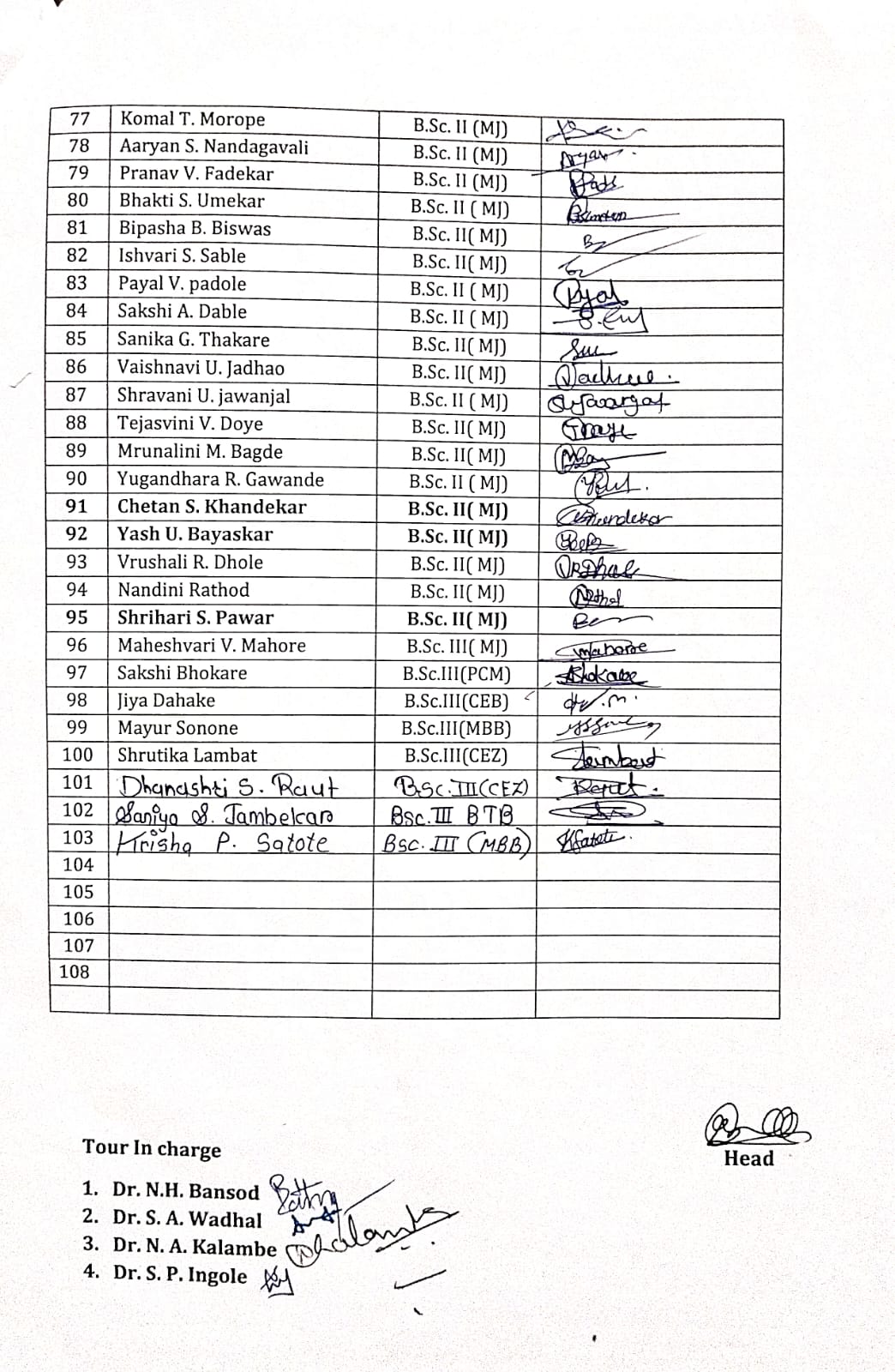
On the day of the visit, a total of 98 students from both B.Sc. III and B.Sc. II chemistry discipline, accompanied by four staff members Dr. N.H. Bansod , Dr. S.A. Wadhal, Dr. N.A. Kalambe and Dr. S.P. Ingole . All the students and teaching staff assembled at the college premises around 7:00 a.m. After a brief headcount and instructions from the staff, the group departed from the college campus at 7:45 a.m.
During the journey, the students enjoyed the music, outside sceneries. The group halted for breakfast at around 9:45 a.m. in front of Hotel Rajkamla Dhaba, Amravati Hwy, Near Kondhali, Nagpur, after which the journey resumed towards the destination. The first destination was Visit to Gorewada Zoological Park.
Gorewada Zoological Park
Gorewada Zoological park is a zoo in the Nagpur district of Maharashtra state. Upon completion, this is likely to be one of the largest captive zoo safaris in India, covering over 1914 hectares of land adjoining Gorewada Lake. Here students observed wild animals in their natural habitat by Jungle Drive from close distance where human in cage (secured bus with guide) and animals roaming freely. Students observed number of wild animals, mainly two tigers, two leopards, two bears, herbivorous sloth bear, deer, some endangered species of deer and other animals also. Students achieved amazing experience here. The visit to Gorewada Zoo helped us understand the importance of wildlife conservation and the role of zoos in protecting animals.
Observing animals like leopard, tiger, deer, nilgai, and peacock allowed us to learn about their behavior, habitat, and ecological importance. At Gorewada Zoo, we observed a wide variety of animals living in conditions similar to their natural habitats. Animals such as leopard, tiger, deer, nilgai, and peacock were seen. Each animal showed different types of behavior. For example, some animals were resting while others were active and moving around in search of food. This helped us understand their daily activities, feeding habits, and adaptation to the environment.
The visit to Gorewada had been conducted around 2:00 pm. And we headed towards the next destination i.e. CSIR-NEERI, Nagpur.
After completing the visit of Gorewada Zoo, the team reached the National Environmental Engineering Research Centre (NEERI),Nagpur, at approximately 3.00 p.m
A brief about NEERI
NEERI (National Environmental Engineering Research Centre) was established in 1958, originally as theCentral Public Health Engineering Research Institute (CPHERI), with the aim of conducting research in the areas of water supply, sewage disposal, and environmental sanitation. Later, in 1974, it was renamed as NEERI to reflect its broader focus on environmental research and engineering.
NEERI operates under CSIR and functions as one of India’s premier institutions dedicated to solving environmental challenges through R&D, consultancy, and capacity-building activities. The institute’s headquarters are located in Nagpur, with five zonal laboratories situated in Delhi, Mumbai, Chennai, Kolkata, and Hyderabad.
This institute provides environmental science and engineering solutions for sustainable development and pollution control. It conducts research, develops new technologies, and offers technical assistance to the government and industry on environmental issues. NEERI’s work covers a wide range of environmental concerns, including
• Air pollution monitoring and control
• Water technology and management
• Climate change
• Waste management (including solid and hazardous waste)
• Environmental impact and risk assessment
• Environmental material and biotechnology
After arriving at destination we visited the following departments/sections:-
• Air Pollution Monitoring section
• Analytical Chemistry section
• Environmental Monitoring Section
• Water Quality Analysis Section
These are the some important instruments which we observed in above mentioned department
1. High Volume Air Sampler (HVAS)
During the visit, we observed a High Volume Air Sampler used for monitoring air pollution. The instrument works by drawing a large volume of air through a filter paper where particulate matter gets collected. The collected particles are analyzed to determine air quality. This instrument is mainly used in the Air Pollution Monitoring section.
2. Gas Chromatograph (GC)
We observed a Gas Chromatograph used for the separation and analysis of chemical compounds. It works by passing a vaporized sample through a column using a carrier gas, where different components get separated and detected. This instrument is widely used for analyzing pollutants in air, water, and soil. It is mainly located in the Analytical Chemistry section.
3. ICP-OES (Inductively Coupled Plasma – Optical Emission Spectrometer)
During the visit, we observed an ICP-OES instrument used for elemental analysis. It works by introducing the sample into a high-temperature plasma where elements emit characteristic light, which is then measured. This instrument is mainly used for detecting heavy metals in water and environmental samples. It is located in the Environmental Monitoring Section
After a visit to various departments the visit concluded, after which the group assembled again for a group photo. The visit concluded at 5:00 p.m., after which the team departed from NEERI and began their return journey to the college. On the way the dinner was taken around 8:00pm at Rajkamal Inn, Family Garden, Nagpur Kondali.
The group reached the Shri Shivaji Science college, Amravati safely by 10:0 p.m., marking the successful completion of the educational visit. The day was both informative and enjoyable, providing valuable practical exposure and insights into environmental research and its technological applications.
Learning Outcomes
The educational visit to the National Environmental Engineering Research Centre (NEERI), Nagpur, provided students with an enriching and practical learning experience. It allowed us to observe how scientific concepts from biotechnology, microbiology, chemistry and environmental science are implemented in real-world applications to address current environmental challenges.
One of the most significant observations made during the visit was the integration of biotechnology, chemistry, and engineering in developing eco-friendly technologies. Students observed how laboratory research is translated into large-scale applications such as wastewater recycling, air pollution control, and solid waste management. The guided tour through various divisions of NEERI helped us understand the interconnection between different environmental parameters and how their proper management contributes to sustainable development.
In the Environmental Resources Planning and Management division, we observed how ambient air quality is continuously analyzed using modern instruments like Partisol –FRM Air Sampler. Experts explained how pollutants such as particulate matter, sulfur dioxide, nitrogen oxides, and volatile organic compounds are detected, measured, and controlled. We also learned about modeling techniques used to predict the spread of air pollutants in urban areas, which is essential for environmental planning and policy making.
In the Water Technology and Management Division, we learned about different physical, chemical, and biological methods used for detection of contamination in water. The scientist demonstrated how the turbidity, concentration of fluoride ions using turbidity meter, ion meter respectively can be detected and harmful effects of this contaminated water on human body.
Conclusion
The educational visit to NEERI, Nagpur, was extremely beneficial and enlightening. It gave students a comprehensive understanding of applications interdisciplinary chemistry on industrial scale and how environmental problems are tackled scientifically and systematically. The interaction with research scientists and the exposure to real-time projects helped bridge the gap between theoretical learning and its practical application.
Such visits encourage young minds to contribute towards environmental protection and sustainable development. Overall, this experience deepened our awareness of environmental challenges and motivated us to pursue research and innovation in the field of interdisciplinary chemistry for a cleaner and greener future.
Outcomes:
- 1. Enhanced Practical Knowledge
- 2. Career Insight and Motivation
- 3. Better Understanding of Environmental Issues
- 4. Increased Environmental Responsibility
- 5. Awareness of Sustainable Practices
Photos:
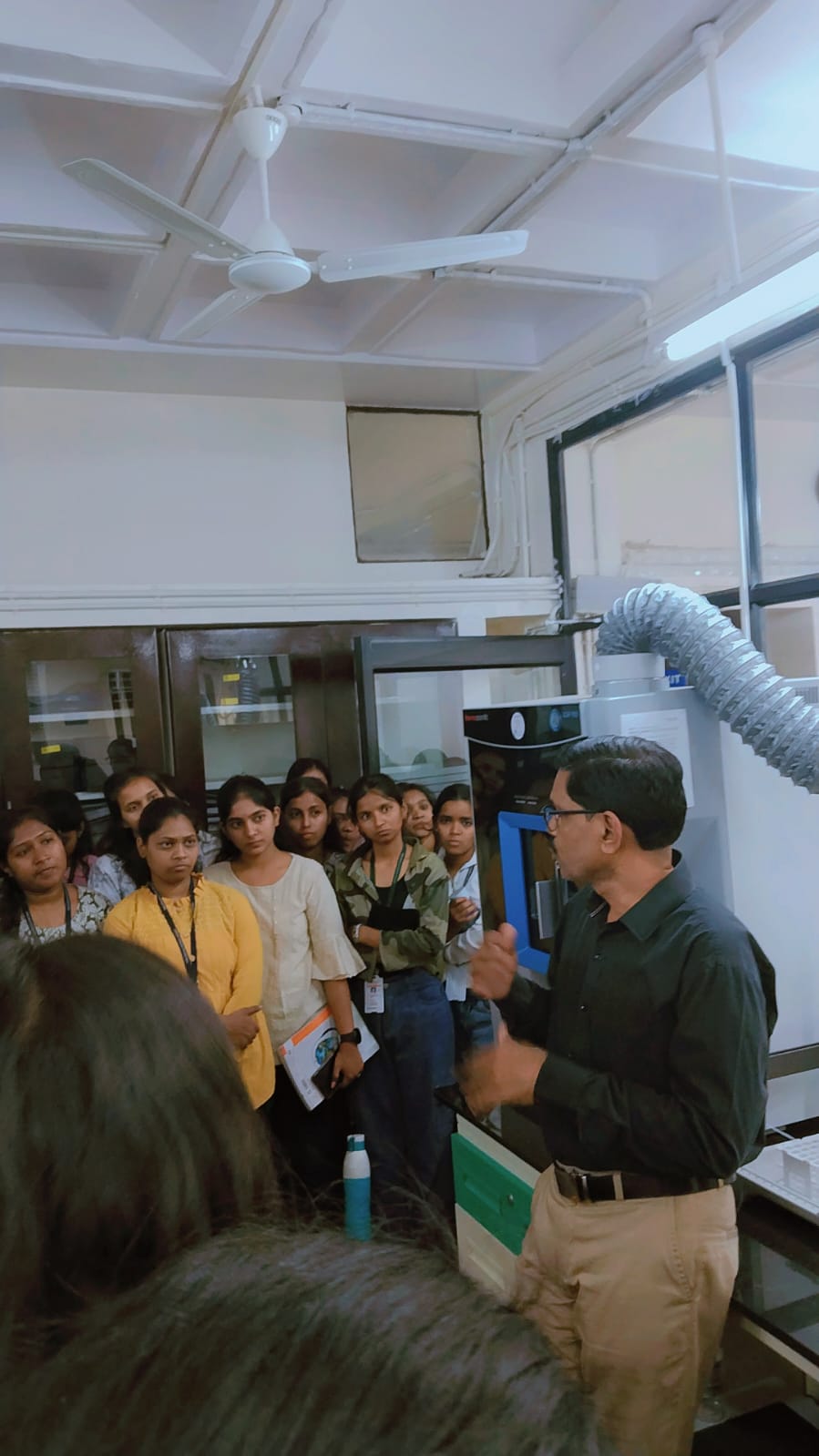 Working at NEERI Lab | 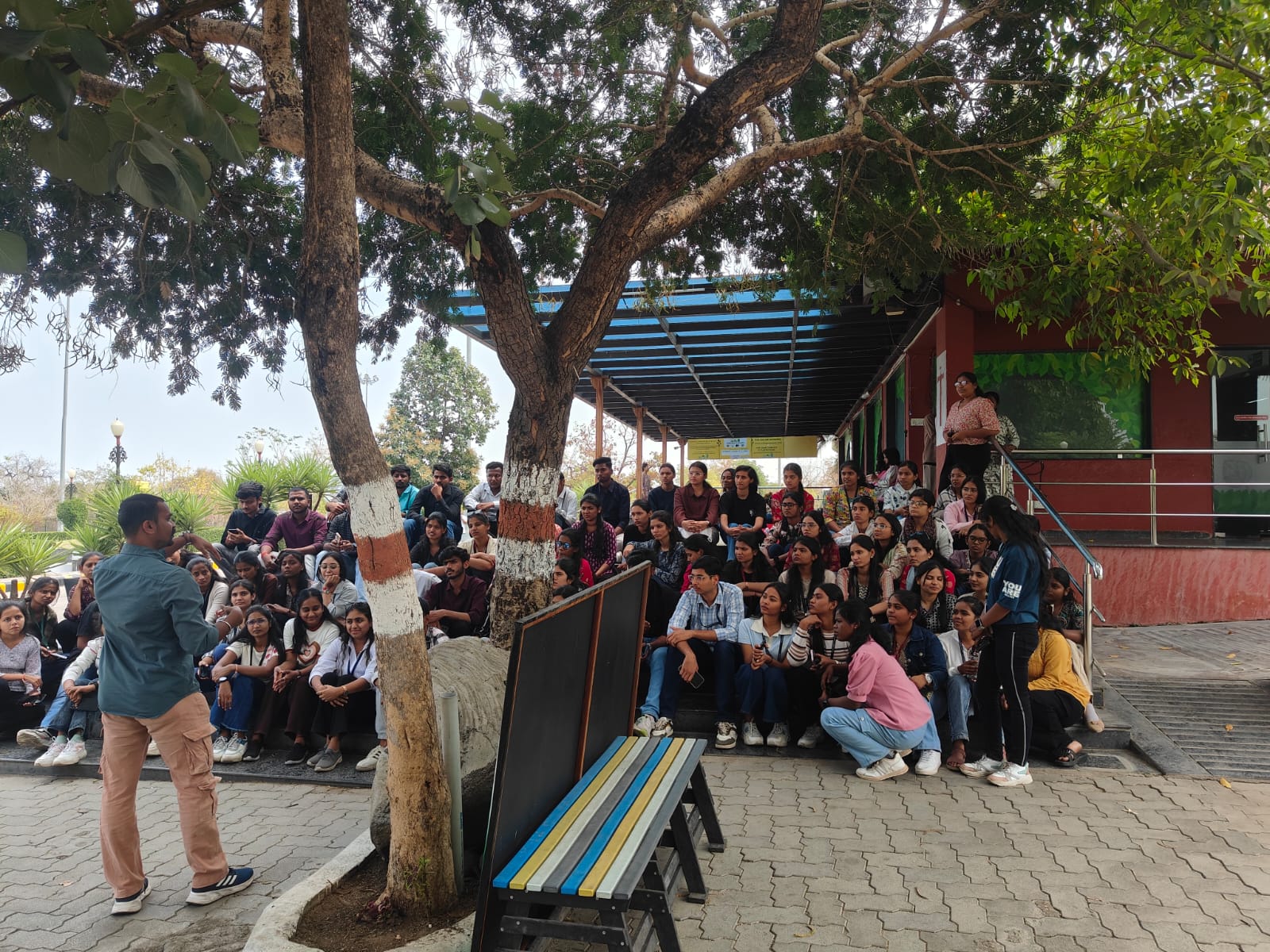 lecture by Environmentalist at Gorewada Zoo Park |
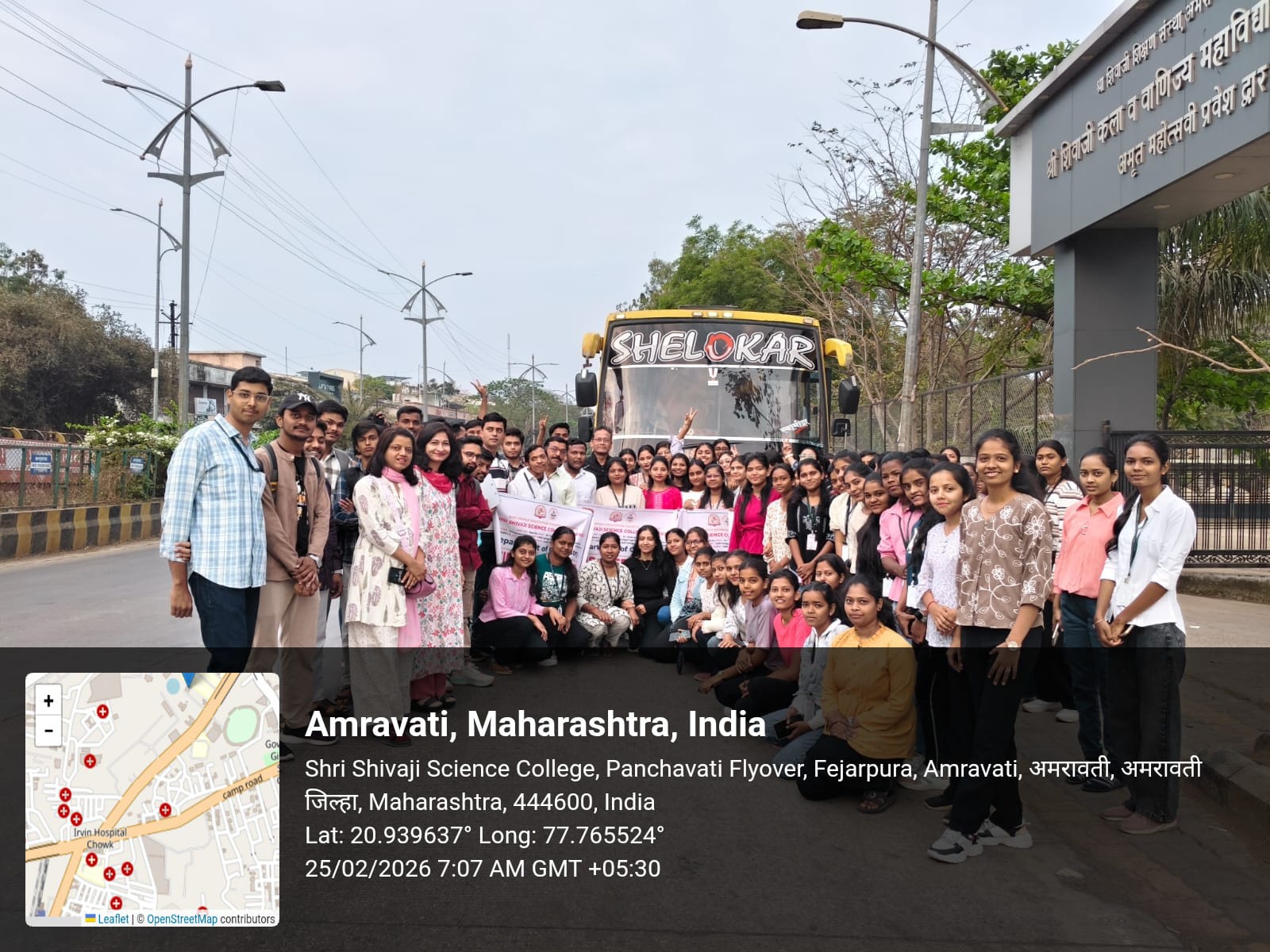 Journey from College | 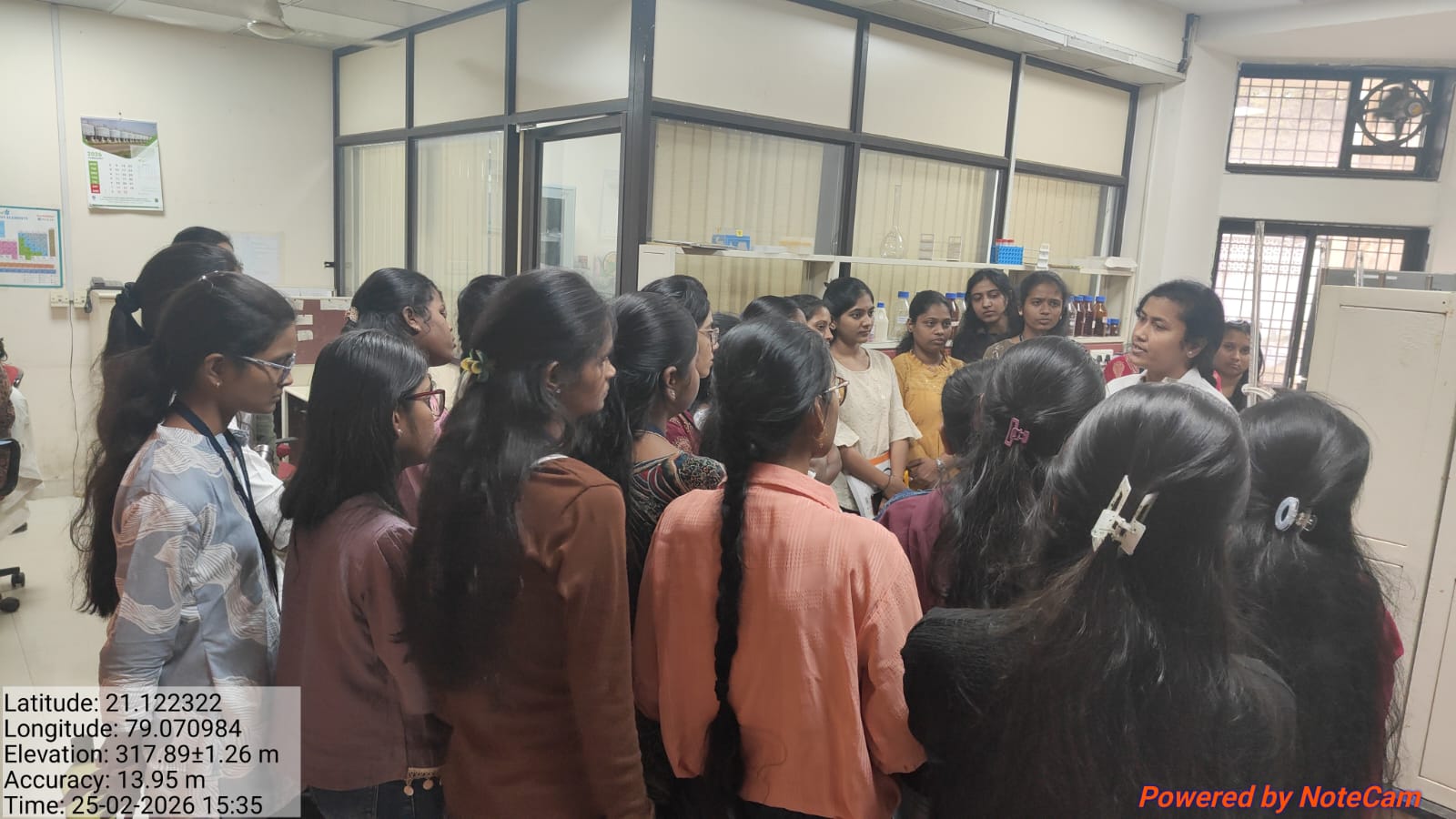 Working at NEERI |
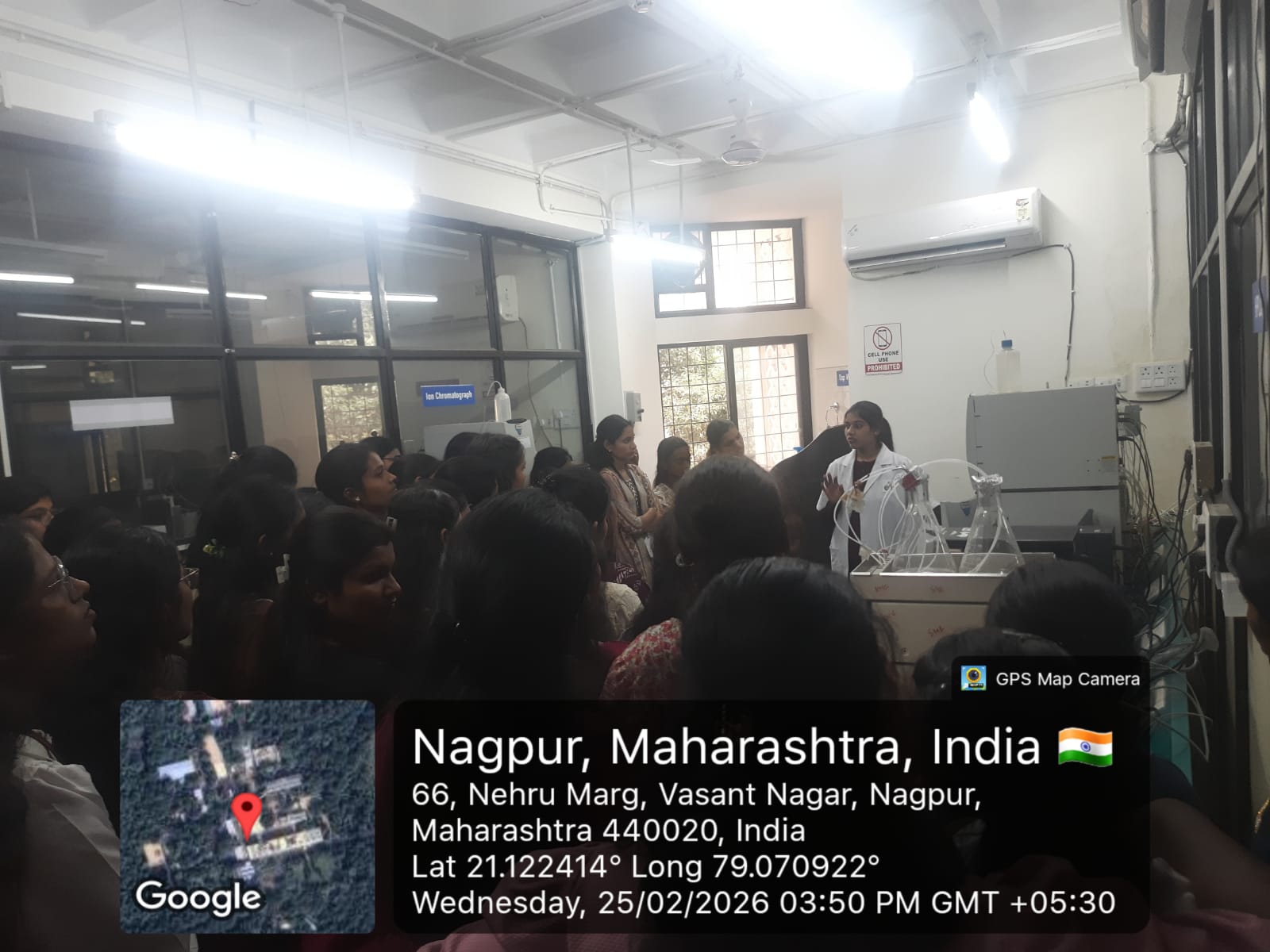 Working at NEERI Lab | 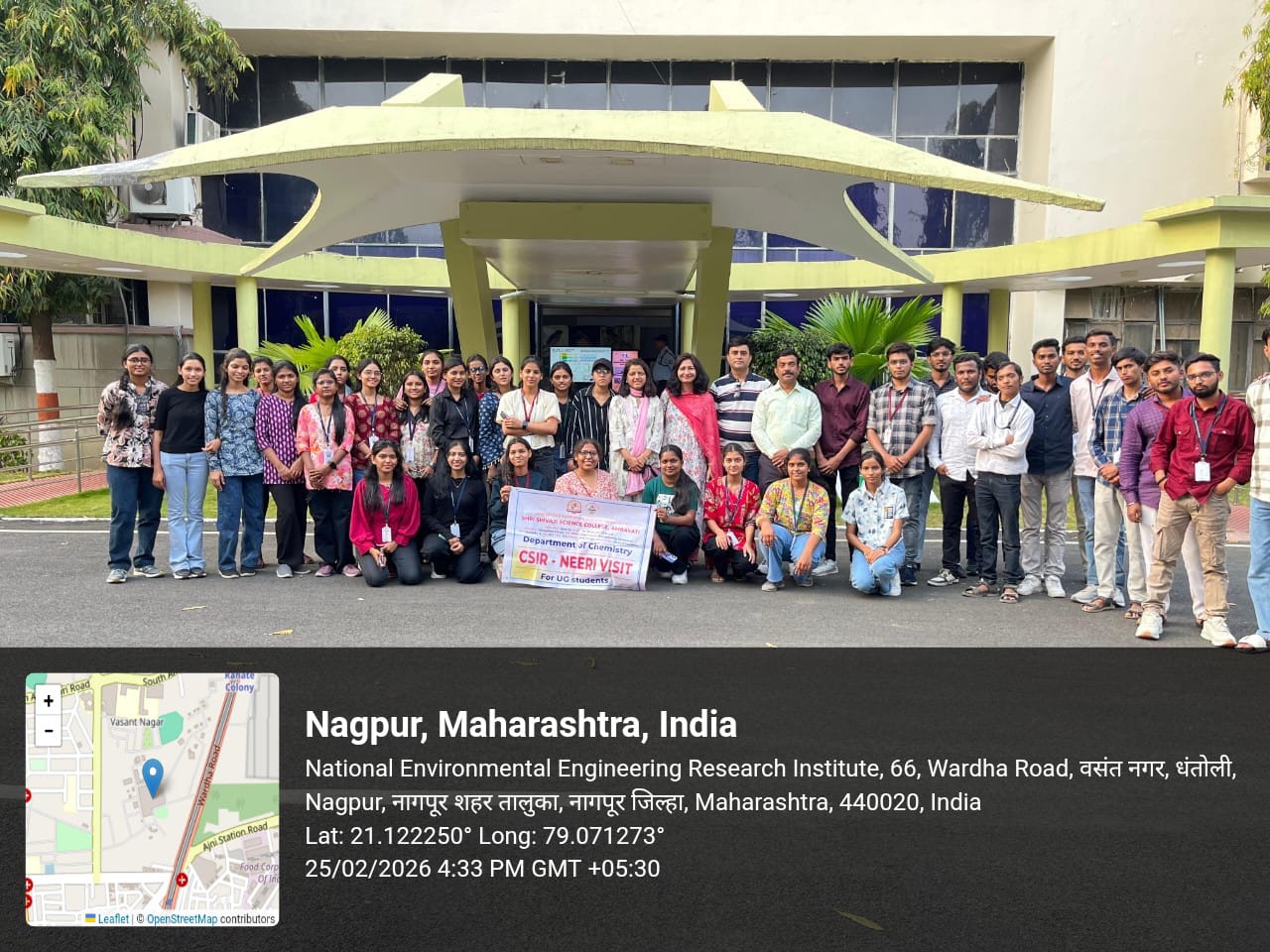 Entrance at NEERI |
Attendance Sheet:
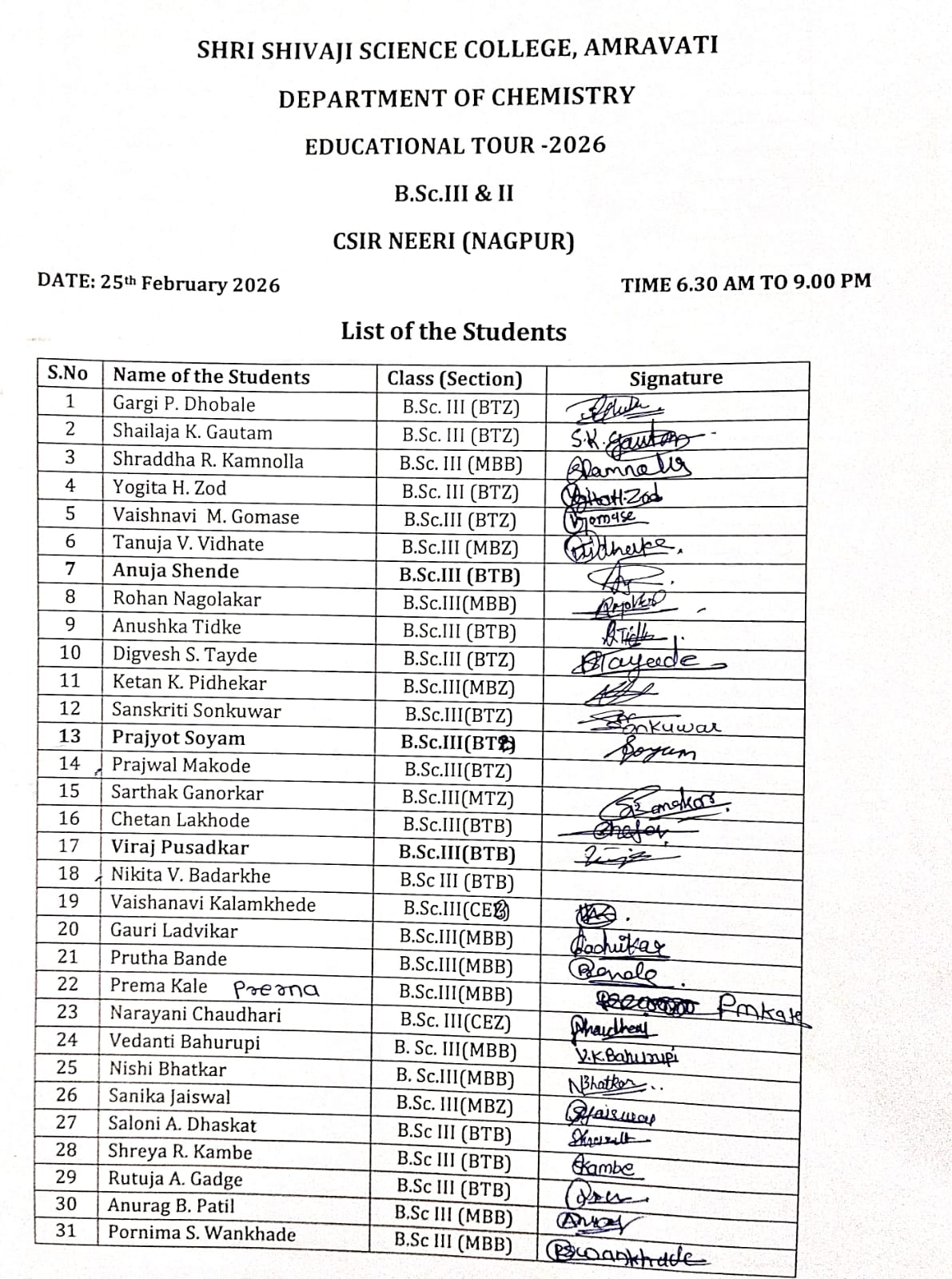 |
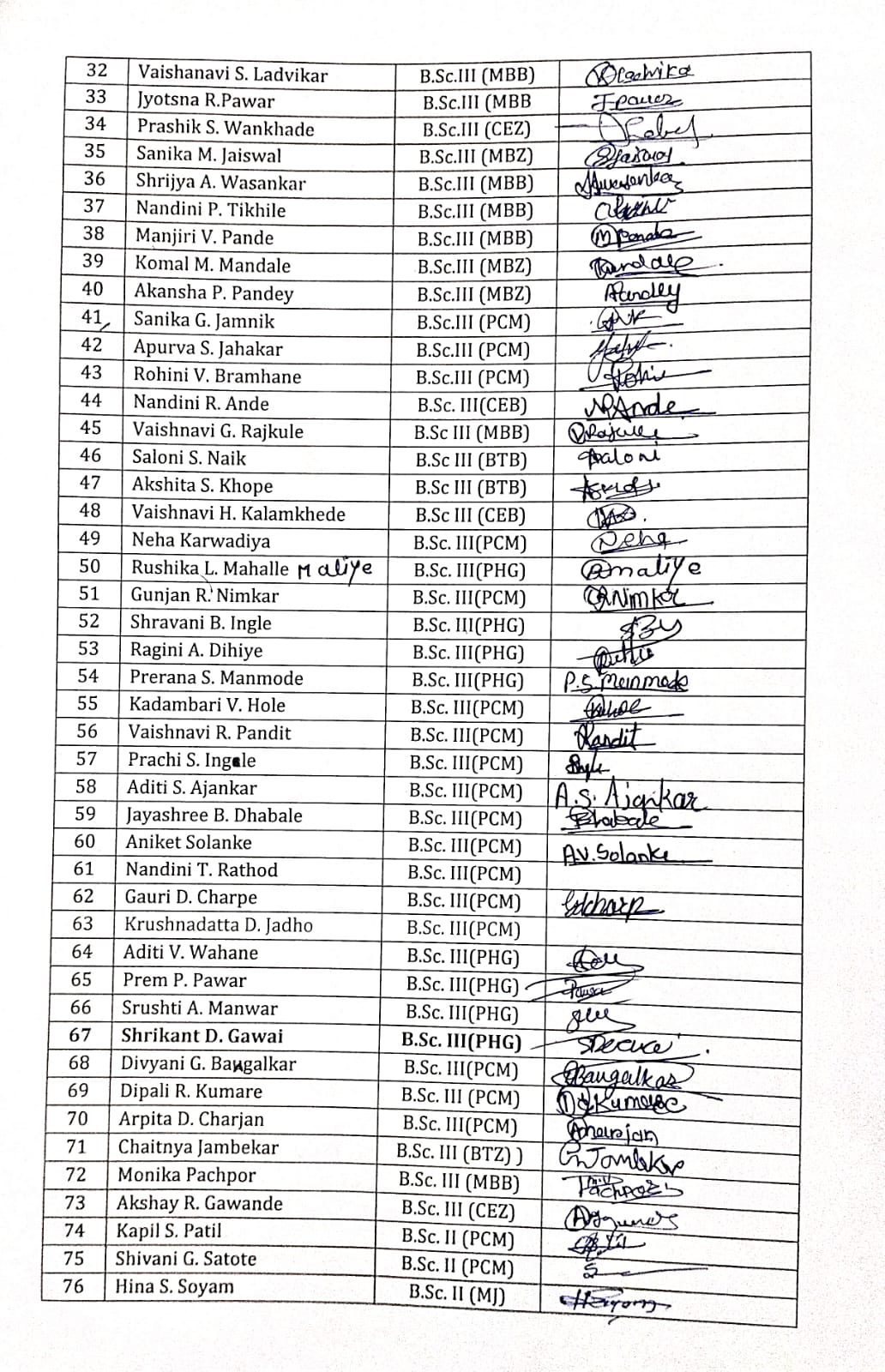 |
 |