SHRI SHIVAJI SCIENCE COLLEGE, AMRAVATI
DBT STAR COLLEGE PROJECT ACTIVITY
ACTIVITY REPORT

One Day Project Orientation Program for Minor Research Project
Activity Dates: Monday, 9th March 2026
Type of Activity: Students Workshop
Organizing Department: Department of Computer Science
Program Coordinators: Dr. U.S. Junghare and Mr. Y.V. Hushare
Head of the Department: Dr. M.M. Bhonde
External Collaborator (if any): Mr. Nakul Deshmukh
Objectives:
- To guide students in understanding research methodology and structured project development.
- To introduce students to emerging technologies such as AI, IoT, and Machine Learning.
- To enhance analytical thinking and problem-solving abilities among students.
- To provide exposure to real-world applications of computing concepts.
- To encourage innovation, creativity, and independent learning.
No of Beneficieries: 64
Classes Involved: B.Sc. Computer Application[Voc] Final Year
Venue of the Activity: A.V. Theatre
Activity Report:
Shri Shivaji Science College, Amravati
Department of Computer Science
Organizing
“One Day Project Orientation Program for Minor Research Project”
catalysed under the DBT Star College Project
Date : Monday, 9th March 2026
Target Beneficiaries : B.Sc. III Computer Application Students
Venue : A.V. Theatre
Organized by : Department of Computer Science & Application
Catalysed under : DBT Star College Project Scheme
Collaboration : iBase Solutions Pvt. Ltd. Amravati
Introduction:
The Department of Computer Science & Application of Shri Shivaji Science College organized a One Day Project Orientation Program for Minor Research Project (MRP) on 9th March 2026 at 11:00 AM in the A.V. Theatre of the college. The program was conducted under the prestigious DBT Star College Initiative in collaboration with iBase Solutions Pvt. Ltd.. The primary aim of this activity was to provide guidance and orientation to final-year undergraduate students regarding their Minor Research Projects and to expose them to modern technological domains relevant to their academic and professional growth.
A total of 64 students from B.Sc. Final Year (Computer Application) actively participated in the program. The event served as an important academic platform for students to understand the expectations, methodologies, and technical approaches required for successfully completing their research projects.
Objectives of the Activity:
1. To guide students in understanding research methodology and structured project development.
2. To introduce students to emerging technologies such as AI, IoT, and Machine Learning.
3. To enhance analytical thinking and problem-solving abilities among students.
4. To provide exposure to real-world applications of computing concepts.
5. To encourage innovation, creativity, and independent learning.
6. To prepare students for academic research and industry-oriented projects.
Inaugural Session:
The program began with an inaugural session attended by faculty members and students. The event was conducted under the leadership and guidance of Dr. M. M. Bhonde (Head, Department of Computer Science), Dr. D. D. Khedkar (Coordinator, DBT Star College Scheme), and Dr. G. V. Korpe (Principal). The dignitaries addressed the gathering and highlighted the importance of research-based learning in higher education.
They emphasized that Minor Research Projects play a crucial role in developing independent thinking, analytical ability, and technical expertise among students. The students were encouraged to utilize this opportunity to explore innovative ideas and develop solutions to real-world problems using advanced computing technologies.
The session also included a formal welcome of the resource person, Mr. Nakul Deshmukh, Director of iBase Solutions Pvt. Ltd., Amravati, who brought valuable industry experience and expertise to the program.
Expert Session by Resource Person:
The central component of the program was an expert session delivered by Mr. Nakul Deshmukh. His session was highly informative, engaging, and aligned with current industry requirements. He began by explaining the concept and significance of Minor Research Projects in academic curricula and how such projects help students bridge the gap between theoretical knowledge and practical implementation.
He elaborated on the complete lifecycle of a research project, including problem identification, literature review, methodology selection, design, development, testing, and documentation. Special emphasis was given to selecting meaningful and relevant project topics that address real-world challenges.
Mr. Deshmukh also highlighted the importance of adopting a systematic and disciplined approach while working on projects. He advised students to focus on innovation, creativity, and proper planning to ensure successful project execution. He further discussed the role of teamwork, time management, and continuous learning in achieving project goals.
Introduction to Project Domains
One of the key highlights of the program was the introduction of various Minor Research Project topics that were allotted to students. These topics were carefully selected to align with current technological advancements and industry demands.
1. The first topic discussed was Computer Vision-Based Object Detection and Recognition using Convolutional Neural Networks (CNN). Students were introduced to the fundamentals of computer vision and its applications in areas such as security systems, healthcare, and automation. The resource person explained how CNN models are used to detect and recognize objects in images and videos, making this domain highly relevant in today’s AI-driven world.
2. The second topic focused on IoT-Based Voice-Controlled Automation Systems using Raspberry Pi and Speech Recognition with Deep Learning. This topic provided insights into smart automation technologies used in modern homes and industries. Students were introduced to IoT architecture and the integration of voice commands for controlling devices, which is a rapidly growing field.
3. Another important domain covered was Predictive Modeling and Classification using Machine Learning Algorithms such as Decision Trees, Support Vector Machines (SVM), and Random Forest. The resource person explained how these techniques are used to analyse data and make predictions in areas such as business analytics, healthcare diagnostics, and financial forecasting.
4. The topic of Recommendation System Development using Collaborative Filtering and Matrix Factorization Techniques was also discussed in detail. Students learned how platforms like e-commerce websites and streaming services use recommendation systems to provide personalized user experiences.
5. The final topic introduced was Time Series Forecasting using ARIMA and LSTM Neural Network Models. The resource person explained how time-based data is analysed to predict future trends in domains such as weather forecasting, stock market analysis, and demand prediction.
Each topic was explained with practical examples and real-world applications, making it easier for students to understand the relevance and scope of their projects.
Interactive Learning and Student Engagement:
The program was highly interactive, allowing students to actively participate and engage with the resource person. Students asked questions related to project implementation, tool selection, and technical challenges. Mr. Deshmukh addressed these queries with detailed explanations and practical suggestions.
He also shared his industry experiences and case studies, which provided valuable insights into how projects are developed and implemented in real-world scenarios. This interaction helped students gain a better understanding of industry expectations and the practical aspects of software development and research.
Students were also guided on various important aspects such as selecting appropriate programming languages, using development frameworks, managing project timelines, and preparing project documentation. The importance of maintaining originality and avoiding plagiarism in research work was also emphasized.
Impact on Students
The orientation program had a significant positive impact on the participating students. It helped them gain clarity about their project topics and boosted their confidence in handling research-based assignments. Students were able to understand the importance of applying theoretical knowledge to practical problems and developing innovative solutions.
The exposure to advanced technologies such as Artificial Intelligence, Machine Learning, Internet of Things, and Data Science motivated students to explore these domains further. The program also encouraged students to adopt a problem-solving mindset and work collaboratively to achieve better results.
Conclusion
The One Day Project Orientation Program was successfully conducted and achieved its intended objectives. It provided a comprehensive understanding of Minor Research Projects and equipped students with the necessary knowledge and skills required for their successful completion.
The collaboration with iBase Solutions Pvt. Ltd., Amravati added significant value to the program by bringing industry expertise into the academic environment. The session not only enhanced students’ technical knowledge but also inspired them to pursue innovation and research-oriented learning.
Overall, the program proved to be highly beneficial and contributed to the academic and professional development of the students. The Department of Computer Science & Application looks forward to organizing similar initiatives in the future to strengthen research culture and promote excellence in education.
The hard work of Departmental DBT scheme coordinators Dr. U.S. Junghare, Mr. Y.V. Hushare along with the Activity In-charge Ms. S.D. Sarde and Ms. M.G. Chavan helps to the successful and smooth conduction of this Project Orientation Program.
Outcomes:
- Students developed a clear understanding of Minor Research Project execution.
- Improved knowledge of advanced computing domains and technologies.
- Enhanced confidence in selecting and implementing project ideas.
- Strengthened analytical and critical thinking skills.
- Better awareness of industry practices and expectations.
Photos:
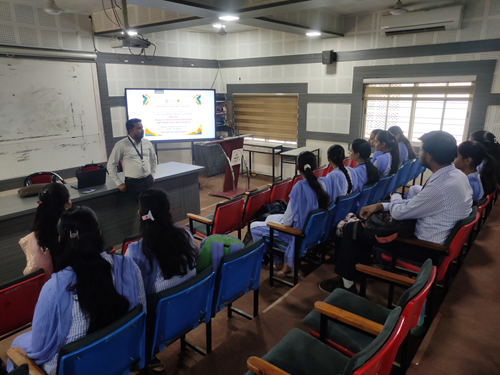 1_Resource Person conducting One Day Project Orientation Program for Minor Research Project | 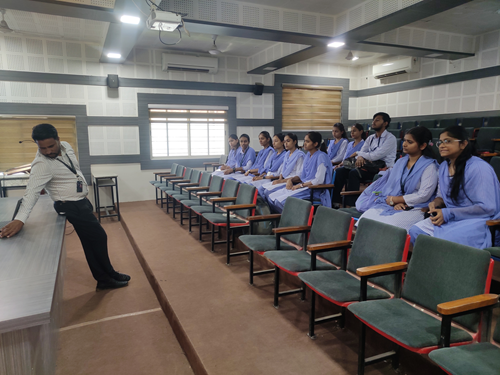 2_Resource Person conducting interactive session in One Day Project Orientation Program for Minor Research Project |
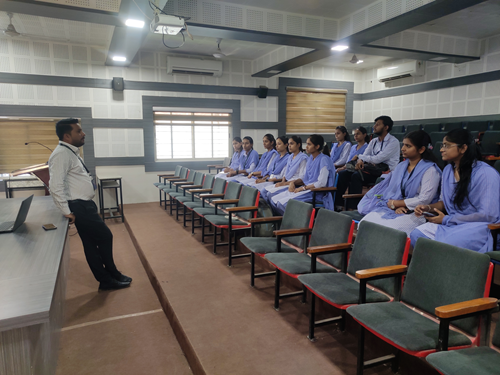 3_A DBT activity One Day Project Orientation Program for Minor Research Project | 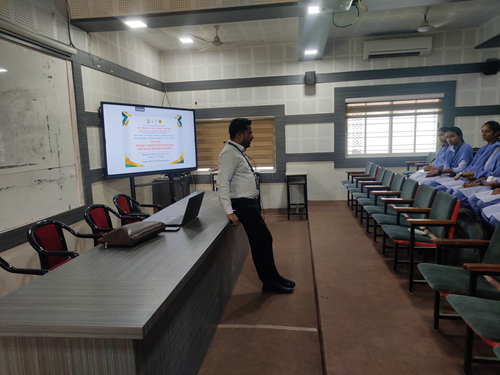 4_Active Participation of students in One Day Project Orientation Program for Minor Research Project_ |
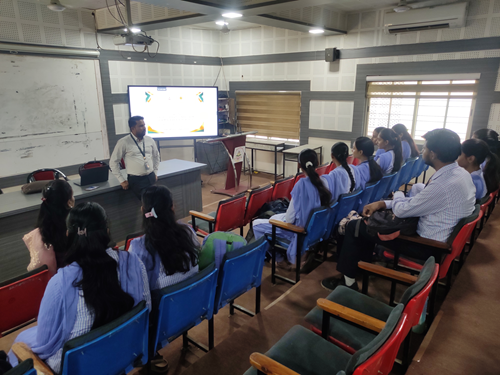 5_Glimpses of One Day Project Orientation Program for Minor Research Project_ | 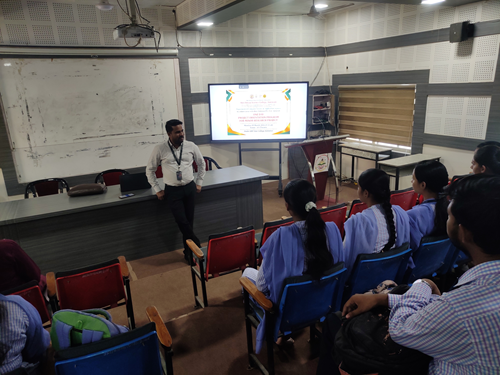 6_Glimpses of One Day Project Orientation Program for Minor Research Project_ |
Attendance Sheet:
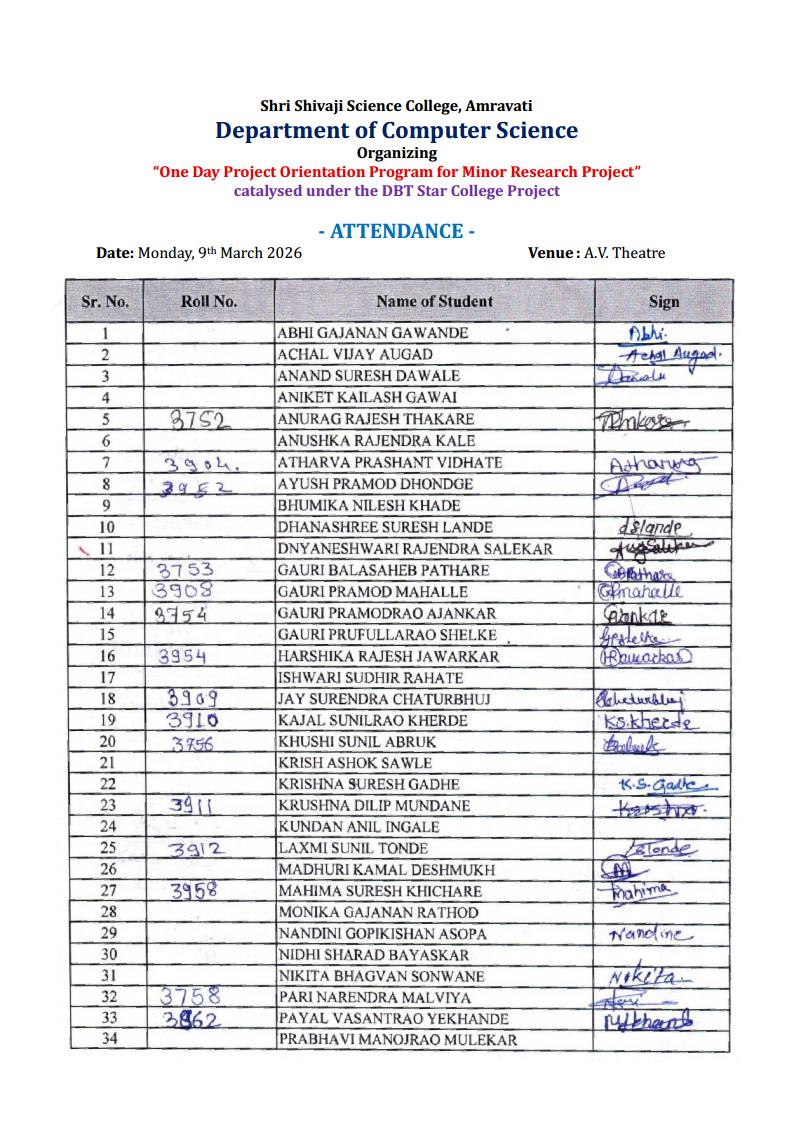 |
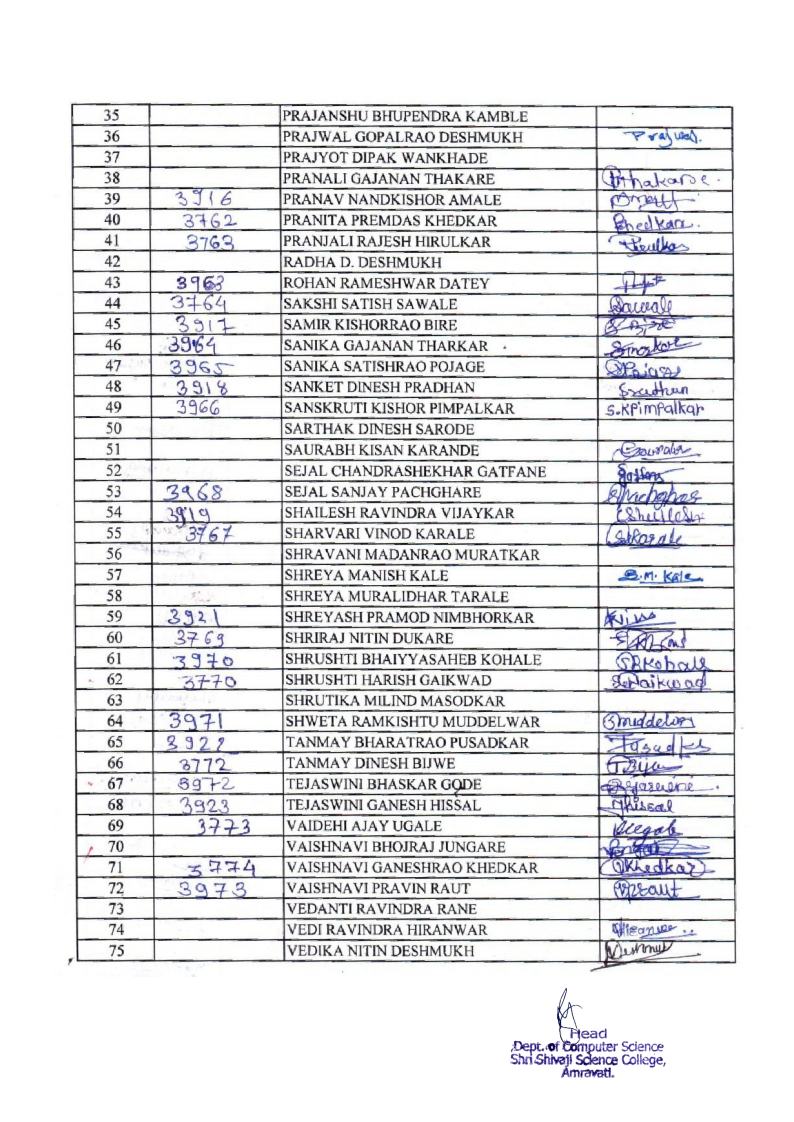 |