SHRI SHIVAJI SCIENCE COLLEGE, AMRAVATI
DBT STAR COLLEGE PROJECT ACTIVITY
ACTIVITY REPORT

Botanical Excursion 2025 at Aamjhari & Nearer Region melghat forest
Activity Dates: 16.09.2025
Type of Activity: Field Studies
Organizing Department: Department of Botany & Bioinformatics
Program Coordinators: Dr. A. S. Kale
Head of the Department: Dr. D. D. Khedkar
External Collaborator (if any): NA
Objectives:
- To study the natural vegetation and plant diversity of the Melghat forest region.
- 2. To provide field-based learning experience beyond classroom teaching.
- 3. To identify and document various plant species and their ecological importance.
- 4. To understand forest ecosystem structure and interactions among organisms.
- 5. To develop observational, analytical, and field research skills among students.
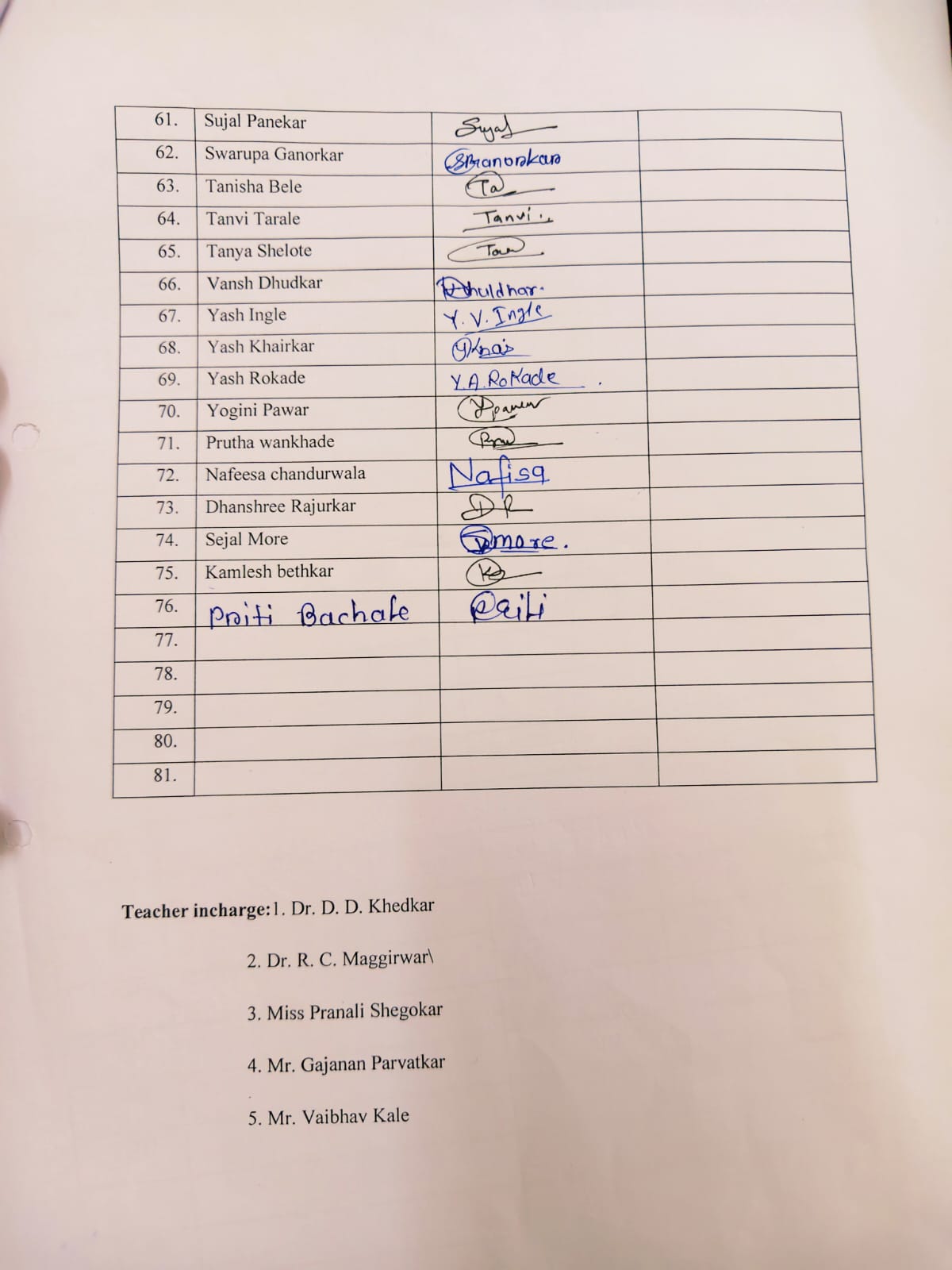
No of Beneficieries: 74
Classes Involved: BSc 1
Venue of the Activity: Aamjhari & Nearer Region Melghat forest
Activity Report:
The Department of Botany, Shri Shivaji Science College, Amravati, successfully organized a Botanical Excursion 2025 at Aamjhari and the nearby region of the Melghat forest on 16 September 2025 under the DBT Star College Project. The activity was conducted as an educational tour with the primary aim of providing students with field-based exposure to natural vegetation, biodiversity, and ecological interactions. A total of 74 students from B.Sc. Part I actively participated in the excursion under the guidance of Dr. A. S. Kale, Program Coordinator, and the leadership of Dr. D. D. Khedkar, Head of the Department. The excursion was carefully planned to bridge the gap between theoretical knowledge and practical understanding by immersing students in a real forest ecosystem.
The program began early in the morning with the departure of students and faculty members from the college premises. Prior to departure, students were briefed about the objectives of the excursion, safety guidelines, and expected learning outcomes. The journey to Aamjhari provided an opportunity for informal interaction and discussion about forest ecology, plant diversity, and the significance of protected forest areas like Melghat. Upon arrival, the group was introduced to the local environment, climatic conditions, and geographical features of the region, which set the foundation for the field study.
The Melghat forest region, known for its rich biodiversity and unique ecological significance, served as an ideal location for the botanical excursion. The area is characterized by dry deciduous forest vegetation, comprising a variety of trees, shrubs, herbs, and climbers. Students were exposed to a wide range of plant species, including economically and medicinally important plants. During the field visit, they observed dominant tree species, understory vegetation, and seasonal flora, which helped them understand plant distribution patterns and ecological adaptations.
One of the key activities during the excursion was the identification and documentation of plant species. Students were encouraged to observe morphological features such as leaf arrangement, flower structure, bark texture, and fruit characteristics. Faculty members guided them in identifying plant species using field keys and local knowledge. Students maintained field notebooks where they recorded observations, sketched plant parts, and noted ecological information such as habitat, abundance, and associated species. This hands-on approach enhanced their understanding of plant taxonomy and systematics.
In addition to plant identification, the excursion focused on understanding ecological interactions within the forest ecosystem. Students observed the relationships such as plant-animal interactions, pollination mechanisms, seed dispersal strategies, and symbiotic associations. They also studied the stratification of vegetation and the role of different plant groups in maintaining ecological balance. Discussions were held on topics such as nutrient cycling, soil composition, and the impact of environmental factors on plant growth. This comprehensive exposure helped students appreciate the complexity and interdependence of natural ecosystems.
The excursion also highlighted the importance of biodiversity conservation and sustainable use of natural resources. Students were made aware of the threats faced by forest ecosystems, including deforestation, habitat degradation, and climate change. Faculty members emphasized the need for conservation efforts and responsible behavior towards nature. The visit to the Melghat region served as a reminder of the rich natural heritage of the area and the role of individuals in its preservation.
Interactive sessions and group discussions were conducted during the excursion to encourage student participation and critical thinking. Students shared their observations, asked questions, and engaged in meaningful discussions with faculty members. These interactions not only clarified their doubts but also stimulated curiosity and interest in the subject. The informal learning environment allowed students to connect theoretical concepts with real-life observations, making the learning process more effective and enjoyable.
The excursion also contributed to the development of essential skills among students. They learned how to conduct field surveys, collect and record data systematically, and work collaboratively in groups. The experience enhanced their observational skills, analytical thinking, and ability to interpret ecological data. Students also developed a sense of discipline, responsibility, and teamwork, which are crucial for their academic and professional growth.
In addition, students were introduced to basic techniques of herbarium preparation and specimen preservation. They were guided on how to collect plant samples ethically without disturbing the natural habitat and how to press, dry, and label specimens for academic purposes. This practical exposure provided them with foundational skills required for botanical research and documentation. The importance of proper labeling, including details such as date, location, habitat, and collector’s name, was emphasized to ensure scientific accuracy and usefulness of the specimens.
Furthermore, the excursion created awareness about the role of local communities in forest conservation and sustainable resource management. Students learned about traditional knowledge systems and the use of medicinal plants by indigenous people in the region. This interaction helped them understand the socio-economic importance of biodiversity and the need to integrate scientific and traditional approaches for effective conservation strategies.
The program concluded with a brief review session where students reflected on their experiences and learning outcomes. The faculty members provided feedback and encouraged students to continue exploring the field of botany and environmental science. The return journey was marked by enthusiastic discussions and sharing of experiences among students, indicating the success of the excursion in achieving its objectives.
Overall, the Botanical Excursion 2025 was a the highly informative and enriching experience for the students. It successfully provided practical exposure to plant diversity, ecological concepts, and conservation issues. The activity complemented classroom teaching and contributed to holistic learning by integrating theory with practice. The active participation of students and the dedicated efforts of the faculty ensured the smooth conduct of the program.
The Department of Botany expresses its gratitude to the management of Shri Shivaji Education Society for their support and encouragement in organizing such activities under the DBT Star College Project. The excursion proved to be a valuable academic exercise that not only enhanced the knowledge and skills of students but also inspired them to develop a deeper appreciation for nature and the environment. Such initiatives play a vital role in the nurturing scientific temperament and environmental awareness among students, thereby contributing to their overall development.
Outcomes:
- Students gained practical knowledge of plant identification and taxonomy.
- Enhanced understanding of forest ecology and biodiversity conservation.
- Improved skills in field observation, data collection, and documentation.
- Increased awareness about the importance of natural resources and sustainability.
- Developed interest in research and environmental studies among students.
Photos:
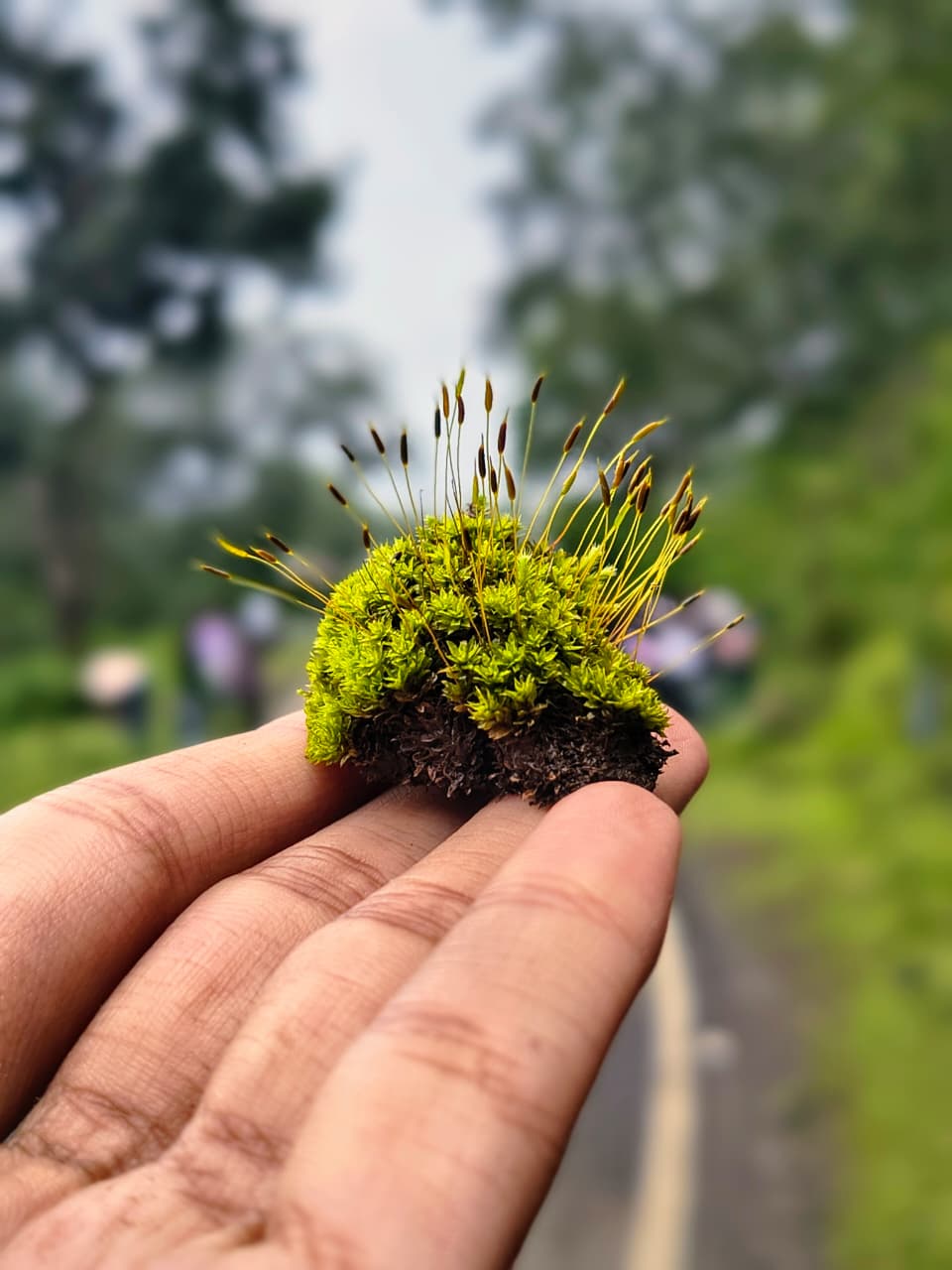 Collected Samples | 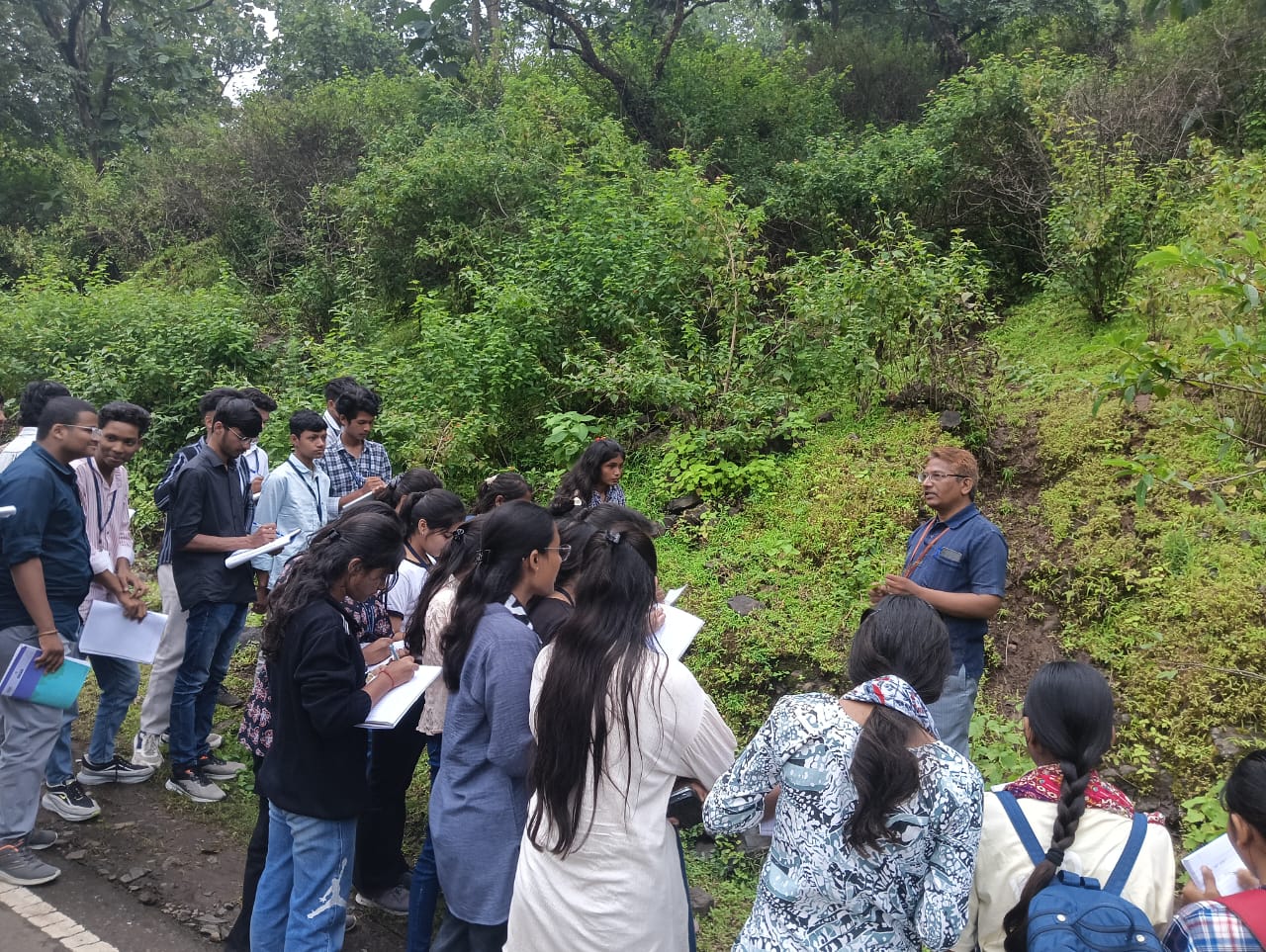 Explanation on Field |
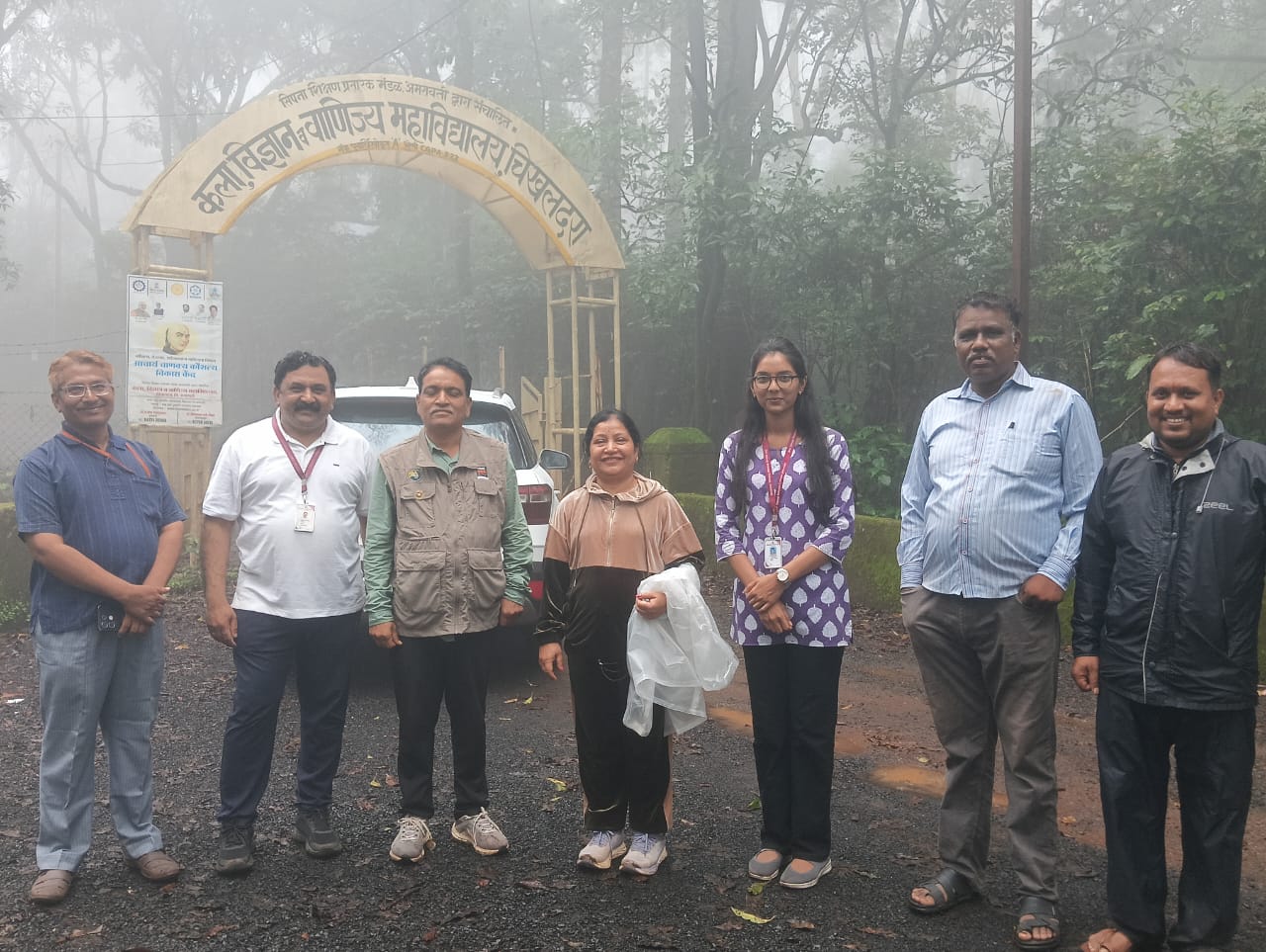 Teaching and Non-teaching staff | 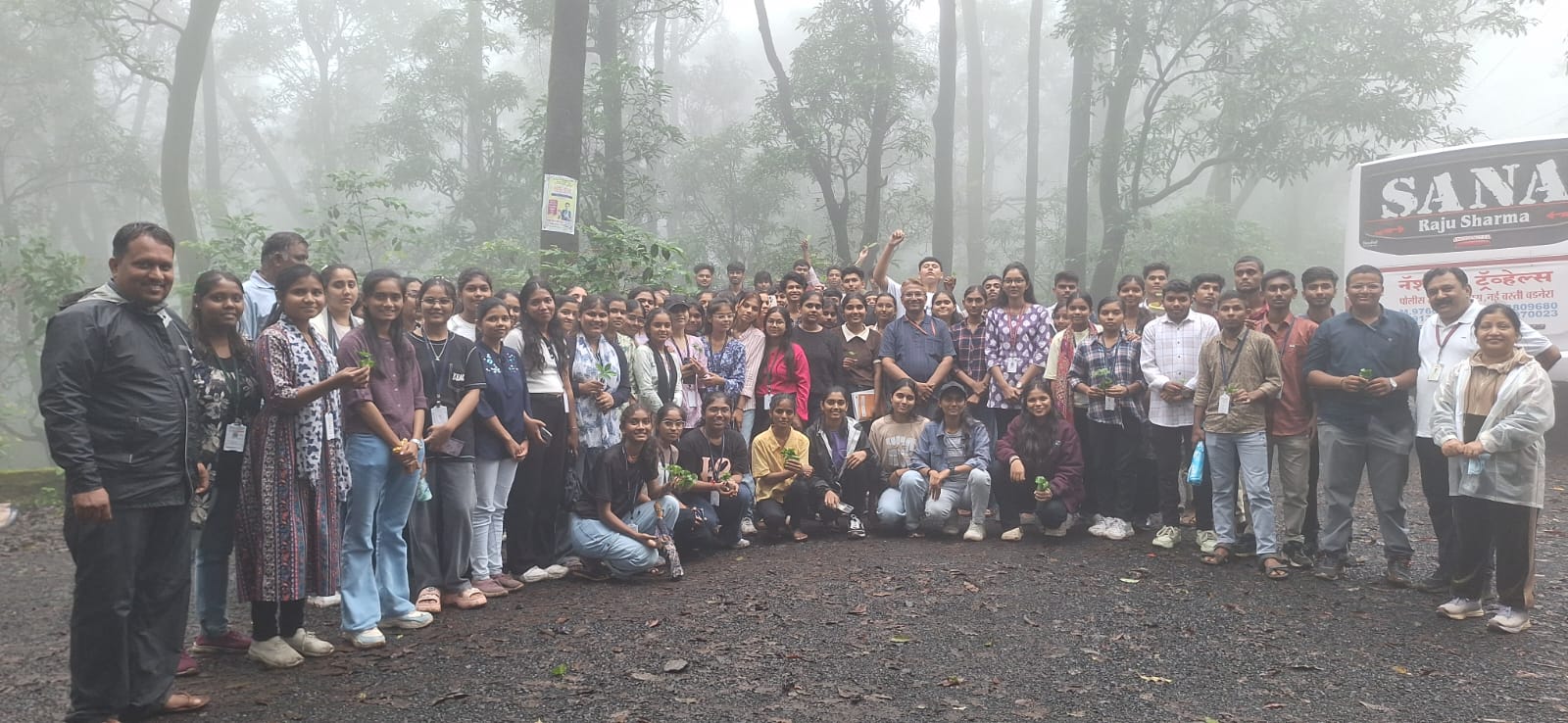 Photo on Field |
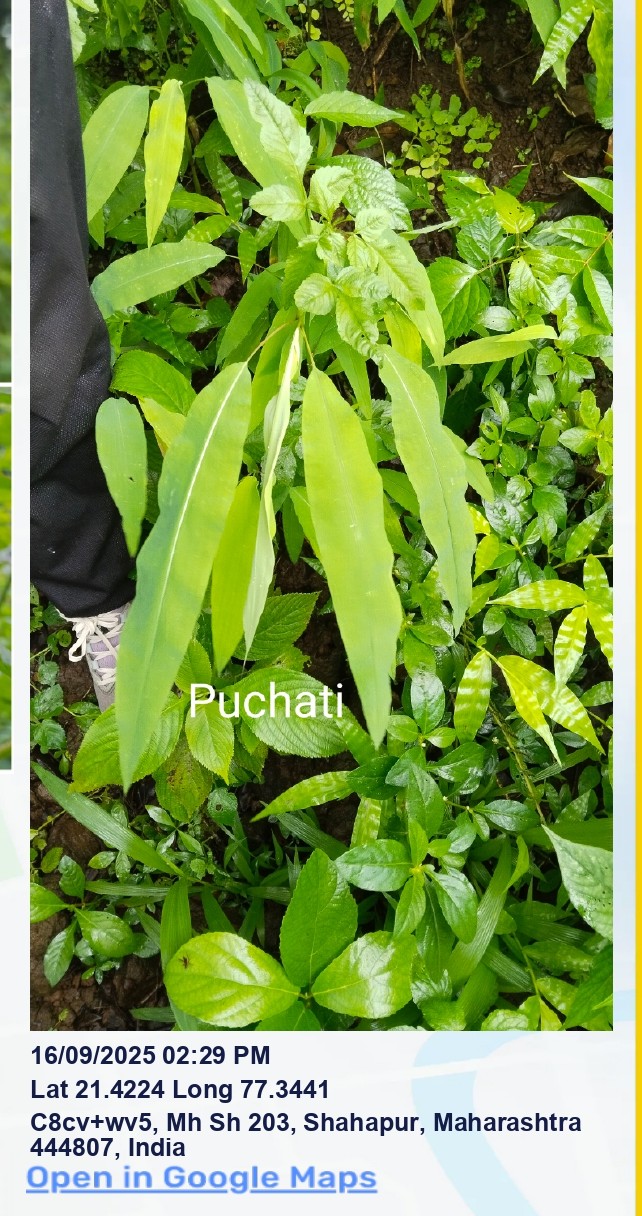 Plants of field | 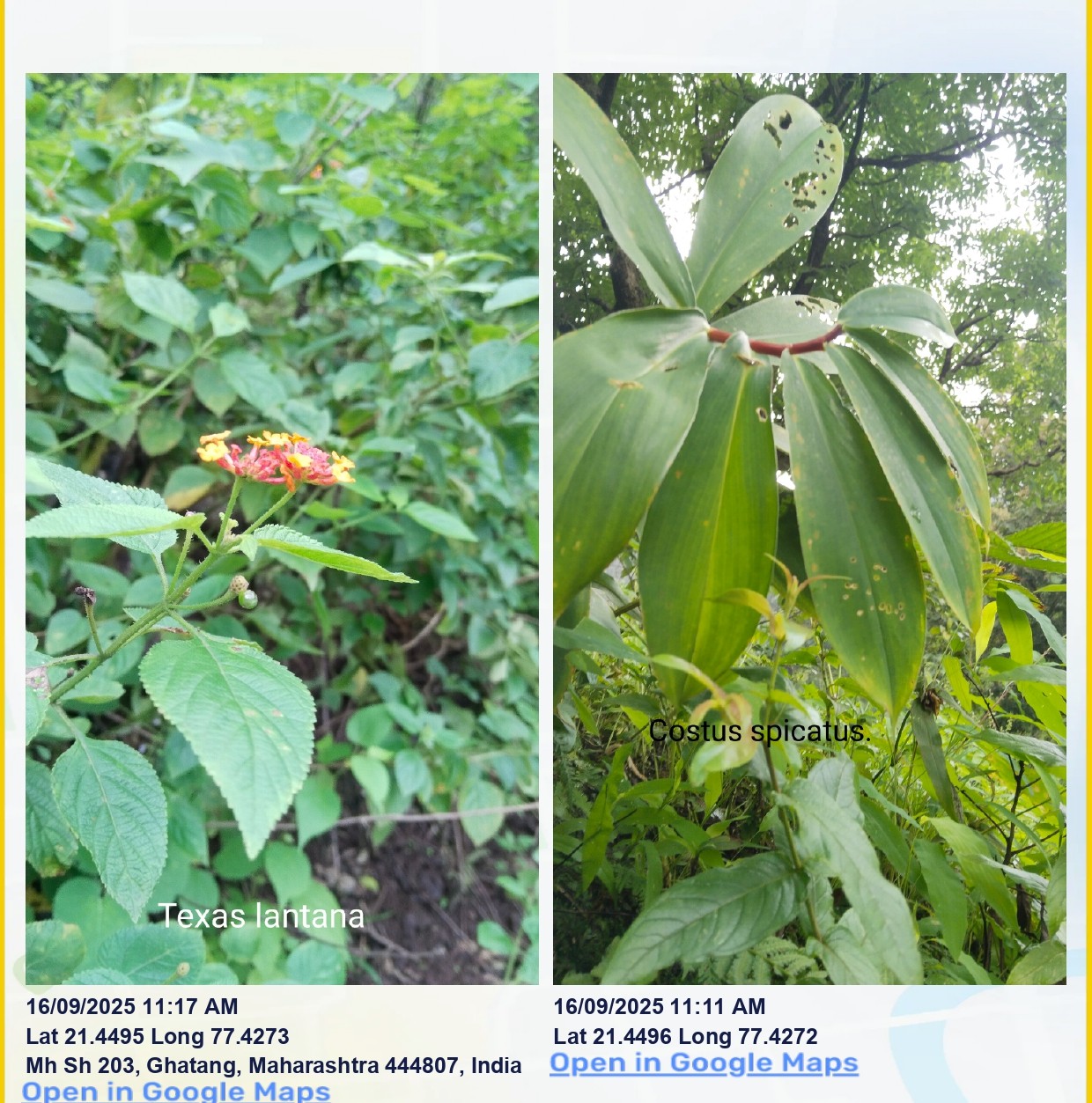 Plants of field |
Attendance Sheet:
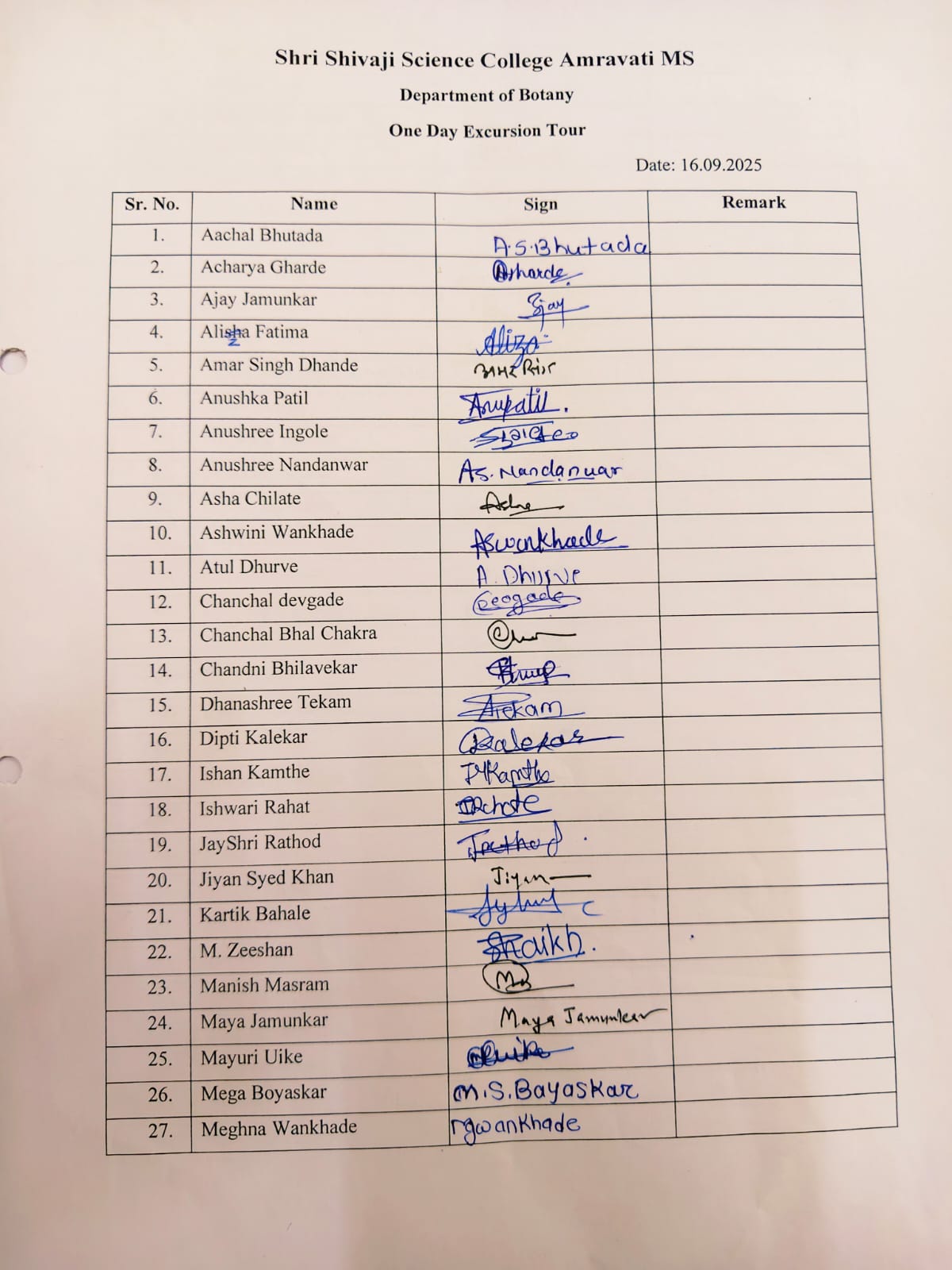 |
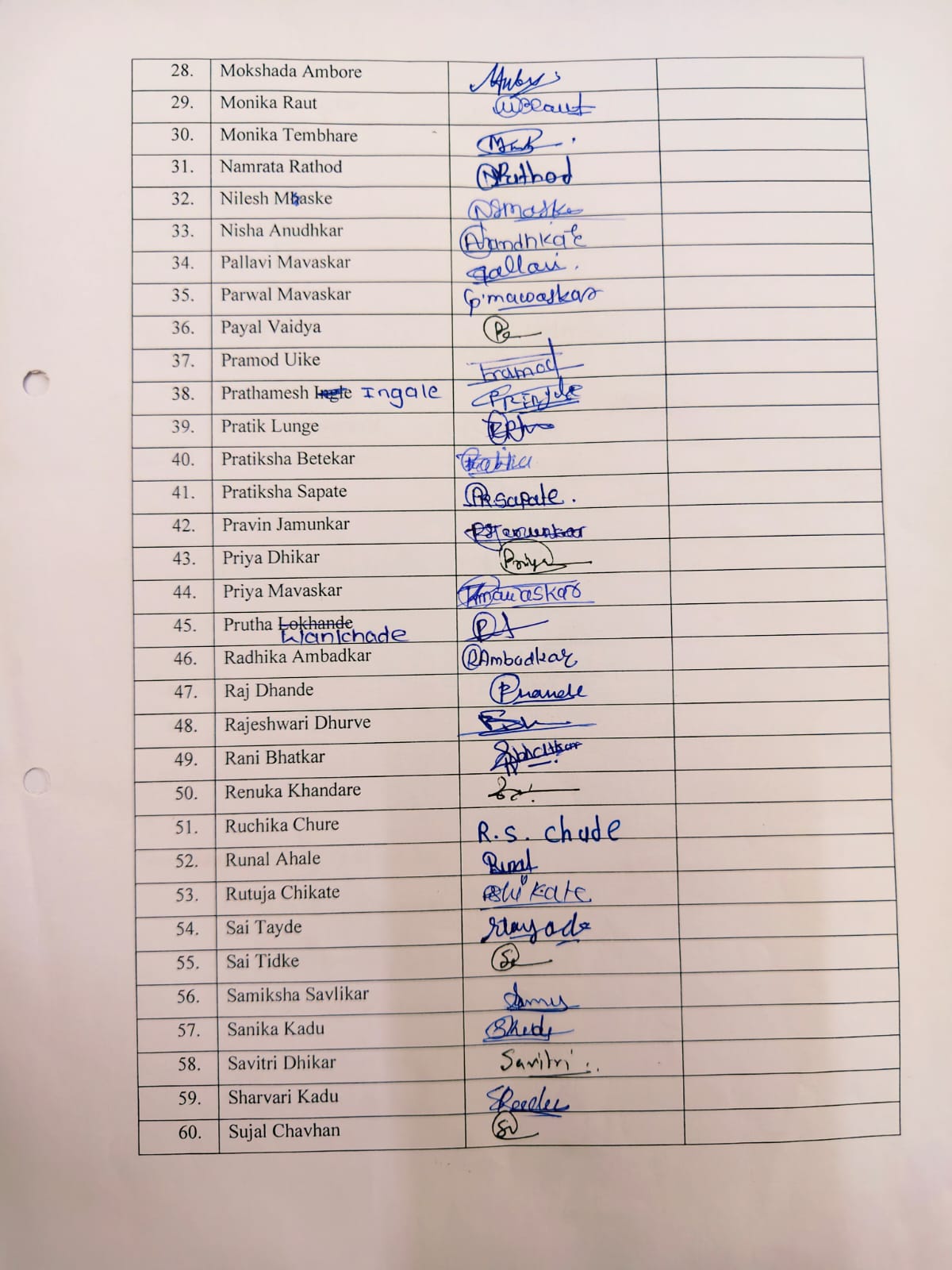 |
 |