SHRI SHIVAJI SCIENCE COLLEGE, AMRAVATI
DBT STAR COLLEGE PROJECT ACTIVITY
ACTIVITY REPORT

One day Workshop on “Solid waste management using vermicomposting"
Activity Dates: 08.09.2025
Type of Activity: Students Workshop
Organizing Department: Department of Botany & Bioinformatics
Program Coordinators: Dr. A. S. Kale
Head of the Department: Dr. D. D. Khedkar
External Collaborator (if any): NA
Objectives:
- 1. To create awareness about solid waste management.
- 2. To train students in vermicomposting techniques.
- 3. To develop skills in converting waste into compost.
- 4. To promote eco-friendly and sustainable practices.
- 5. To understand the importance of organic waste recycling.
No of Beneficieries: 30
Classes Involved: BSc
Venue of the Activity: Department of Botany, Shri Shivaji Science College Amravati
Activity Report:
The Department of Botany, Shri Shivaji Science College, Amravati, organized a one-day workshop on “Solid Waste Management Using Vermicomposting” on 08 September 2025 as part of its extension activity for B.Sc. students. The program was conducted under the guidance of the Head of the Department, Dr. D. D. Khedkar, and was coordinated by Dr. A. S. Kale. A total of 30 students actively participated in the workshop, which was held in the Department of Botany. The activity was designed with the aim of creating awareness about sustainable waste management practices and equipping students with practical knowledge of vermicomposting techniques.
The program commenced with an introductory session where the importance of solid waste management in today’s environmental context was discussed. The increasing generation of waste due to population growth, urbanization, and changing lifestyles has become a major concern. Students were made aware of the harmful effects of improper waste disposal, including soil pollution, water contamination, and health-related issues. The need for adopting eco-friendly and sustainable methods for waste management was emphasized, and students were encouraged to take responsibility for reducing waste at the individual level. Real-life examples and case studies were also discussed to make students understand the severity of the issue and the urgent need for effective solutions.
The workshop further elaborated on the concept of waste segregation, which is a crucial step in effective waste management. Students were introduced to the classification of waste into biodegradable and non-biodegradable categories. The importance of segregating waste at the source was highlighted as it facilitates easier processing and recycling. The session also emphasized the role of individuals and communities in maintaining cleanliness and reducing environmental degradation through responsible waste handling practices. Students were encouraged to adopt simple habits such as separating kitchen waste and minimizing the use of plastic materials in daily life.
The main focus of the workshop was on vermicomposting, a biological process that utilizes earthworms to convert organic waste into nutrient-rich compost. The scientific principles underlying vermicomposting were explained in detail. Students learned about the types of earthworms commonly used, such as Eisenia fetida, and their role in decomposing organic matter. The environmental conditions necessary for efficient vermicomposting, including adequate moisture, temperature, and aeration, were also discussed. The benefits of vermicomposting, such as improved soil fertility, enhanced plant growth, and reduction in the use of chemical fertilizers, were highlighted. The ecological significance of vermicomposting in reducing landfill waste and promoting a circular economy was also explained.
A practical demonstration session formed an important part of the workshop, allowing students to gain hands-on experience. During this session, students were shown how to prepare a vermicomposting unit using simple and locally available materials. The process began with the preparation of a suitable container, followed by the addition of bedding materials such as soil and partially decomposed organic matter. Biodegradable waste such as vegetable peels and plant residues was then added in layers. Earthworms were introduced into the setup, and the importance of maintaining optimal moisture levels was explained. Students were also guided on how to regularly monitor the composting process and ensure proper aeration. Additional tips were provided regarding the maintenance of hygiene and proper handling of organic waste during the process.
The demonstration was highly interactive, with students actively participating in each step. They were encouraged to ask questions and clarify their doubts regarding the process. Common challenges faced during vermicomposting, such as foul odor, excessive moisture, pest infestation, and improper decomposition, were discussed along with practical solutions. This interactive approach helped students develop confidence in setting up and managing vermicomposting systems independently. Students also recorded observations and noted important steps for future reference.
An engaging discussion session followed the practical demonstration, where students shared their views and experiences. They expressed interest in implementing vermicomposting practices in their homes and local communities. The discussion also focused on the broader impact of such practices in promoting sustainable development and environmental conservation. Students were motivated to act as responsible citizens and contribute towards reducing waste and protecting natural resources. The importance of community participation and awareness campaigns was also highlighted.
The workshop received a very positive response from the participants. Students showed enthusiasm and keen interest throughout the sessions. The combination of theoretical knowledge and practical training made the program highly effective and informative. The activity provided a valuable platform for experiential learning, enabling students to understand the practical applications of concepts studied in the classroom. It also encouraged teamwork and collaborative learning among participants.
The outcomes of the workshop were significant and aligned with its objectives. Students gained a clear understanding of the importance of solid waste management and the role of vermicomposting as an eco-friendly solution. They developed practical skills in converting biodegradable waste into compost and learned how to maintain vermicomposting units. Their awareness regarding environmental issues and sustainable practices was greatly enhanced. The workshop also instilled a sense of responsibility among students towards adopting eco-friendly habits in their daily lives. Some students also expressed willingness to initiate small-scale composting projects in their surroundings.
Furthermore, the activity contributed to the overall development of students by enhancing their scientific understanding and practical skills. It encouraged critical thinking and problem-solving abilities, especially in addressing real-life environmental challenges. The knowledge gained through the workshop is expected to benefit students not only academically but also in their personal and professional lives. It also strengthened their interest in environmental science and sustainable agricultural practices.
In conclusion, the one-day workshop on “Solid Waste Management Using Vermicomposting” was successfully conducted by the Department of Botany and proved to be highly beneficial for the participating students. The program effectively combined awareness, education, and practical training to promote sustainable waste management practices. It helped bridge the gap between theoretical knowledge and practical application, making learning more meaningful and impactful. The workshop also reinforced the importance of environmental conservation and inspired students to adopt sustainable practices. Overall, the activity achieved its intended objectives and contributed positively to the academic growth and environmental awareness of the students, making it a successful and impactful extension activity.
Outcomes:
- 1. Students gained practical knowledge of vermicomposting.
- 2. Awareness about solid waste management was increased.
- 3. Skills in converting biodegradable waste into compost were developed.
- 4. Students were motivated to adopt eco-friendly practices.
- 5. Understanding of sustainable waste management techniques was enhanced.
Photos:
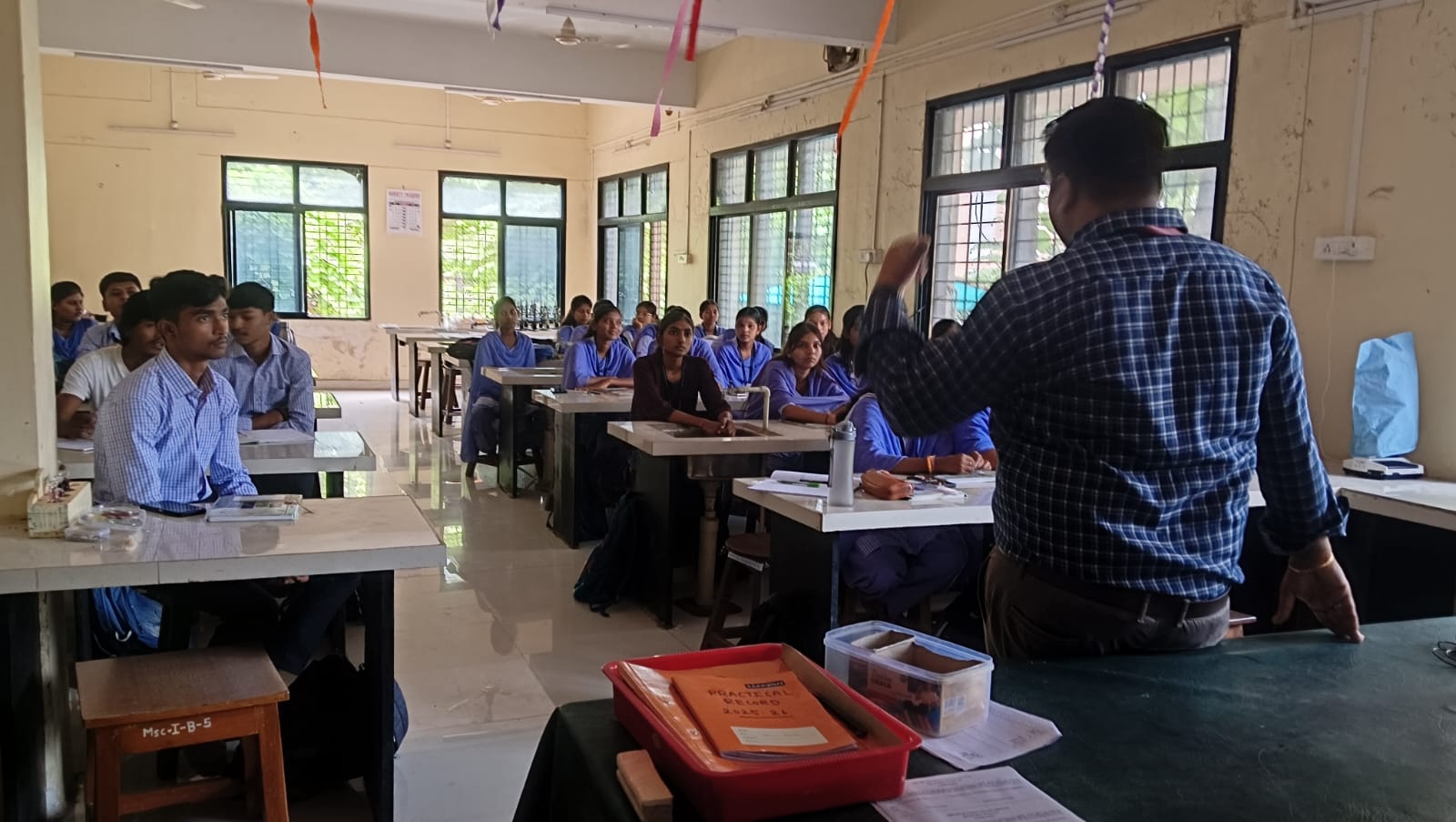 Students Understanding the Principals of Solid waste management | 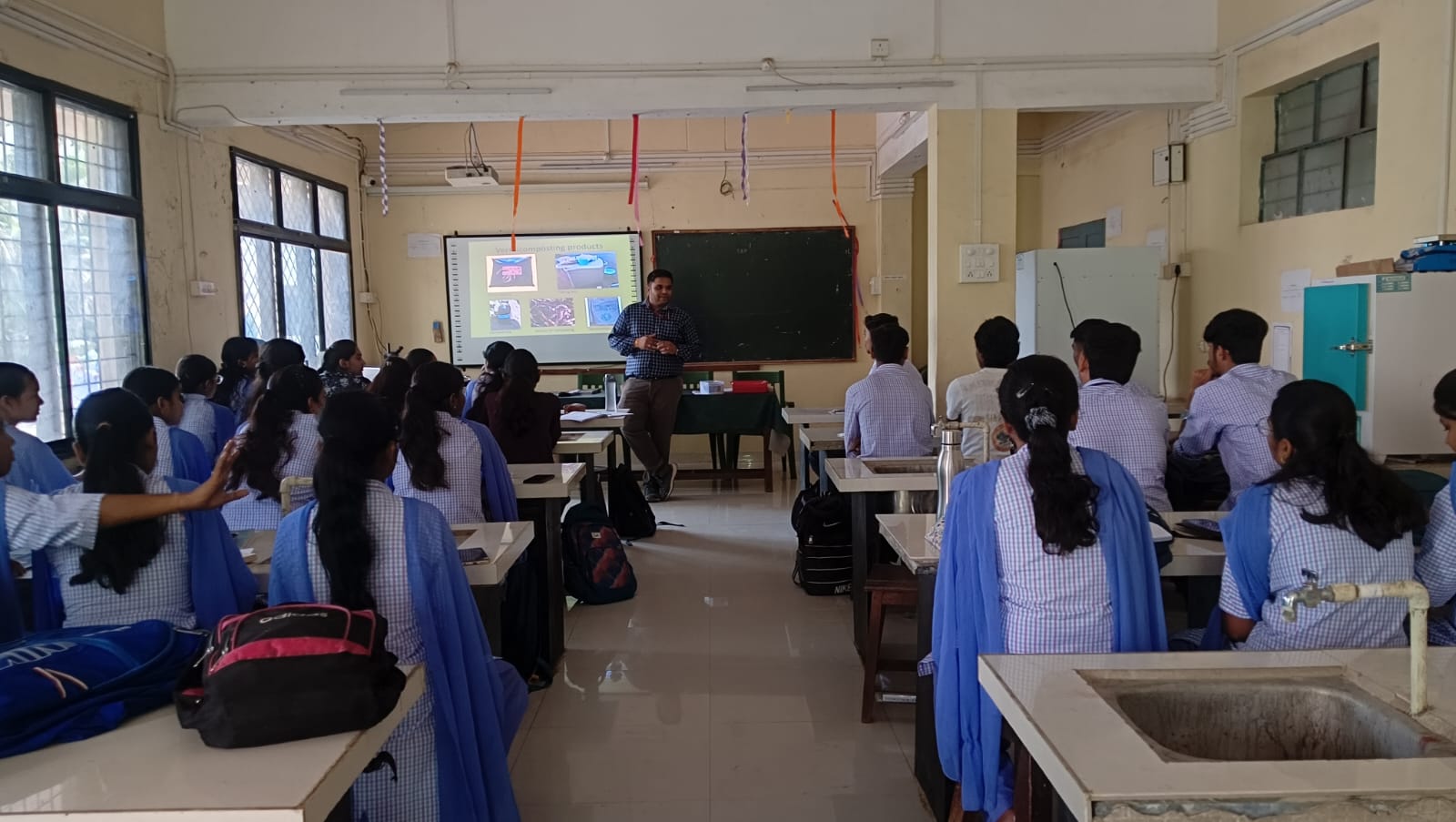 Explanation of Procedure of Vermicompost preparation |
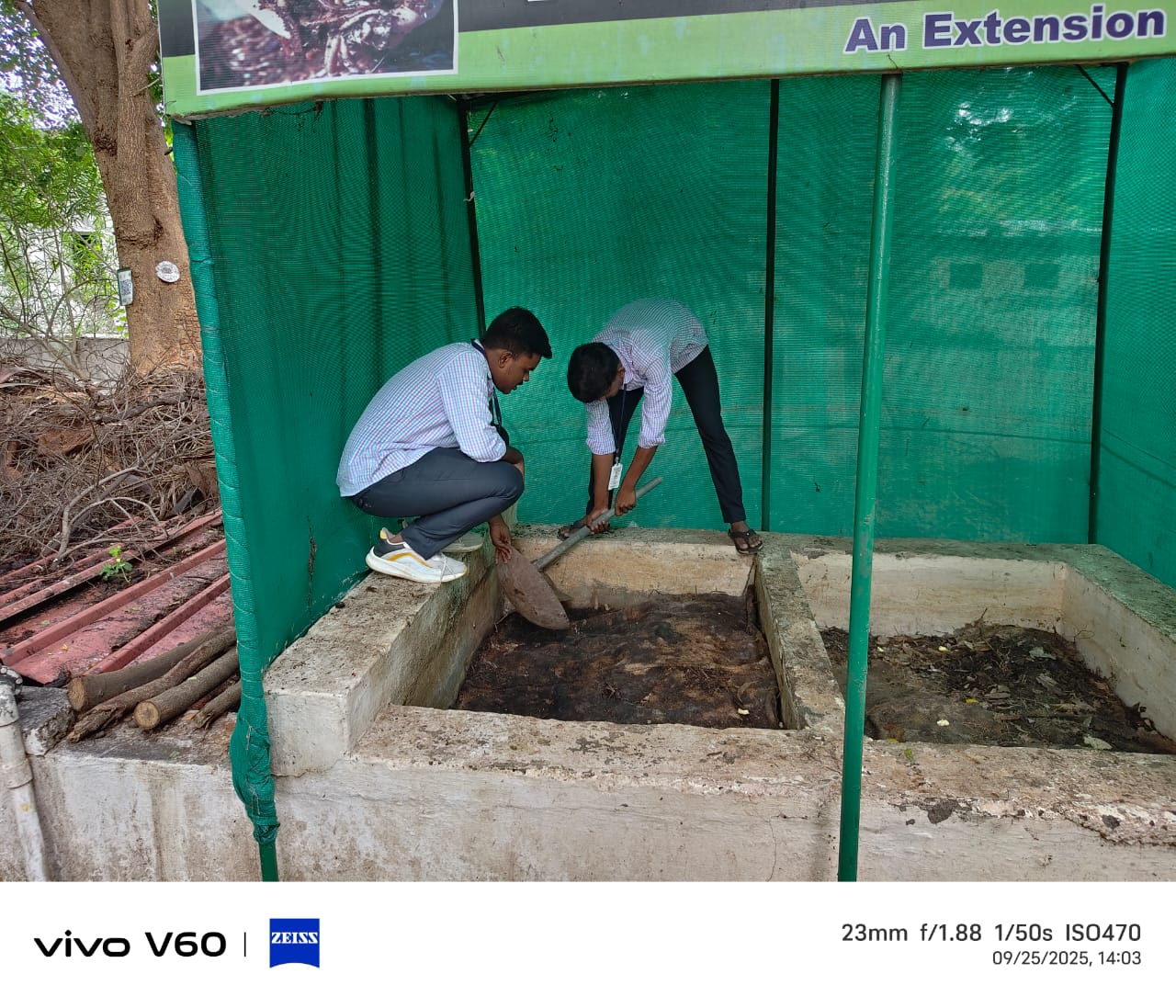 Hands-on Experience | 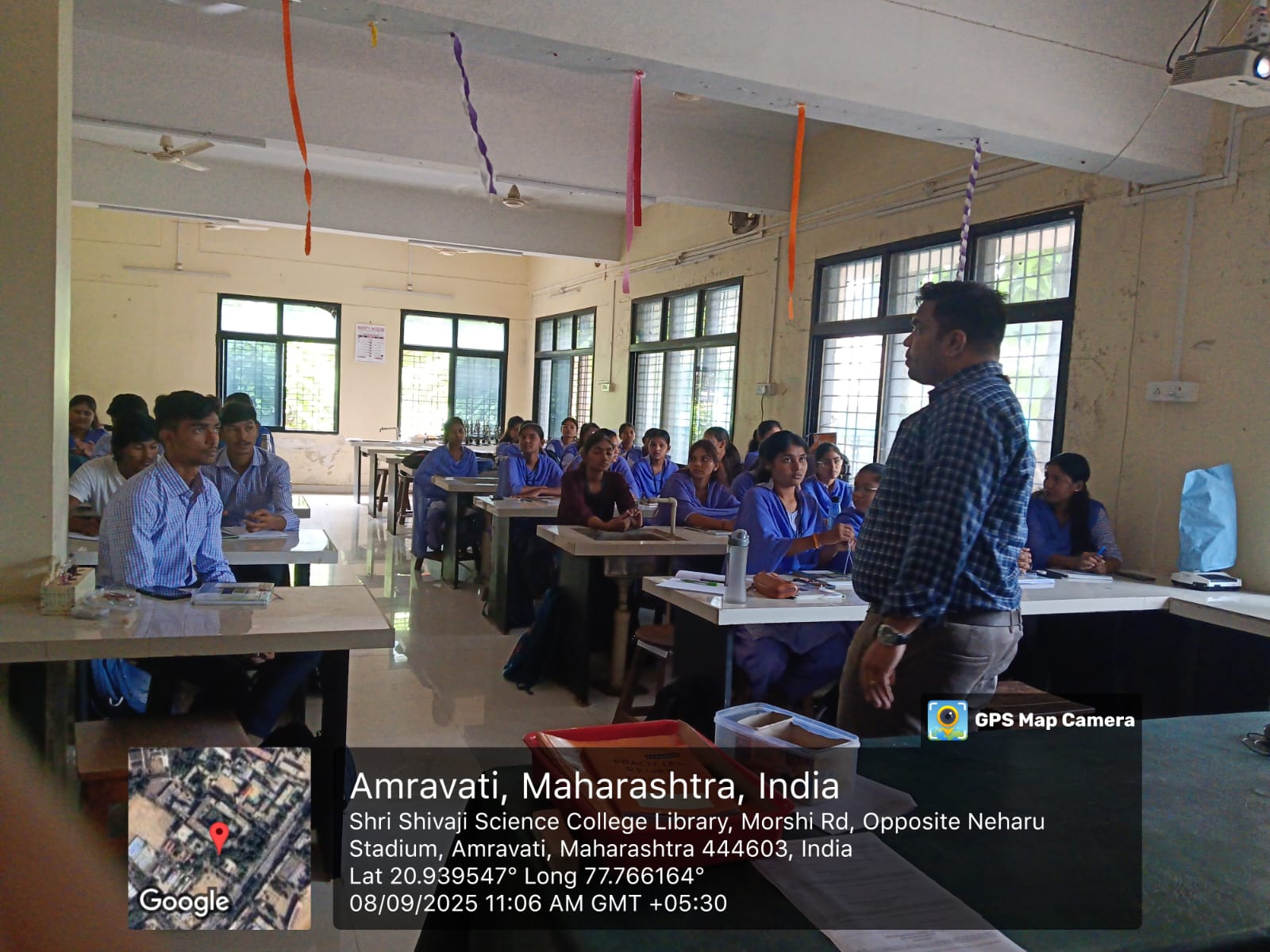 Explanation of Procedure of Vermicompost preparation |
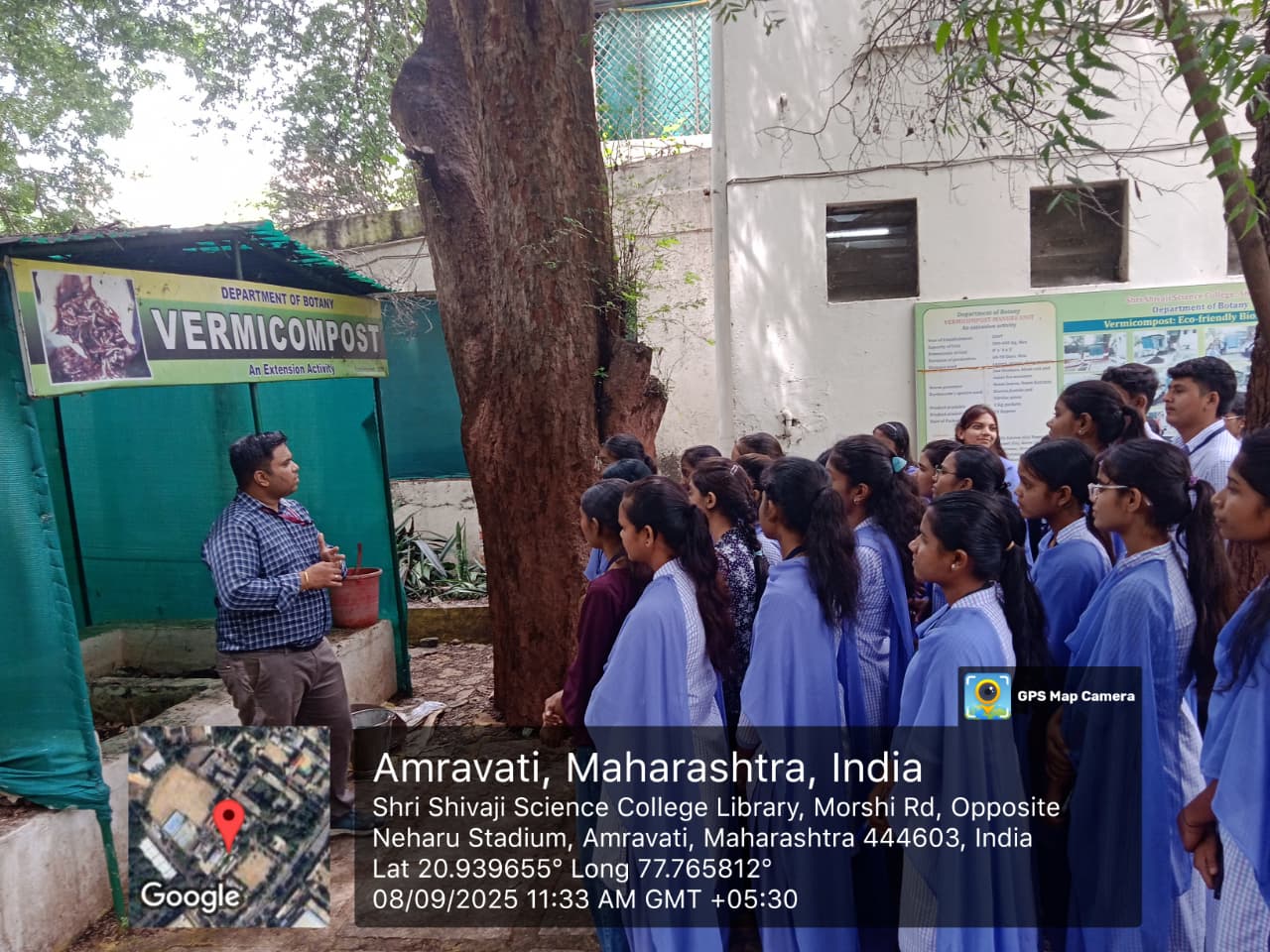 On field demonstration | 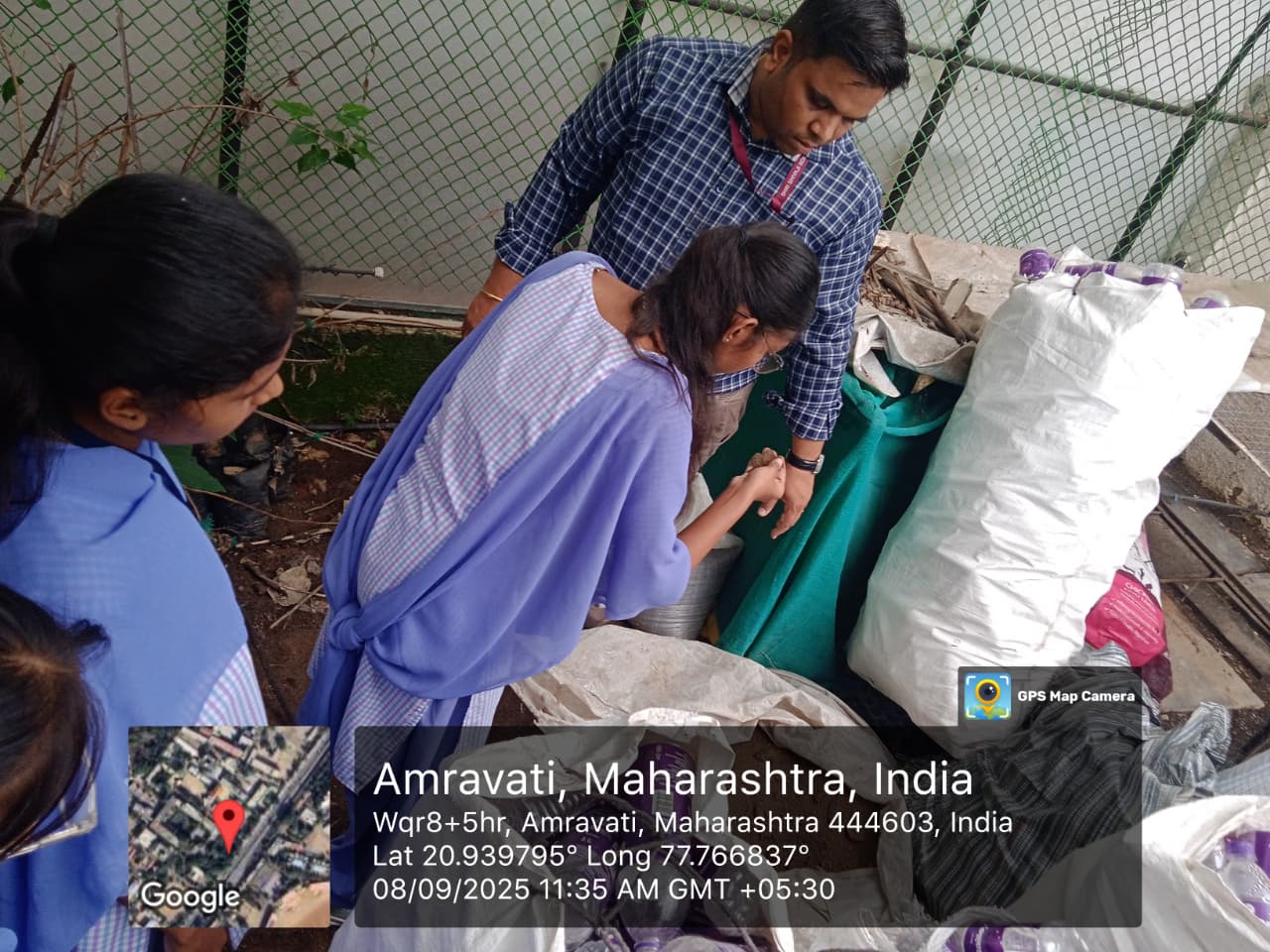 Sample Check of the Vermicompost |
Attendance Sheet:
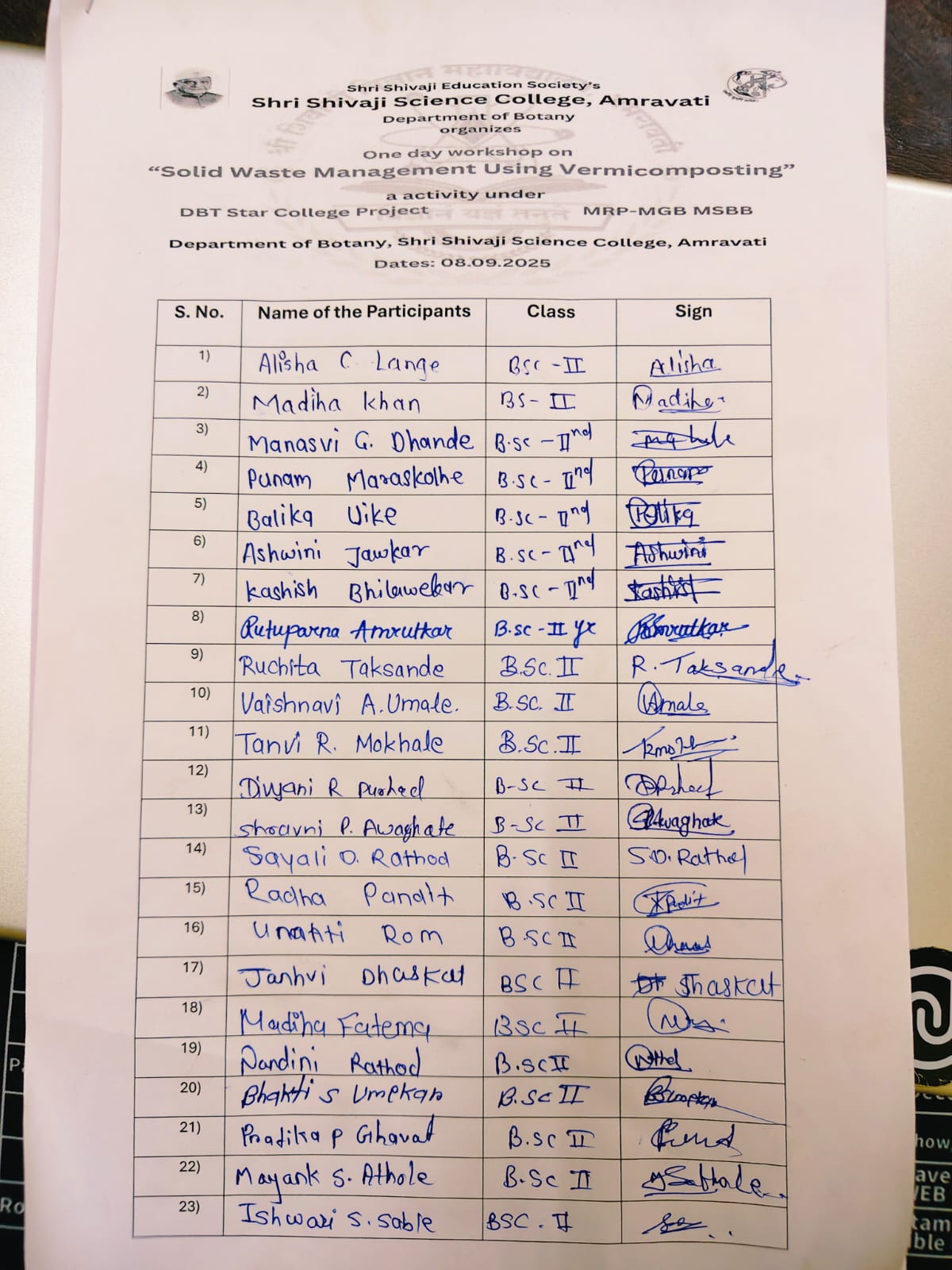 |
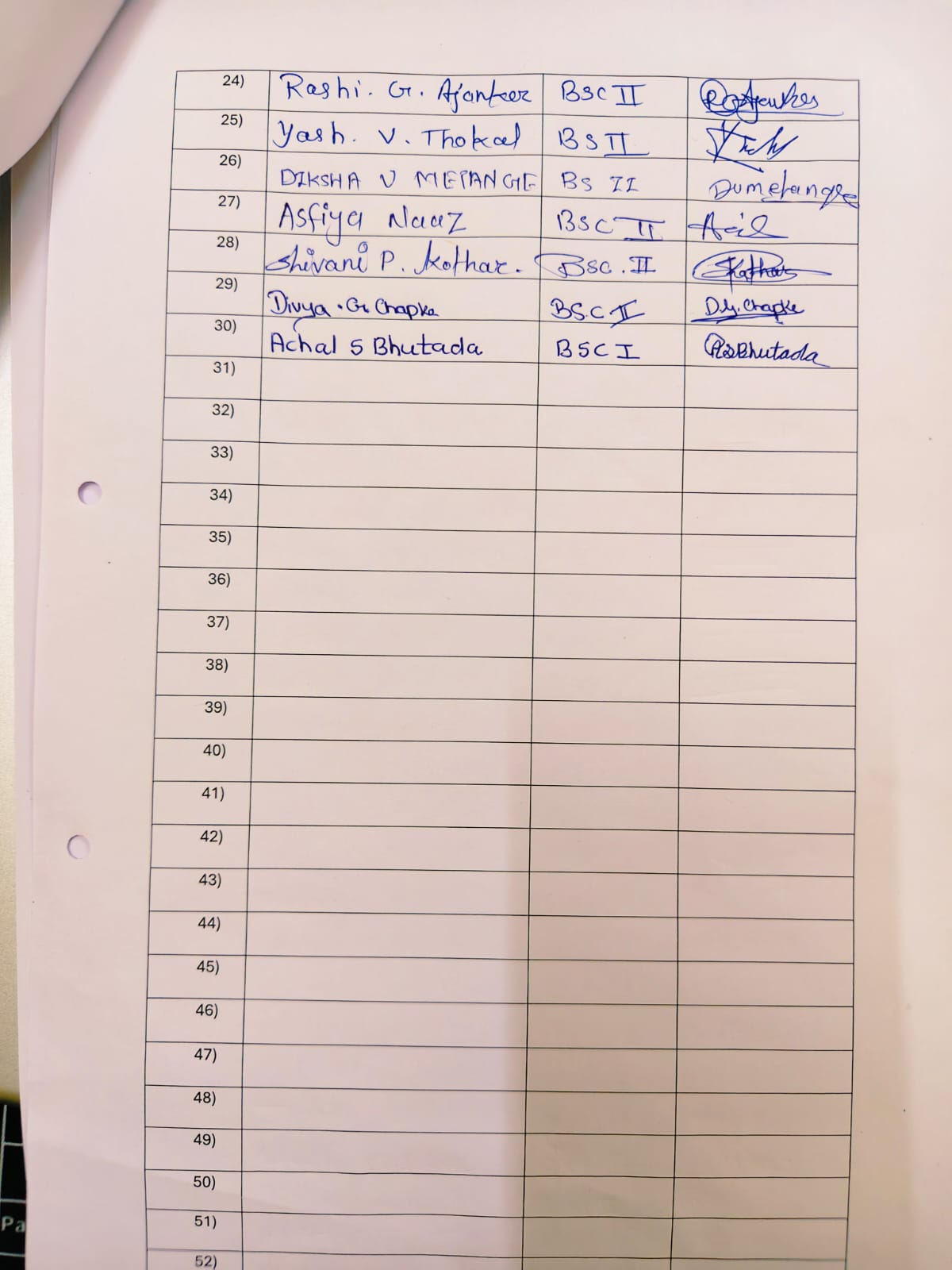 |