SHRI SHIVAJI SCIENCE COLLEGE, AMRAVATI
DBT STAR COLLEGE PROJECT ACTIVITY
ACTIVITY REPORT
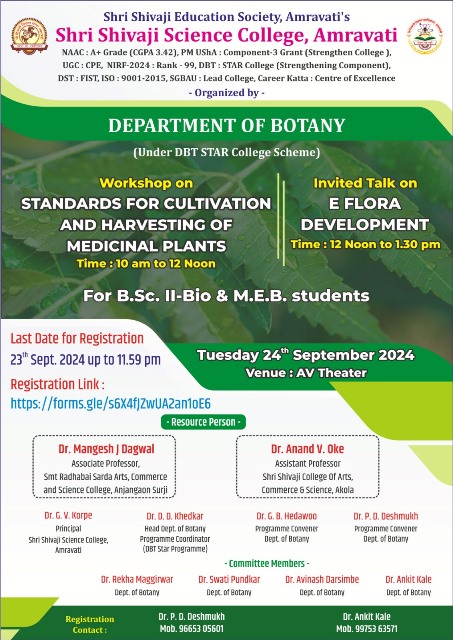
Workshop on Medicinal Plants and its Conservations
Activity Dates: 24/09/2024
Type of Activity: Students Workshop
Organizing Department: Department of Botany & Bioinformatics
Program Coordinators: Dr. G.B. Hedawoo & Dr. P. D. Deshmukh
Head of the Department: Dr. D. D. Khedkar
External Collaborator (if any): None
Objectives:
- Provide students with a foundational understanding of medicinal plants, their history, and their role in traditional and modern medicine
- Teach students how to identify different medicinal plants and classify them based on their botanical characteristics and medicinal uses
- • Organize practical sessions like field visits to local medicinal plant gardens or herbarium studies to help students gain hands-on experience in identifying and learning about the plants
- Demonstrate sustainable methods of cultivating medicinal plants and discuss the importance of conservation to protect endangered species
- Explore the cultural and traditional uses of medicinal plants by different indigenous groups and their role in folk medicine.
No of Beneficieries: 91
Classes Involved: B. Sc. II Bio & MEB
Venue of the Activity: A.V. Theater, Shri Shivaji Science College, Amravati
Activity Report:
The workshop on Medicinal Plants was organized to provide participants with an in-depth understanding of the importance, identification, and uses of medicinal plants in traditional and modern medicine. The workshop featured lectures, practical demonstrations, field visits, and lab-based activities that enabled students to engage with both the theoretical and practical aspects of medicinal plant science. The workshop emphasized the sustainable use of these plants and their role in healthcare.
The workshop began with an introductory session focusing on the history, significance, and classification of medicinal plants. Experts discussed the historical use of medicinal plants in traditional healing systems, such as Ayurveda, Traditional Chinese Medicine, and Indigenous systems. Participants engaged in discussions about the relevance of medicinal plants in modern pharmacology and drug development. Introduction to the classification of medicinal plants based on their therapeutic properties.
A field visit was organized to a botanical garden or natural habitat where participants observed and identified local medicinal plants in their natural environment. Guided identification of medicinal plants such as neem, tulsi, aloe vera, and others, with explanations of their medicinal uses. Students used field guides and plant identification keys to identify the morphological characteristics of the plants. Participants collected samples of medicinal plants for further study in the laboratory.
This session was focused on the techniques used to extract medicinal compounds from plants and the preparation of herbal remedies. Introduction to phytochemicals such as alkaloids, flavonoids, essential oils and their pharmacological effects. Hands - on experience in extracting active compounds from medicinal plants using methods such as infusion, decoction, and essential oil extraction. Students prepared simple herbal products, such as herbal teas, ointments, and tinctures, using the plant extracts they had prepared.
The final session focused on the conservation of medicinal plants and the importance of sustainable harvesting practices to ensure the long-term availability of these valuable resources. Experts discussed the threats to medicinal plants due to overharvesting, habitat loss, and climate change. Participants analyzed case studies on conservation efforts for endangered medicinal plant species. Participants engaged in discussions on the ethical and environmental responsibilities related to medicinal plant use and conservation.
Feedback from Participants:
Participants provided feedback at the end of the workshop, with the following insights:
Positive Aspects:
The hands-on activities, particularly plant identification and extraction, were highlighted as the most valuable aspects of the workshop. The field visit was highly appreciated for providing real-world experience in identifying and observing medicinal plants in their natural habitat. The guest lecture on traditional uses of medicinal plants was considered very engaging and informative. Some participants suggested more time for practical lab work, especially for advanced extraction techniques. A few participants recommended additional field visits to different ecosystems to observe a wider variety of medicinal plants.
Challenges Faced:
Due to time constraints, some participants felt that they did not have enough time to fully explore the extraction techniques. Unpredictable weather during the field visit limited the time spent observing plants in their natural environment. Limited access to advanced equipment for phytochemical analysis restricted the depth of some lab activities.
Conclusion:
The Workshop on Medicinal Plants was a successful event that provided participants with comprehensive knowledge and hands-on experience in the field of medicinal plant science. The combination of theoretical lectures, practical fieldwork, and lab-based activities enabled participants to develop a deeper understanding of the role of medicinal plants in both traditional and modern healthcare systems. The workshop met its objectives, and participants expressed interest in further exploring this field through research or future workshops.
Recommendations for Future Workshops:
Extend the duration of the workshop to allow for more in-depth exploration of practical activities such as plant extraction and product preparation. Include more field visits to different habitats and ecosystems where medicinal plants grow. Provide access to more advanced laboratory equipment for phytochemical analysis. Incorporate sessions on the commercialization and market potential of medicinal plant products, including regulatory and quality control aspects.
Activity In charge:
1) Dr. G. B. Hedawoo
2) Dr. P. D. Deshmukh
Outcomes:
- Students have gained an understanding of the diversity of medicinal plants, including their botanical classifications, ecological importance, and cultural significance
- Students are able to accurately identify various medicinal plants, both in the field and through botanical descriptions, using diagnostic features such as leaves, flowers, and growth patterns
- Students appreciated the historical and ethnobotanical uses of medicinal plants in various cultures and understand how traditional knowledge has influenced modern medicine
- Students have gained awareness of sustainable practices for cultivating medicinal plants and the importance of conserving endangered plant species to maintain biodiversity
- Students shows aware of the safety considerations when using medicinal plants, including proper dosage, potential side effects, and regulatory guidelines for plant-based products
Photos:
 Glimpses of Workshop on Medicinal Plant and E - Flora Development | 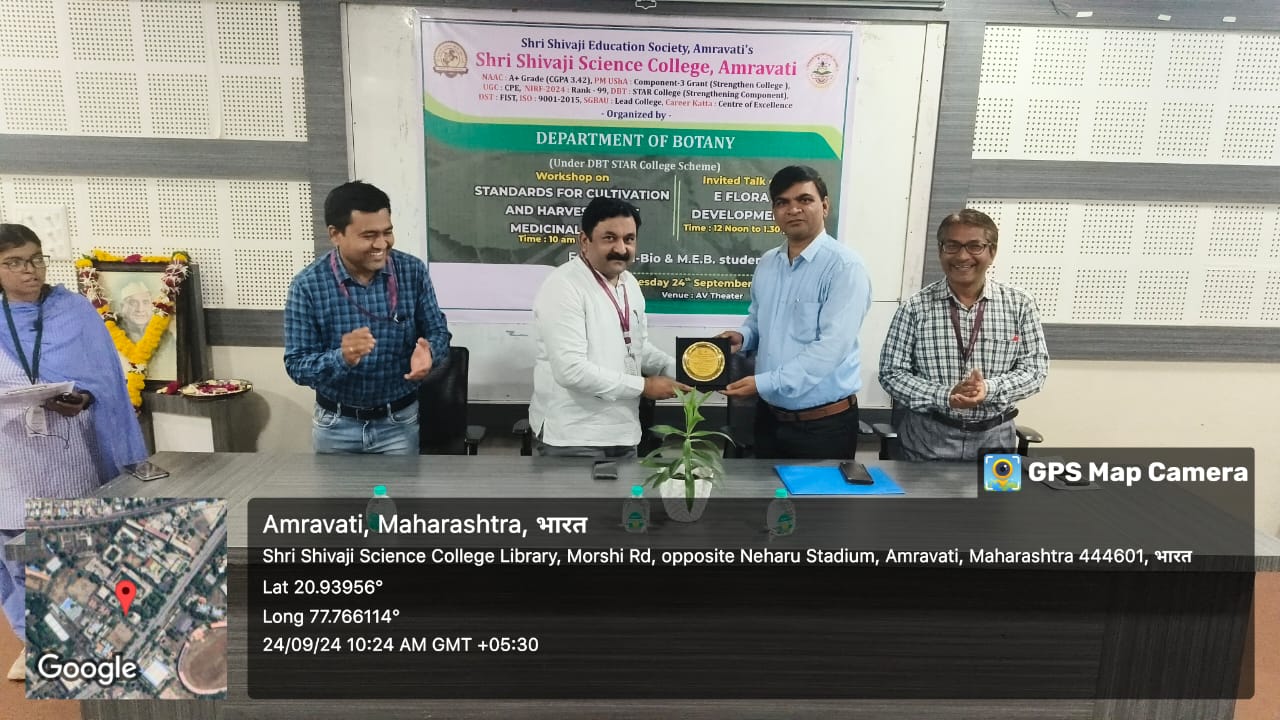 Felicitation of Guest Dr. Mangesh J. Dagwal for workshop on Standard in Cultivation and Harvesting of Medicinal Plants |
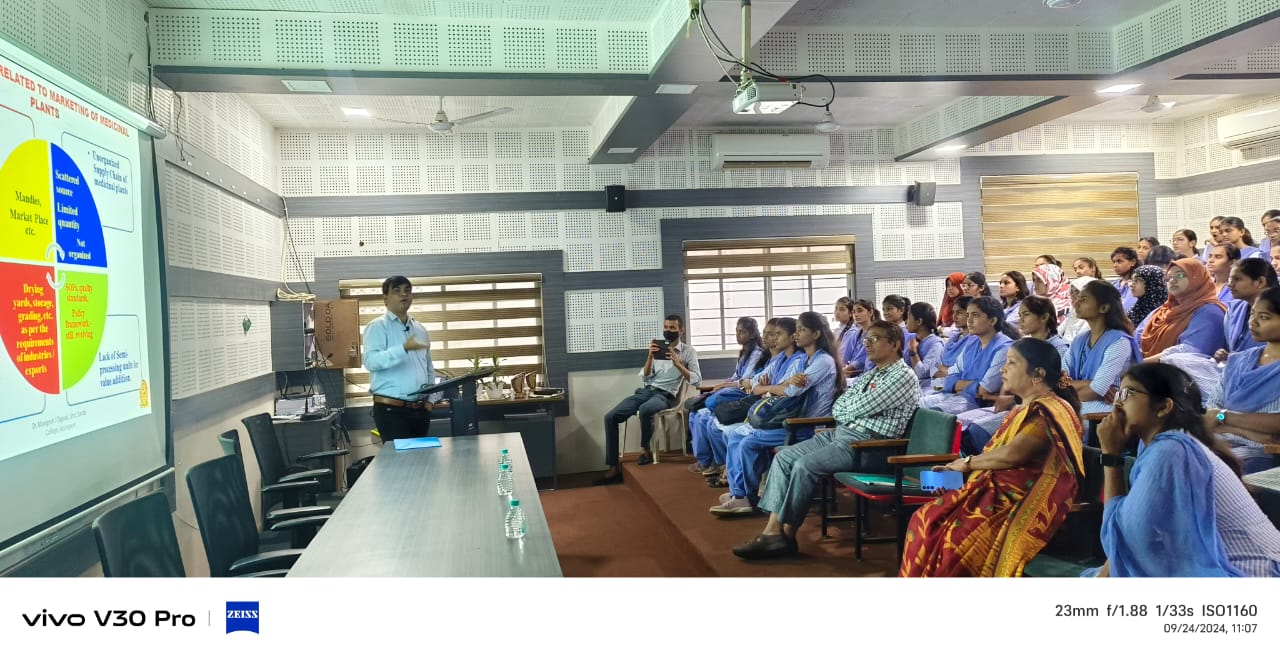 Dr. Mangesh J. Dagwal Interacting with UG Students During Work Shop | 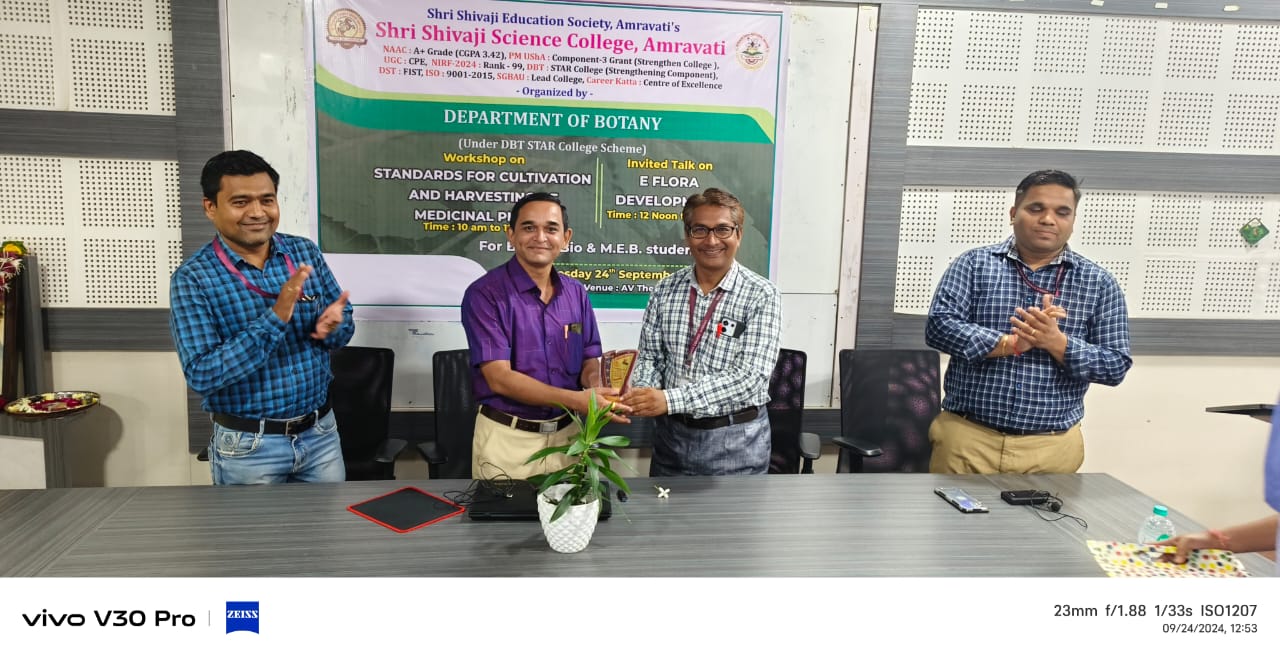 Felicitation of Guest Dr. A. V. Oke for workshop on E - Flora Development |
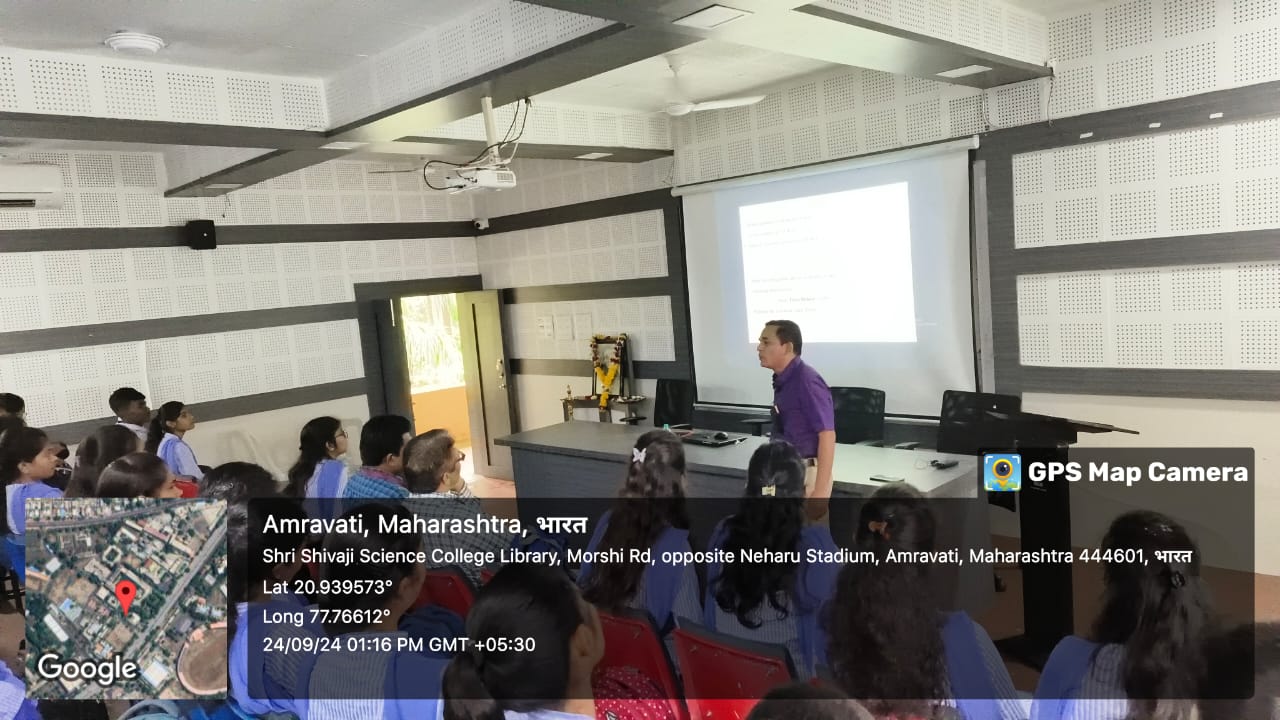 Dr. Dr. A. V. Oke Interacting with UG Students During Work Shop | 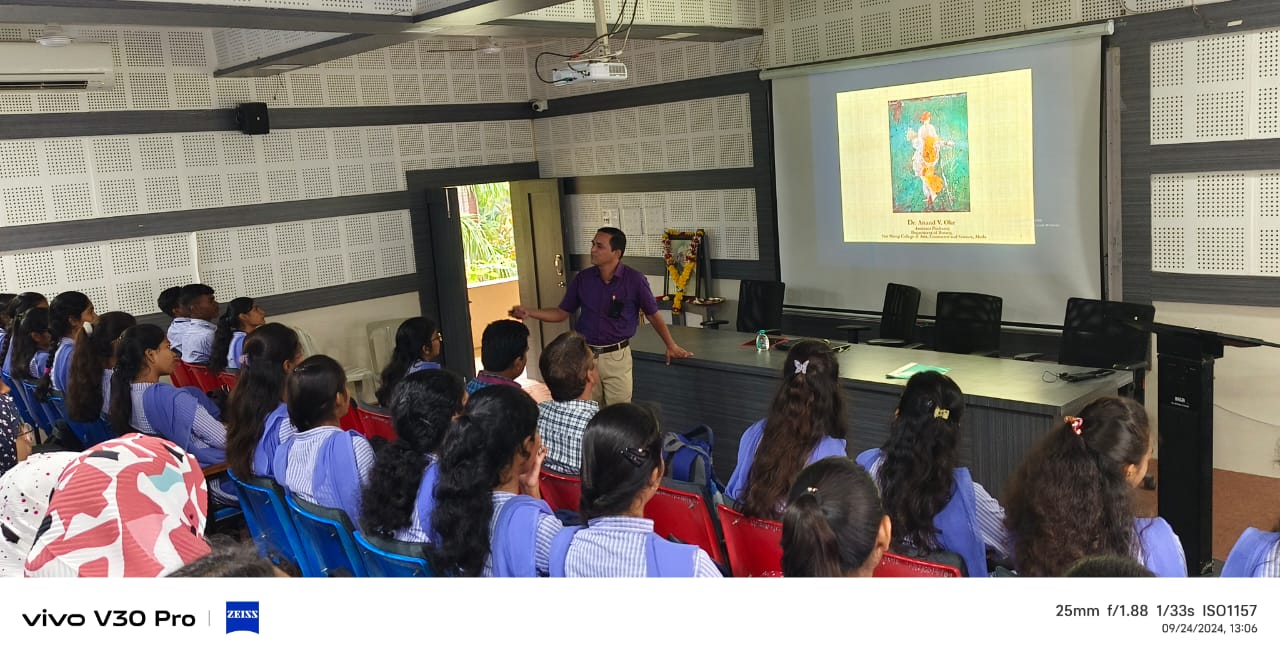 Students for Workshop on Standard in Cultivation and Harvesting of Medicinal Plants and E - Flora Development |
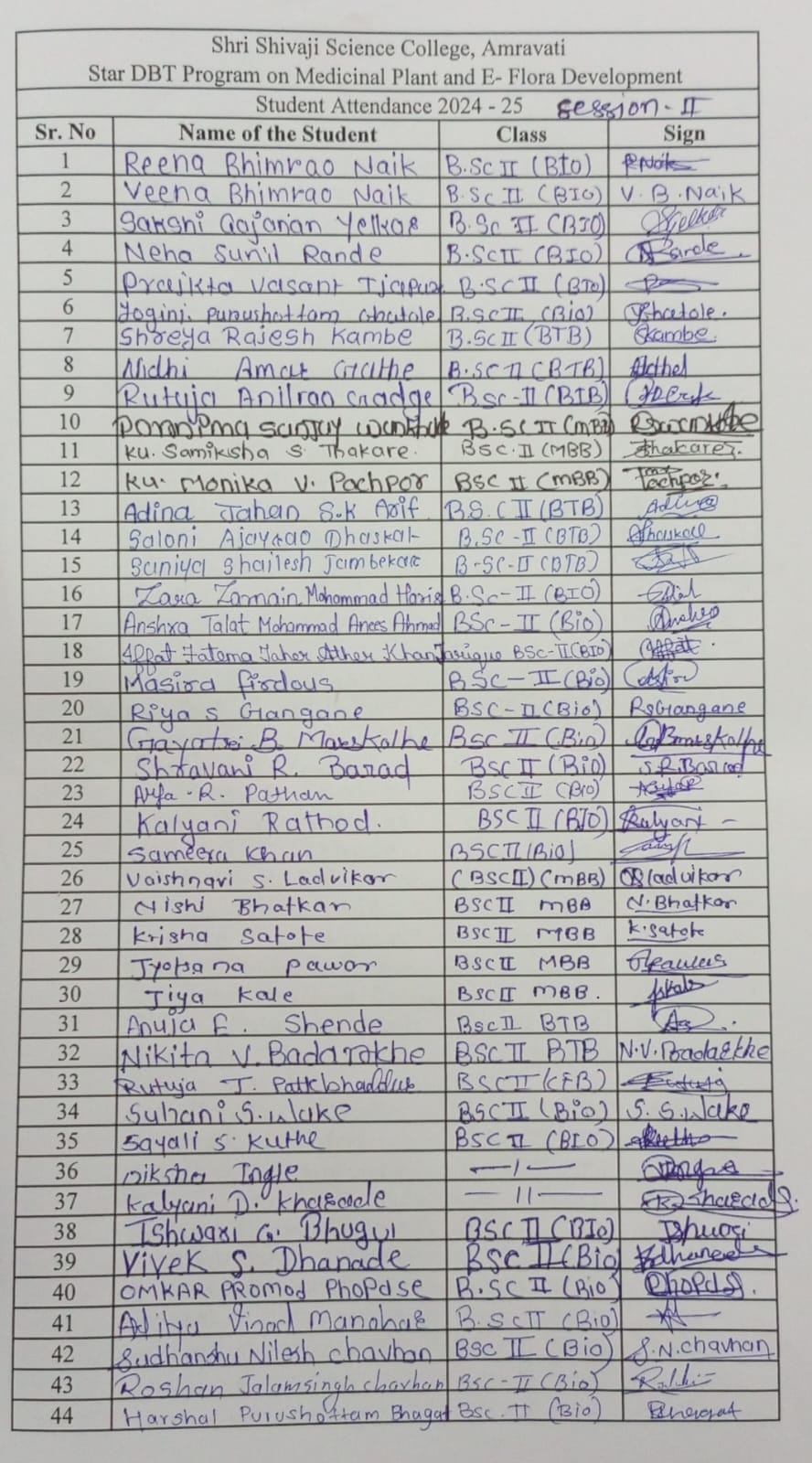
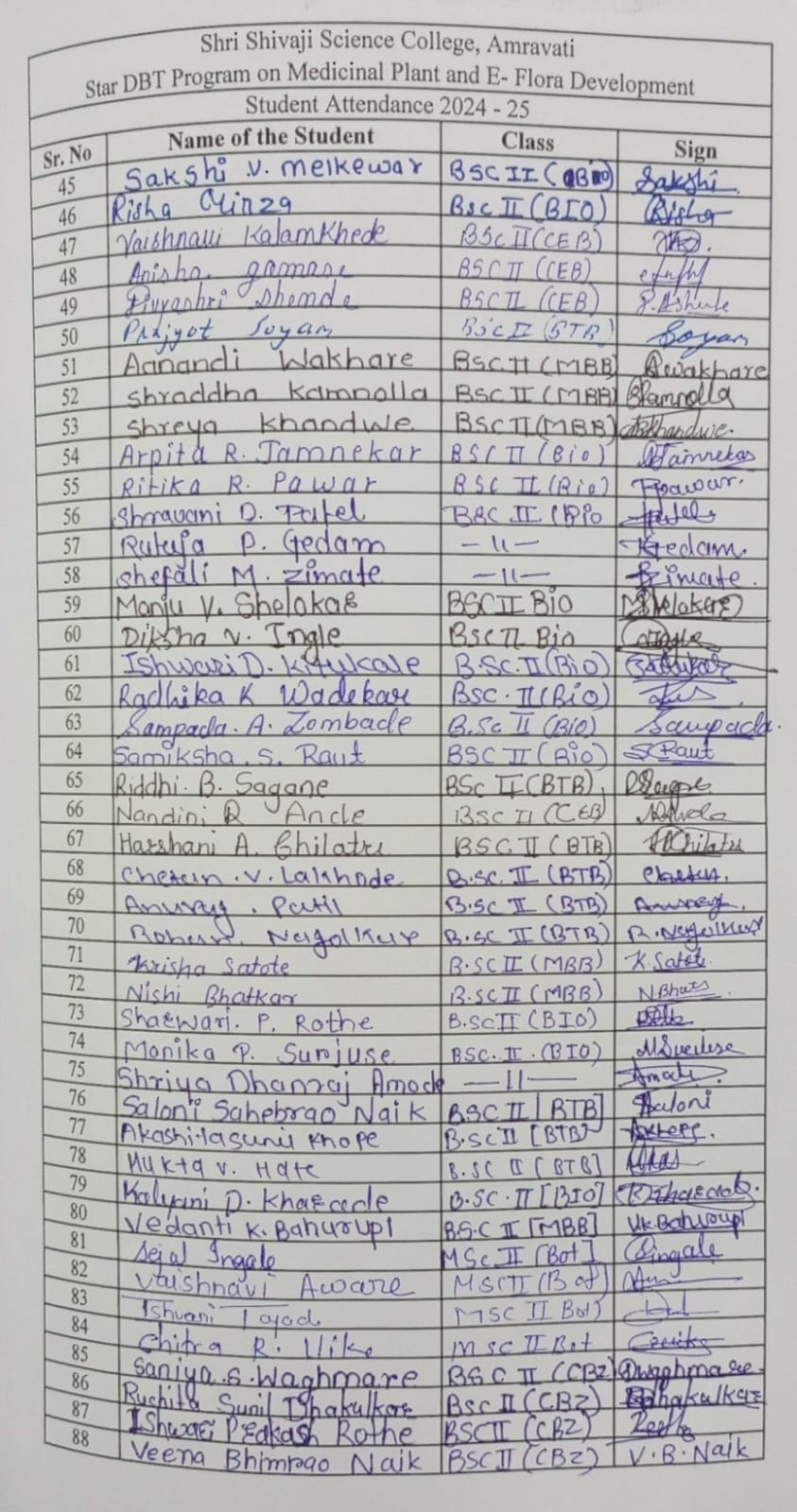
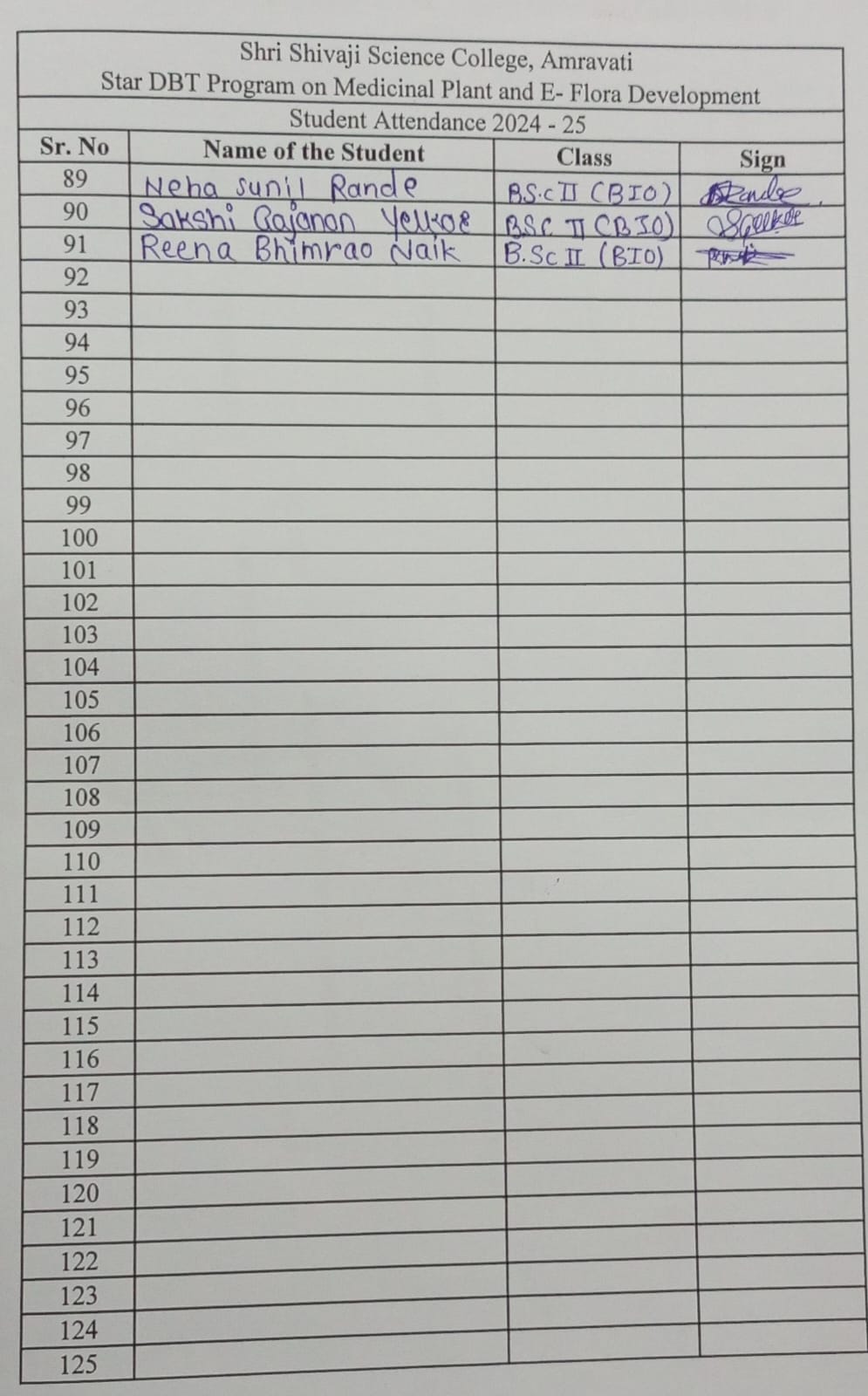
Attendance Sheet:
 |
 |
 |