SHRI SHIVAJI SCIENCE COLLEGE, AMRAVATI
DBT STAR COLLEGE PROJECT ACTIVITY
ACTIVITY REPORT

Microorganism's Day Celebration
Activity Dates: 17.09.2025
Type of Activity: Other
Organizing Department: Department of Microbiology
Program Coordinators: Dr. Rasika R. Jane
Head of the Department: Dr. R. C. Maggirwar
External Collaborator (if any): -
Objectives:
- 1. To Promote Awareness of Microorganisms
- 2. To Enhance Practical Skills in Microbiology
- 3. To Foster Scientific Curiosity and Critical Thinking
- 4. To Develop Presentation Skills
- 5. To Encourage Appreciation of Scientific Achievements
No of Beneficieries: 30
Classes Involved: B.Sc.-II and III Year Microbiology students
Venue of the Activity: Department of Microbiology, Shri Shivaji Science College, Amravati
Activity Report:
Introduction
On 17th September 2025, Department of Microbiology & Biotechnology, Shri Shivaji Science College, Amravati celebrated Microorganism Day under the DBT Star College Project. The event was an exciting platform for students to showcase their creative skills in microbiology through various practical demonstrations, such as staining techniques and streaking of different shapes on agar medium plates. The event not only provided an opportunity to explore the fascinating world of microorganisms but also fostered a deeper understanding of microbiological practices. This celebration was attended by 30 enthusiastic students, and the presentations were praised by the Honourable Principal, Dr. G. V. Korpe, whose words of encouragement motivated the students to continue their exploration of microbiology and other scientific fields.
Objectives
The primary objectives of the Microorganism Day Celebration were:
1. To Promote Awareness of Microorganisms:
o To educate students on the diverse roles microorganisms play in our daily lives, both beneficial and harmful.
o To introduce students to the essential methods of identifying and studying microorganisms in laboratory settings.
2. To Enhance Practical Skills in Microbiology:
o To provide hands-on experience to students in basic microbiological techniques such as staining, streaking, and agar plate preparation.
o To encourage creativity in the students’ approach to microbiological techniques, allowing them to experiment with different patterns and shapes on agar plates.
3. To Foster Scientific Curiosity and Critical Thinking:
o To ignite an interest in microbiology among students by giving them an opportunity to explore the microscopic world and the techniques used to study it.
o To develop critical thinking and problem-solving skills through laboratory-based tasks and observations.
4. To Develop Presentation Skills:
o To provide a platform for students to present their work, explaining the techniques they used and the outcomes they achieved, which in turn helped in enhancing their communication and presentation skills.
5. To Encourage Appreciation of Scientific Achievements:
o To celebrate the contributions of microbiology to modern science, particularly in areas like medicine, agriculture, and environmental conservation.
o To highlight the importance of scientific knowledge in addressing real-world issues such as disease prevention, food production, and biotechnology.
Program Details
The event unfolded with great enthusiasm and saw active participation from the students. The program was organized in a way that allowed students to showcase their skills in various microbiological techniques, with a special focus on staining and streaking techniques.
1. Staining Techniques
One of the main activities of the day was the demonstration and application of staining techniques, a fundamental aspect of microbiology used to visualize microorganisms under a microscope. Students performed Gram staining and simple staining, which allowed them to differentiate bacteria based on their cell wall characteristics.
• Gram Staining: Students prepared bacterial smears on slides, followed by a series of staining steps including crystal violet, iodine, alcohol, and safranin. This technique allowed students to classify bacteria as Gram-positive or Gram-negative, based on the color change after the procedure.
• Simple Staining: This technique was used to observe bacterial morphology, where a single stain was applied to the bacterial sample, resulting in clearer visualization of the shape, size, and arrangement of bacterial cells.
The students demonstrated impressive accuracy in their staining procedures, achieving clear, well-differentiated bacterial slides, which were appreciated by the faculty and guests present.
2. Streaking Techniques on Agar Plates
The students also showcased their skills in streaking different shapes on agar plates, which is a common technique used in microbiology to isolate single bacterial colonies from mixed cultures. The streaking was done with great creativity, as students attempted to create patterns or shapes while streaking their bacterial samples on the agar surface.
• Quadrant Streaking: Students used the quadrant streaking method to dilute bacterial samples and isolate single colonies, which helped in identifying pure cultures for further study.
• Creative Streaking: Some students applied innovative approaches, attempting to create artistic patterns or shapes with bacterial growth, demonstrating their creative flair while learning essential microbiological techniques.
The results of these streaking experiments were displayed for viewing, and the unique, well-formed patterns caught the attention of the attendees. The precision and artistry displayed in these streaking techniques were highly praised by the faculty and Principal Dr. G. V. Korpe.
3. Presentation and Interaction
Each group of students was given the opportunity to present their work, explaining the techniques they had used, the challenges they encountered, and the significance of the results. This presentation session allowed students to practice their public speaking and critical thinking skills, as they had to answer questions posed by the audience, including faculty members and peers.
Dr. G. V. Korpe, the Honourable Principal, took the opportunity to interact with the students, commending them for their dedication and creativity. He emphasized the importance of practical learning in scientific education and encouraged students to continue exploring the world of microbiology, as it has vast applications in medicine, agriculture, and environmental science.
Outcomes
The Microorganism Day Celebration was a resounding success, with several positive outcomes:
1. Skill Enhancement:
• The students gained hands-on experience in performing essential microbiological techniques, particularly staining and streaking, which are crucial for identifying and isolating microorganisms.
• By participating in the creative aspect of streaking on agar plates, students developed a better understanding of how microbiological methods can be adapted to different scientific and artistic purposes.
2. Increased Scientific Curiosity:
• The event sparked increased curiosity and interest in microbiology among the students. Many students, especially those who had never previously worked in a microbiology lab, found the process of observing microorganisms exciting and informative.
• The demonstration of how microorganisms can be categorized and studied in detail helped students appreciate the diversity of life forms invisible to the naked eye.
3. Improved Communication Skills:
• Through the presentations, students were able to practice their communication skills by explaining complex techniques and results to a non-specialist audience. This boosted their confidence in scientific discourse and presentation.
• The opportunity to discuss their work with peers and faculty helped them articulate their thoughts more clearly and address questions thoughtfully.
4. Creative Expression in Science:
• The event showcased how scientific methods can be approached with creativity. The innovative streaking designs, though simple, highlighted how students can merge scientific inquiry with artistic expression.
• It also encouraged students to think outside the box when it comes to applying their knowledge in practical ways, which could be beneficial in future scientific endeavors.
5. Encouragement from Faculty:
• The praise and encouragement from Dr. G. V. Korpe, the Principal, added immense value to the event. His positive feedback not only motivated the students but also underscored the importance of practical, hands-on learning in the field of microbiology.
• The Principal's involvement in the event added a sense of prestige and recognition, which inspired students to continue developing their skills.
6. Strengthened Community and Peer Interactions:
• The event brought together 30 students who were able to collaborate, exchange ideas, and learn from one another. This collaboration fostered a sense of community and teamwork among the participants.
• Peer learning was a key aspect of the event, as students shared their individual experiences with the techniques and offered feedback to one another.
Conclusion
The Microorganism Day Celebration held on 17th September 2025 under the DBT Star College Project was an enriching experience for both students and faculty alike. The event successfully achieved its objectives of promoting awareness about microorganisms, enhancing students' practical skills, and encouraging creative expression in science. The participation of the Honourable Principal, Dr. G. V. Korpe, added significant value to the event, motivating students to continue exploring microbiology with enthusiasm and dedication.
In conclusion, the event not only provided an excellent learning experience for the 30 beneficiaries but also fostered a greater appreciation for the importance of microbiology in both academic and real-world applications.
Outcomes:
- Skill Enhancement
- Increased Scientific Curiosity
- Improved Communication Skills
- Creative Expression in Science
- Encouragement from Faculty
Photos:
 Together exploring power of Microorganisms | 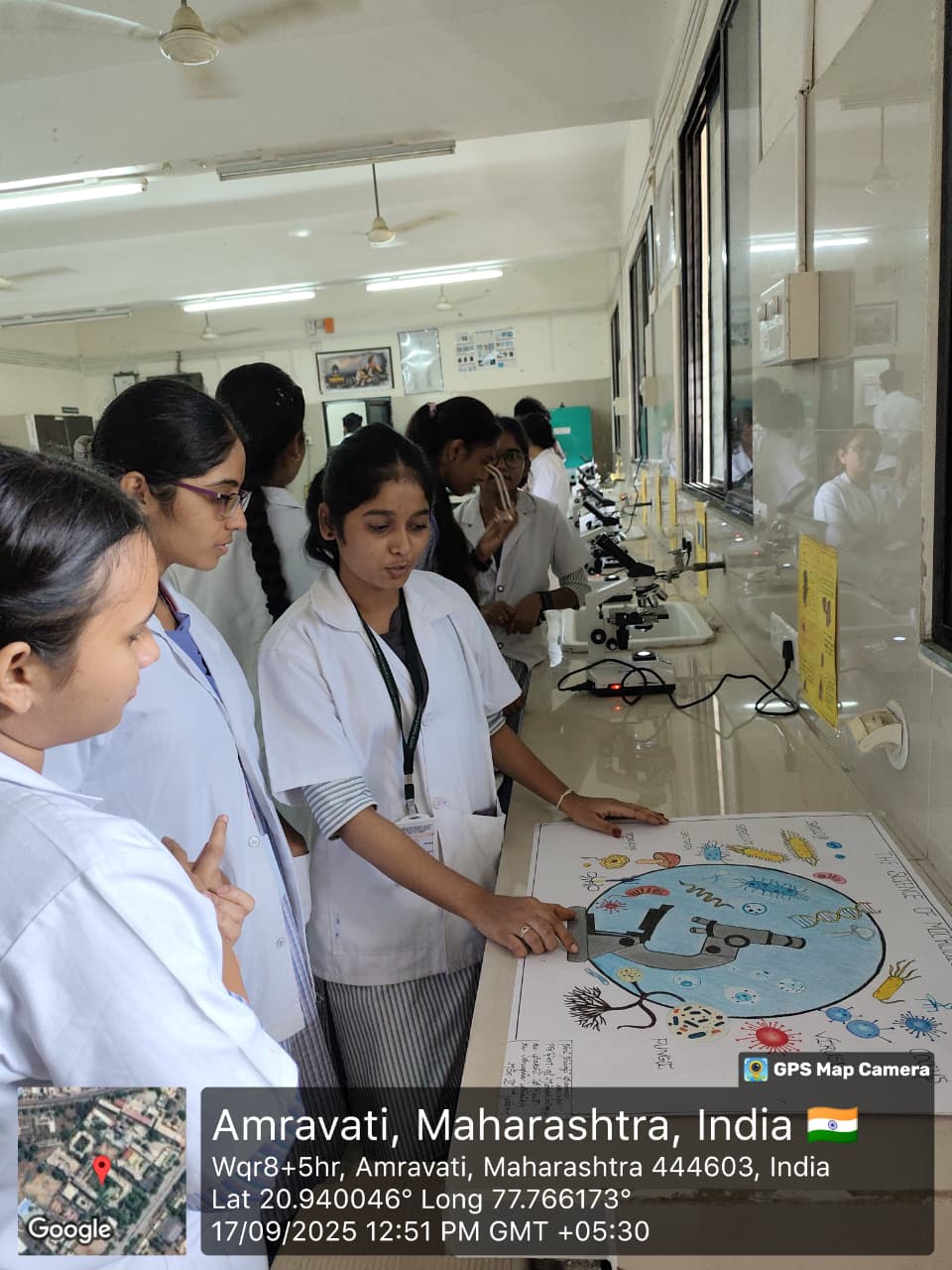 Through the microscope, a universe unfolds |
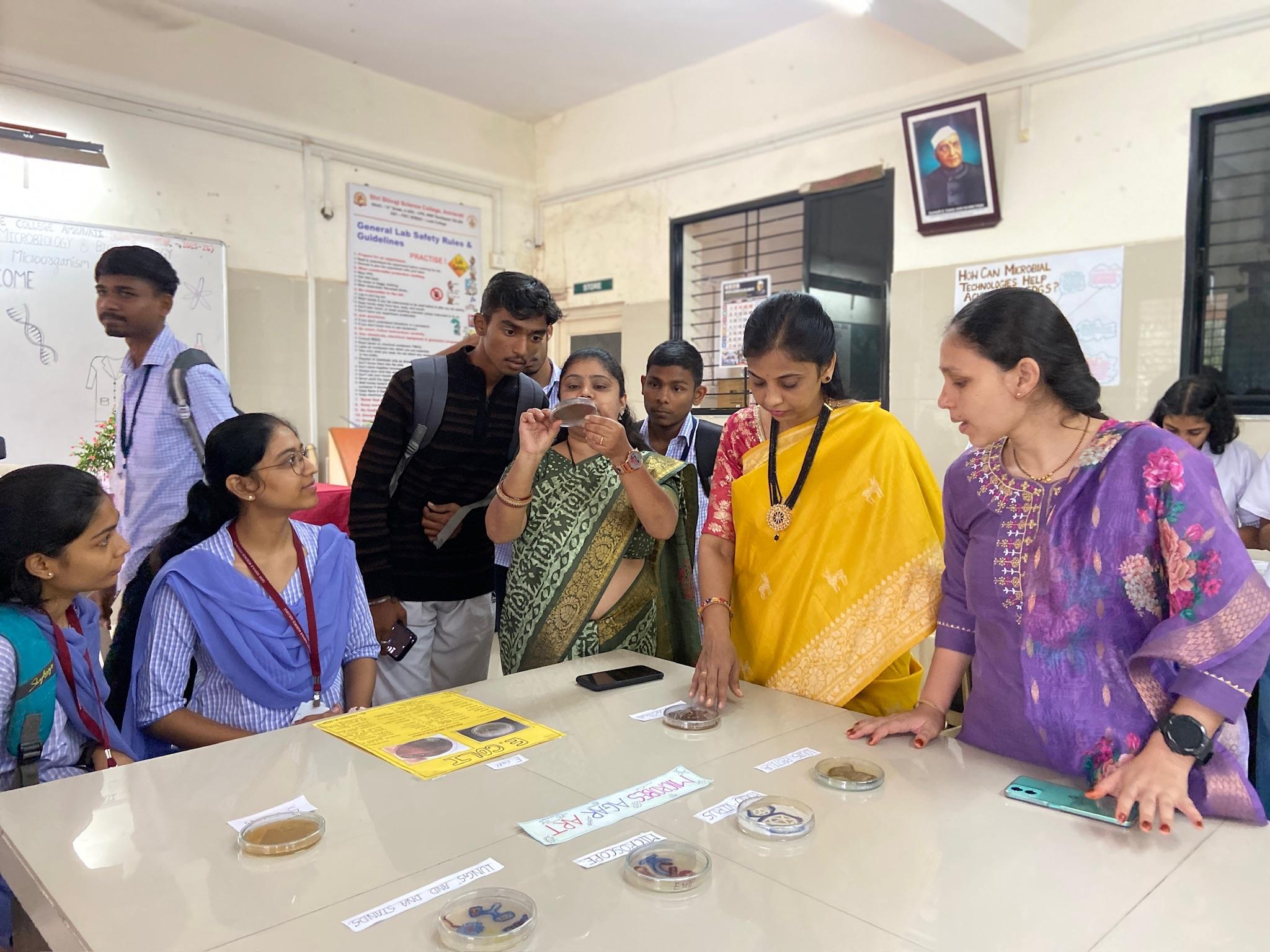 Understanding microbes to understand life | 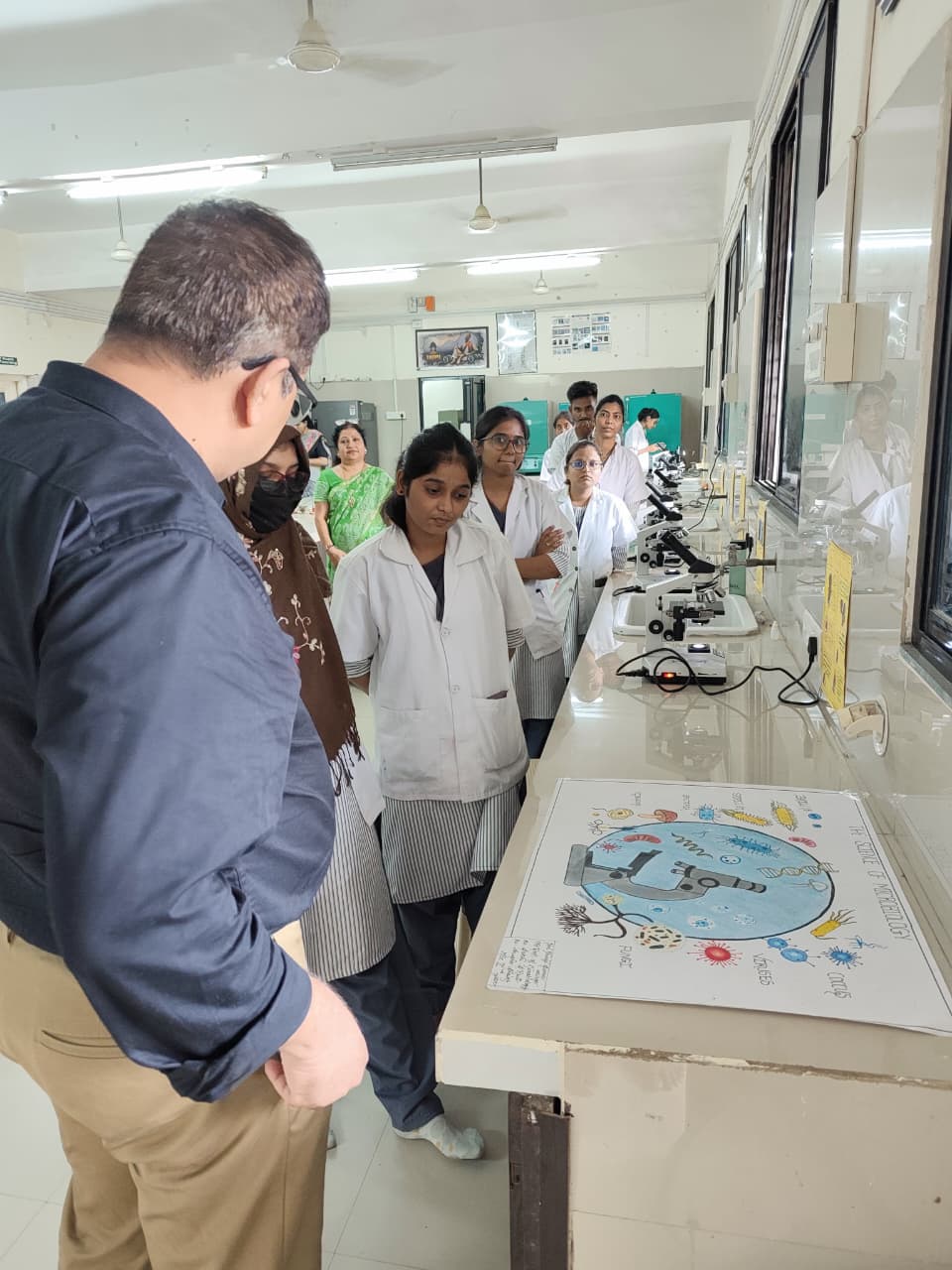 Observing life too small for naked eye |
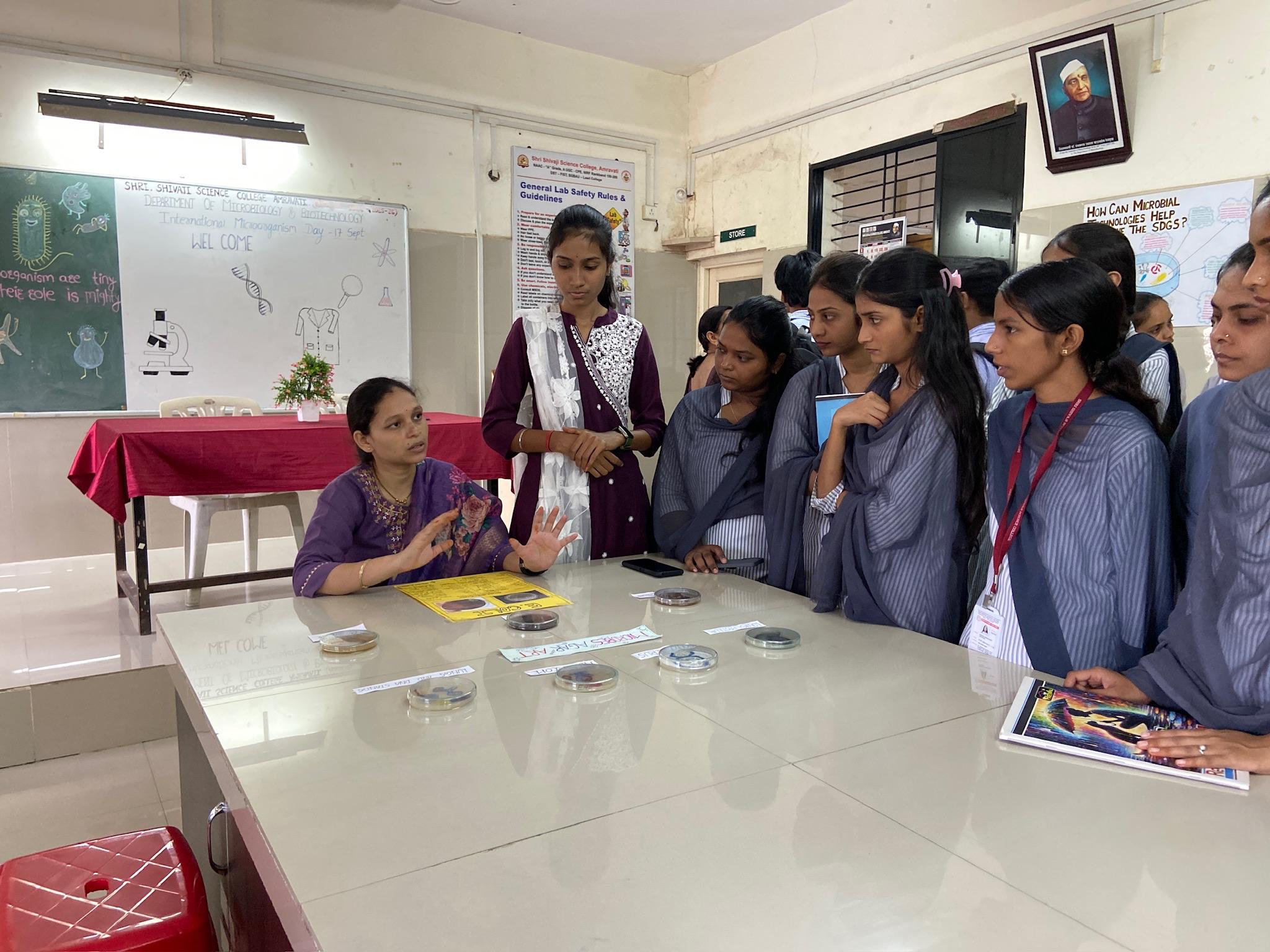 A day dedicated to power of microbes | 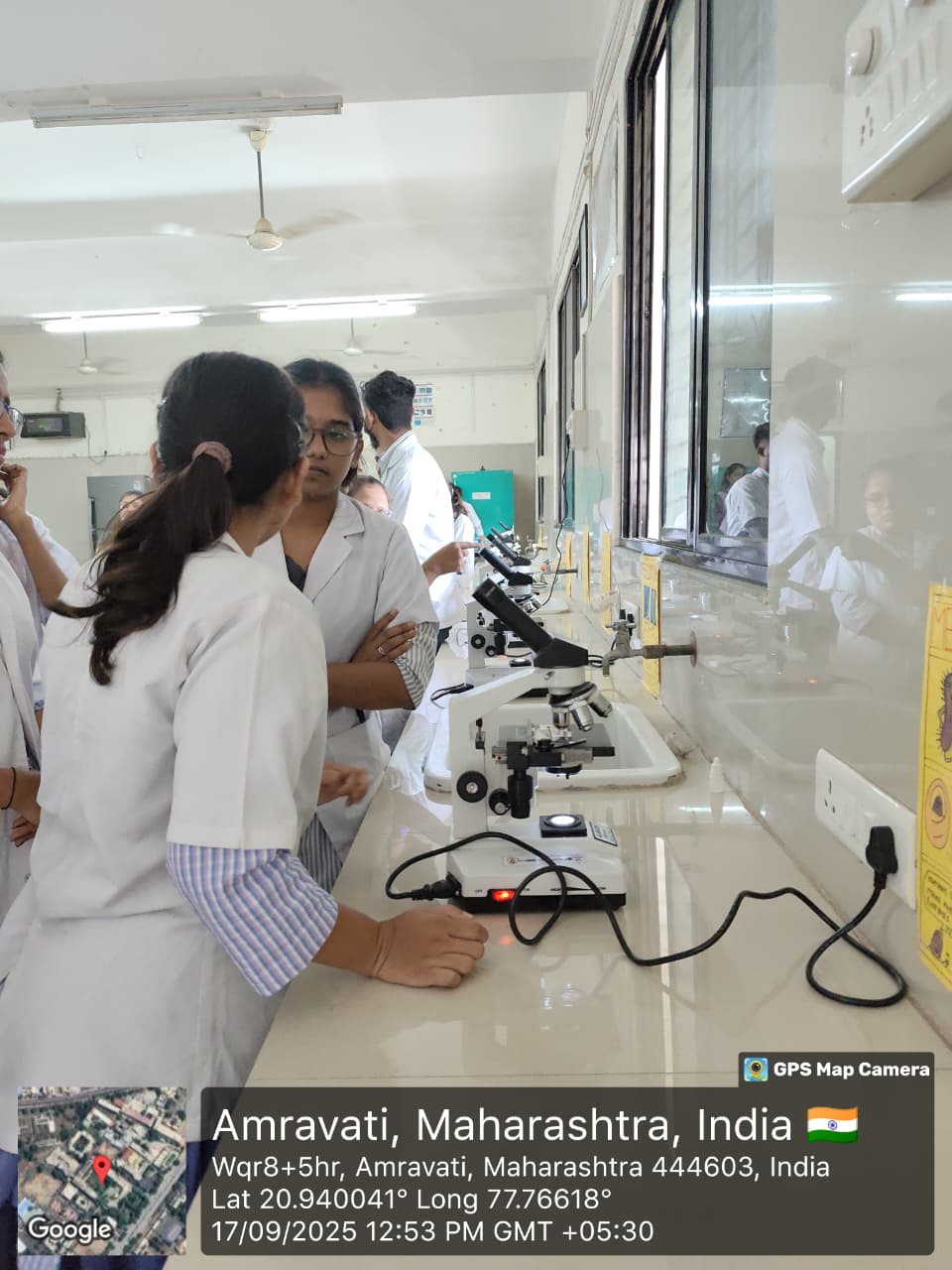 Into the lab into the Micro-World |
Attendance Sheet: