SHRI SHIVAJI SCIENCE COLLEGE, AMRAVATI
DBT STAR COLLEGE PROJECT ACTIVITY
ACTIVITY REPORT

Health Check-up Camp and Menstrual Hygiene Awareness Program
Activity Dates: 19.09.2025
Type of Activity: Outreach Activity
Organizing Department: Department of Microbiology
Program Coordinators: Prof. Suwarna S. Mankar
Head of the Department: Dr. R. C. Maggirwar
External Collaborator (if any): -
Objectives:
- 1. To promote Menstrual Hygiene Awareness
- 2. To Provide Health Check-ups for Students
- 3. To Empower Students with Health Education
- 4. To Encourage Community Involvement and Support
- 5. To enhance the social outreach profile of our department and institution by contributing to community health awareness.
No of Beneficieries: 20
Classes Involved: B.Sc-III Year Microbiology & Biotechnology students
Venue of the Activity: Zilla Parishad Madhyamik Shala, Pimpalvihir, Tq. Amravati
Activity Report:
Introduction
On 19th September 2025, a Health Check-up Camp and Menstrual Hygiene Awareness Program were conducted at Zilla Parishad Madhyamik Shala, Tq. Pimpalvihir, Amravati, under the Department of Biotechnology (DBT) Star College Project. The event aimed to address pressing health concerns among the adolescent students, with a specific focus on promoting menstrual hygiene awareness and providing basic medical check-ups. The initiative was undertaken in collaboration with health professionals, local authorities, and school management to ensure effective outreach and impact.
Objectives
The event aimed to achieve the following primary objectives:
1. To promote Menstrual Hygiene Awareness:
o Educate adolescent girls about menstrual hygiene management (MHM) to foster a healthy understanding of menstruation.
o Break social taboos and myths associated with menstruation in rural communities.
o Teach the importance of using clean sanitary products and the proper disposal of menstrual waste.
2. To Provide Health Check-ups for Students:
o Conduct free general health check-ups for students to identify common health issues such as nutritional deficiencies, skin problems, and other general concerns.
o Offer health assessments to improve awareness about the importance of regular health check-ups.
3. To Empower Students with Health Education:
o Enhance knowledge about hygiene, nutrition, and overall well-being.
o Provide informational resources on maintaining personal health, especially for girls as they transition into adolescence.
4. To Encourage Community Involvement and Support:
o Engage teachers, parents, and local healthcare professionals to build a community-based approach to health and hygiene education.
o Strengthen community support systems to ensure that menstrual hygiene and health issues are discussed openly.
Program Details
The program was divided into two main sessions: Health Check-up Camp and Menstrual Hygiene Awareness Program.
1. Health Check-up Camp
A team of experienced healthcare professionals, including general physicians, nutritionists, and local health workers, conducted the health check-up camp. The camp aimed at offering a thorough health screening to all the students present at the school. The check-ups covered:
• General Health Assessment:
o Students underwent basic medical examinations including height, weight, and BMI (Body Mass Index) measurements.
o Blood pressure monitoring was conducted for those who showed signs of concern.
o Skin and eye health checks were performed to detect any visible health issues.
• Nutritional Deficiency Screening:
o The health professionals assessed students for common deficiencies, particularly iron and vitamin D, which are prevalent in adolescent girls in rural areas.
o Recommendations for dietary improvements, such as increasing intake of fruits, vegetables, and iron-rich foods, were provided to students and their families.
• Mental and Emotional Health Screening:
o Given the growing concerns about mental health in school-going children, basic screenings for stress and anxiety were done. Students were provided with counseling resources if any mental health issues were identified.
2. Menstrual Hygiene Awareness Program
The menstrual hygiene awareness session was the highlight of the program, specifically aimed at educating adolescent girls about menstruation and menstrual hygiene. This session was facilitated by health experts, including gynecologists and local women’s health activists, who used a combination of discussions, demonstrations, and visual aids to make the information accessible and engaging.
• Menstruation Education:
o The session began with a basic explanation of the menstrual cycle, normal variations in menstruation, and the biological changes girls experience during adolescence.
o Emphasis was placed on the importance of understanding menstrual health to avoid confusion, fear, and misconceptions.
• Menstrual Hygiene Practices:
o The girls were educated about proper hygiene practices during menstruation, including the importance of changing sanitary pads regularly and maintaining cleanliness to prevent infections.
o The session provided practical demonstrations on how to use reusable cloth pads, sanitary napkins, and other menstrual hygiene products.
o Special attention was given to the disposal of sanitary napkins and the environmental impact of improper waste management.
• Addressing Taboos and Myths:
o A significant portion of the session focused on addressing common myths and cultural taboos associated with menstruation. These myths often lead to stigmatization and poor hygiene practices, and the program aimed to break these misconceptions and encourage open conversations.
o The importance of seeking help if menstrual issues arise, such as irregular periods or excessive pain, was stressed.
• Providing Sanitary Kits:
o To encourage hygienic practices, each girl was provided with a kit that included sanitary pads, menstrual cups, and informational brochures on menstruation and hygiene.
Outcomes
The health check-up camp and menstrual hygiene awareness program achieved several key outcomes:
1. Improved Health Awareness:
• Students became more aware of the importance of regular health check-ups and maintaining personal health. Many were surprised to learn about their nutritional deficiencies and received actionable advice to improve their health.
• The camp also served as a valuable resource for identifying potential health issues early on, which could prevent more serious conditions in the future.
2. Enhanced Menstrual Hygiene Practices:
• The menstrual hygiene awareness program led to a significant increase in knowledge regarding menstrual hygiene management among adolescent girls.
• Many girls expressed a greater comfort level in discussing menstruation and shared that they would now use sanitary pads or cloths more responsibly. They also committed to practicing better hygiene during their menstrual periods.
3. Breaking Taboos and Reducing Stigma:
• The program successfully helped in reducing the stigma surrounding menstruation. Girls were encouraged to speak openly about their experiences and concerns, and many reported feeling more confident about managing their menstrual health.
• The involvement of male students and teachers in the session helped foster a more supportive environment where menstruation was viewed as a natural biological process, not something to be hidden or ashamed of.
4. Community Engagement:
• Teachers, parents, and local community members were actively involved, contributing to a holistic approach to menstrual health education. This broader involvement ensured that the message of menstrual hygiene would be reinforced at home and in the community.
• The school management has expressed interest in making such programs a regular part of the school’s educational activities, particularly to ensure that the next batch of students also benefits from this education.
Conclusion
The Health Check-up Camp and Menstrual Hygiene Awareness Program at ZP Madhyamik Shala, Tq. Pimpalvihir, Amravati, was a resounding success, not only in terms of educating adolescent girls about the importance of menstrual hygiene but also in fostering a culture of health awareness. The program was an invaluable opportunity to provide essential health services, empower girls with knowledge, and engage the community in improving public health. The positive response from students, teachers, and parents reinforces the need for continued efforts to address these critical health issues in rural areas.
The DBT Star College Project has played a crucial role in facilitating these interventions, and it is expected that similar programs will be conducted in the future to further support the well-being of students in the region.
Outcomes:
- Improved Health Awareness
- Enhanced Menstrual Hygiene Practices
- Breaking Taboos and Reducing Stigma
- Community Engagement
- The school management has expressed interest in making such programs a regular part of the school’s educational activities
Photos:
 Building awareness one check-up at a time | 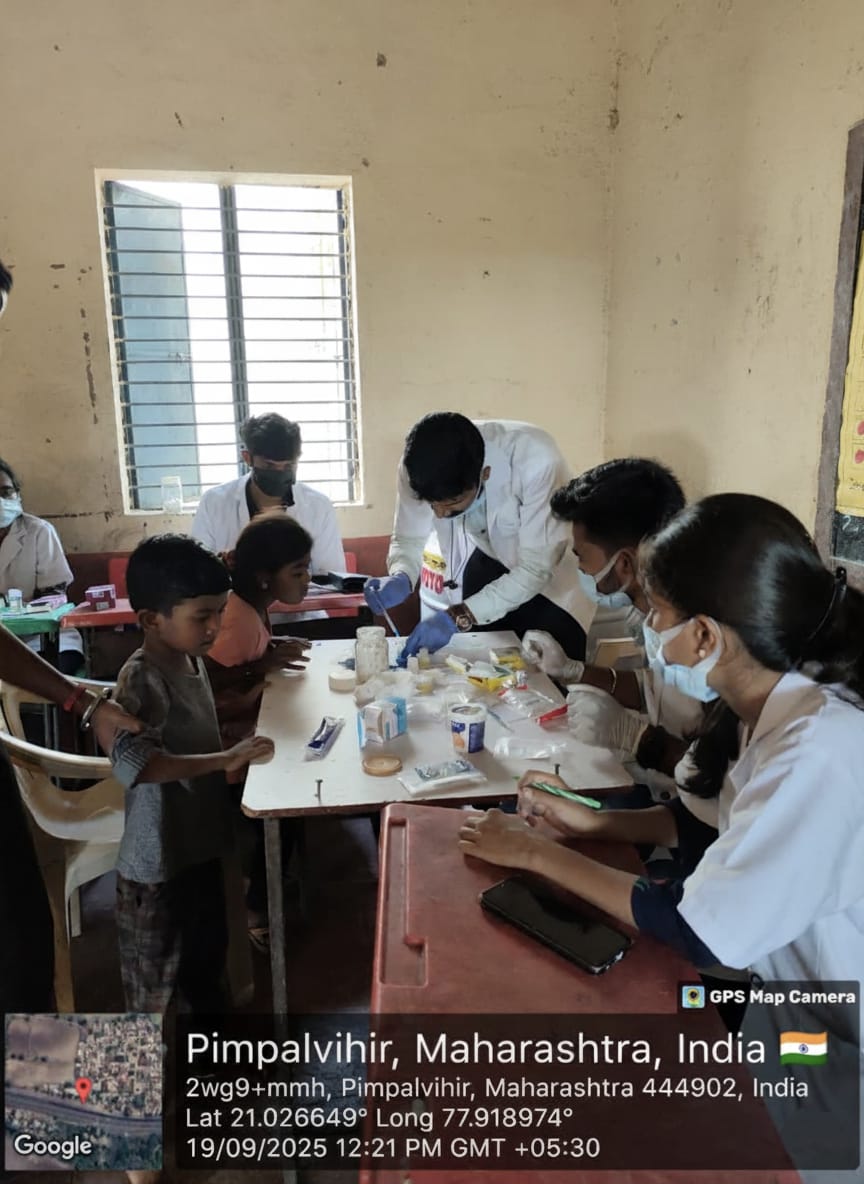 Quick check, big impact |
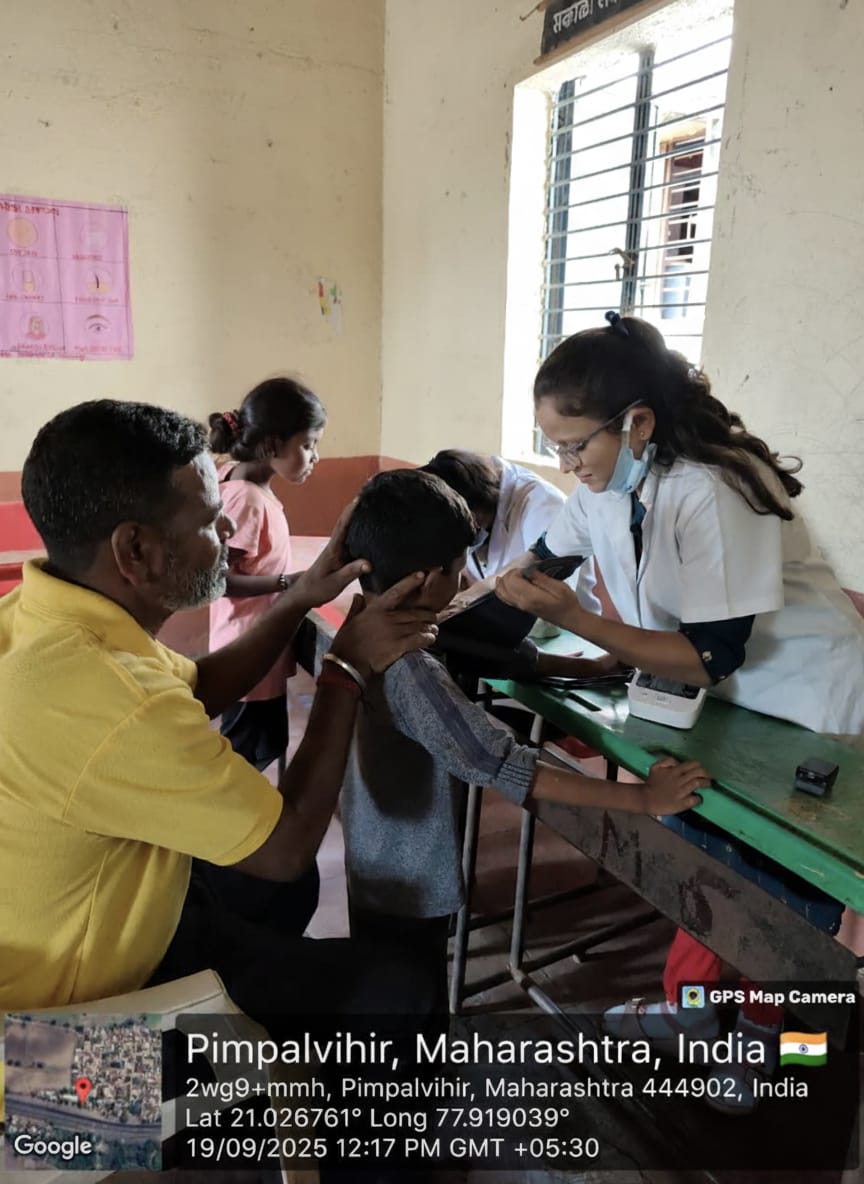 Serving with skill, empathy and commitment | 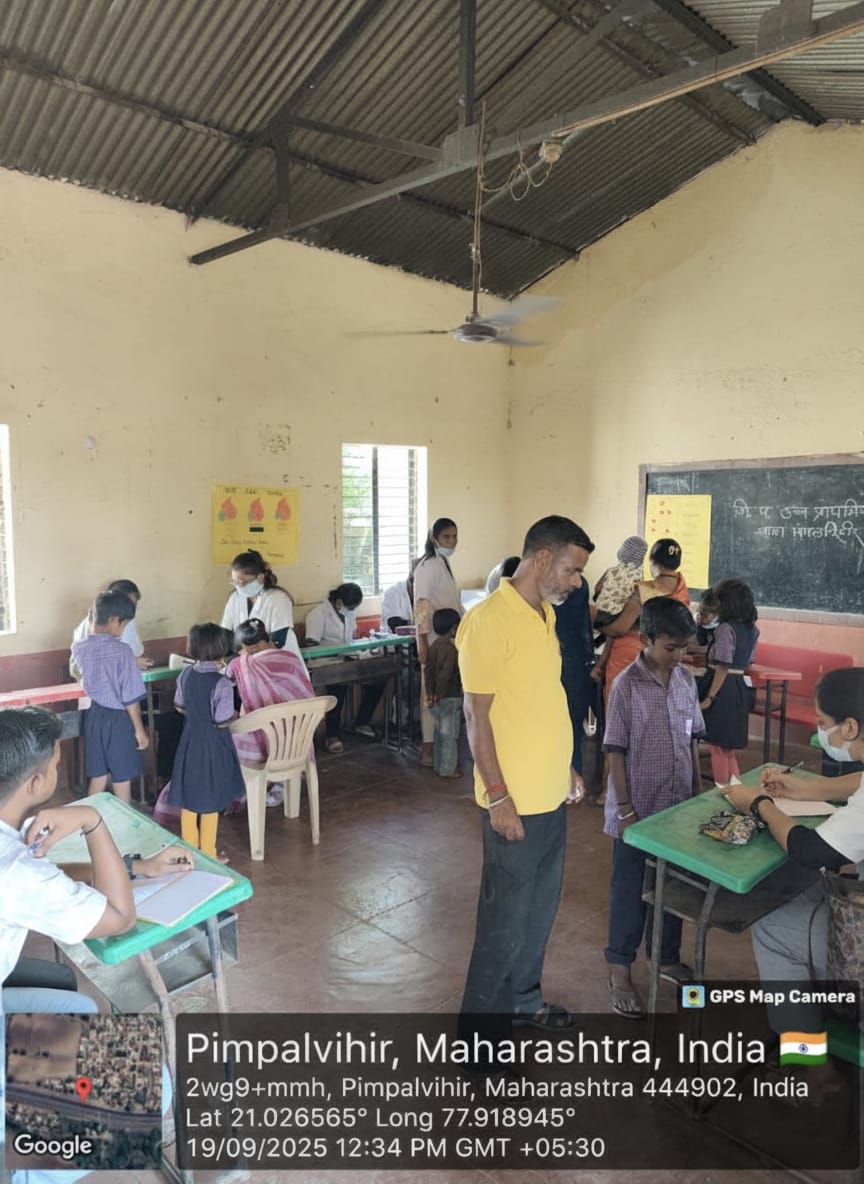 Health for all caring for the community |
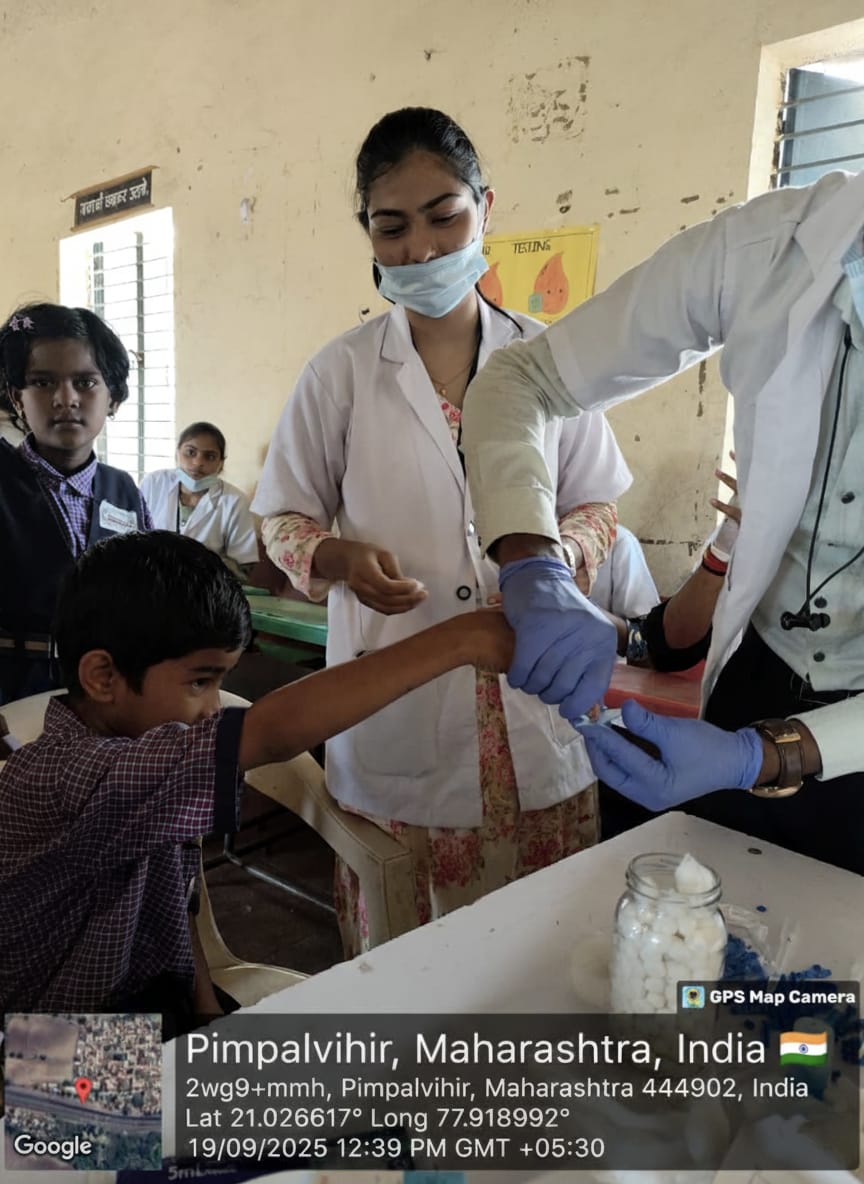 Together for healthier tomorrow | 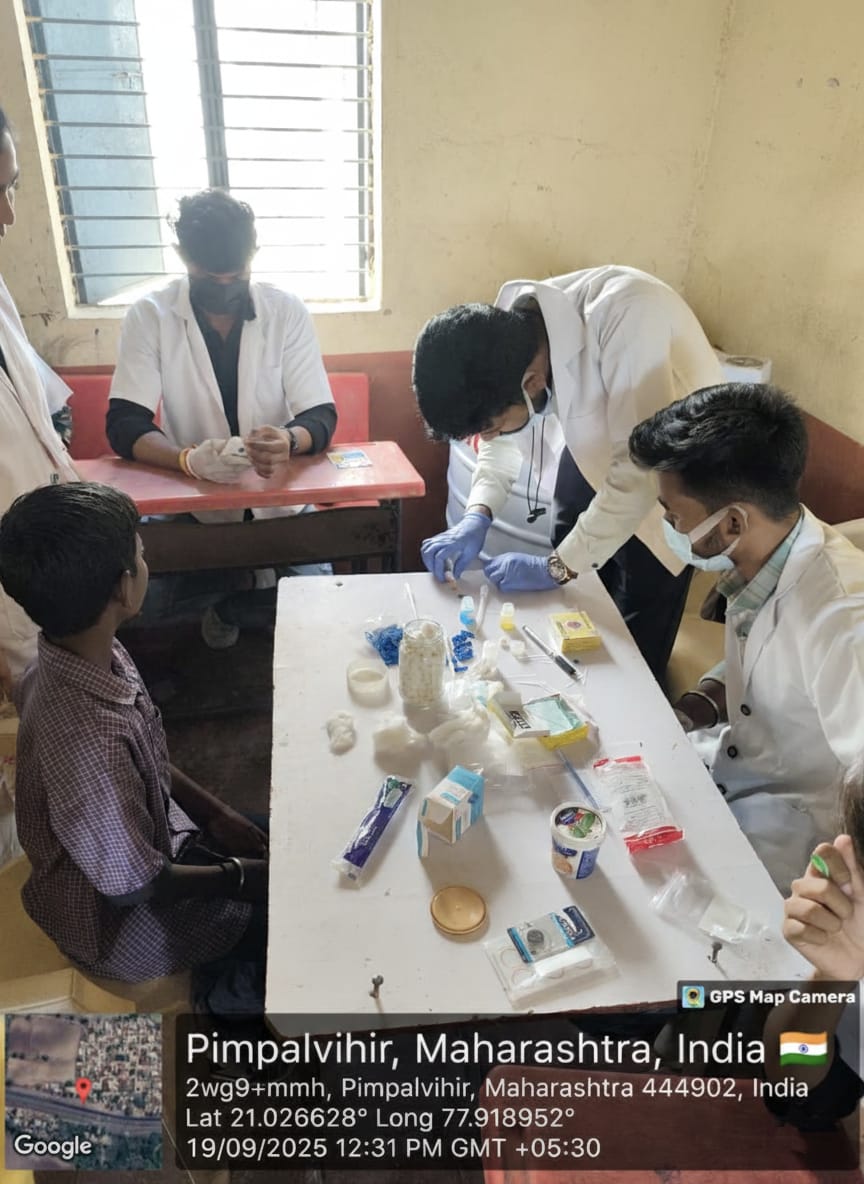 Compassion and care in every check-up |
Attendance Sheet: